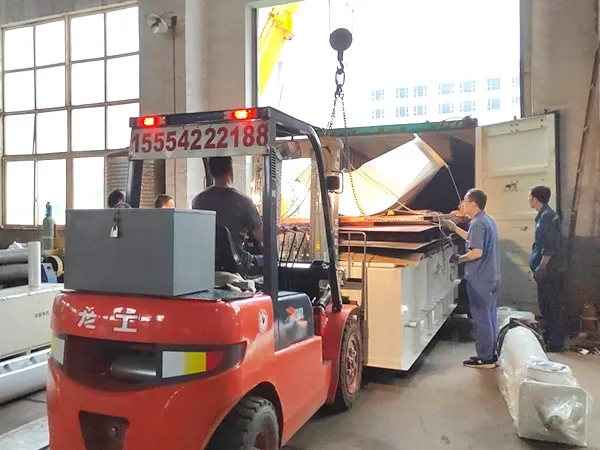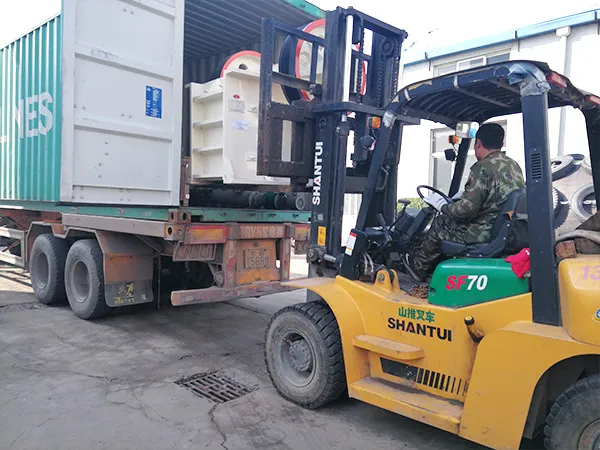
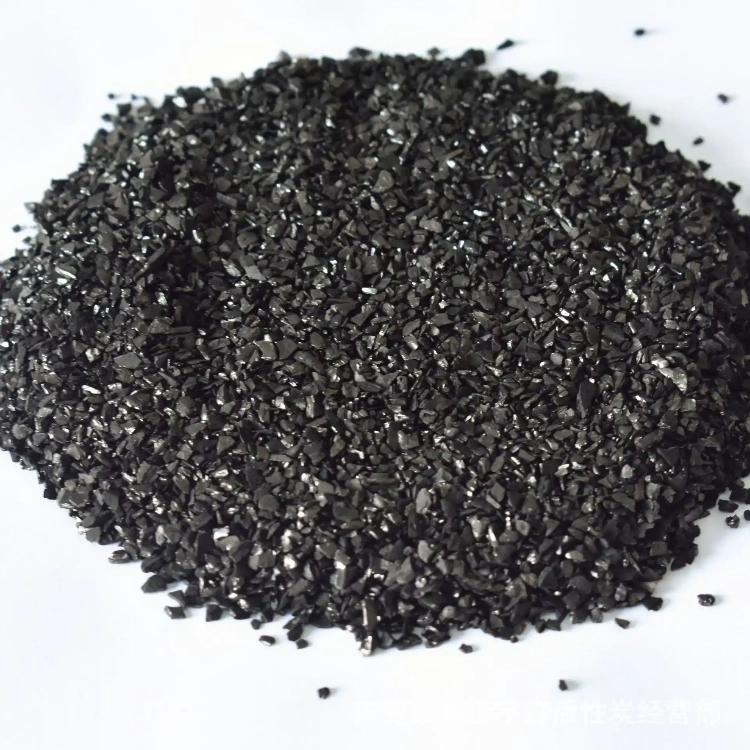
Kömür bazlı aktif karbon Yüksek yüzey alanı ve olağanüstü adsorpsiyon kapasitesi nedeniyle değer verilen çok yönlü bir malzemedir. Bitümlü veya alt bitümlü kömürden üretilen bu malzeme, havada, suda ve çok çeşitli endüstriyel süreçlerdeki safsızlıkları yakalamada son derece etkili kılan karmaşık bir mikrogözenekli yapıya sahiptir. Kömür bazlı üretim sırasında aktif karbon öğütmeBu gözenek açısından zengin yapıyı anlamak çok önemlidir, çünkü malzeme karmaşık mikro ve mezogözenek ağını oluşturmak için fiziksel veya kimyasal aktivasyona uğrar. Bu temel, hassas parçacık boyutu küçültmeyi mümkün kılar ve gelişmiş filtrasyon ve arıtma uygulamalarında performansı artırır.
Başlıca özellikleri şunlardır:
- Etkin gaz ve sıvı filtrasyonu için yüksek mikrogözeneklilik
- Taşıma sırasında dayanıklılık için istikrarlı mekanik mukavemet.
- Tekdüze parçacık boyutu, daha ileri işlemler için uygundur.
Gelişmiş öğütme işlemlerine geçmeden önce, bu temel özellikleri anlamak şarttır. Ultra ince öğütmenin amacı açıktır: parçacık boyutunu ve yüzey özelliklerini kontrol ederek adsorpsiyon performansını iyileştirmek. Bu temeller, üreticilere kömür bazlı aktif karbonun verimini ve fonksiyonel performansını optimize etmede yol gösterir.
Bilimsel Temeller Ultra ince öğütmeParçacık Boyutu Performansı Belirler
Kömür bazlı aktif karbon için, özellikle adsorpsiyon kapasitesi ve reaksiyon aktivitesinde, parçacık boyutu performansında kritik bir rol oynar. Ultra ince öğütme, karbon parçacık boyutunu yaklaşık 20 μm veya daha küçük bir hedef D50 değerine düşürür; bu da erişilebilir yüzey alanını önemli ölçüde artırır ve daha fazla mikrogözenekli karbon yapısını ortaya çıkarır. Bu iyileştirme, gaz arıtma ve su arıtma gibi uygulamalar için çok önemli olan adsorpsiyon verimliliğini artırır.
Tutarlı ultra ince toz sınıflandırması elde etmek, tekdüze bir parçacık boyutu dağılımı sağlar. Bu, ürün kalitesini, yoğunluğunu ve yüzey etkileşimlerini doğrudan etkileyerek malzemenin zorlu endüstriyel koşullar altında bile etkili bir şekilde performans göstermesine olanak tanır.
Çeşitli PSD (Parçacık Boyutu Dağılımı) analiz teknikleri, öğütme işlemini doğrular ve D50 = 20 μm gibi özelliklerin doğru bir şekilde karşılanmasını sağlar. Bu kontrol seviyesi, ultra ince öğütmenin aktif kömürü gelişmiş endüstriyel uygulamalar için uygun yüksek performanslı aktif karbona dönüştürebilmesinin nedenini açıklamaktadır.
Hava Sınıflandırma Değirmeninin (ACM) Rolü
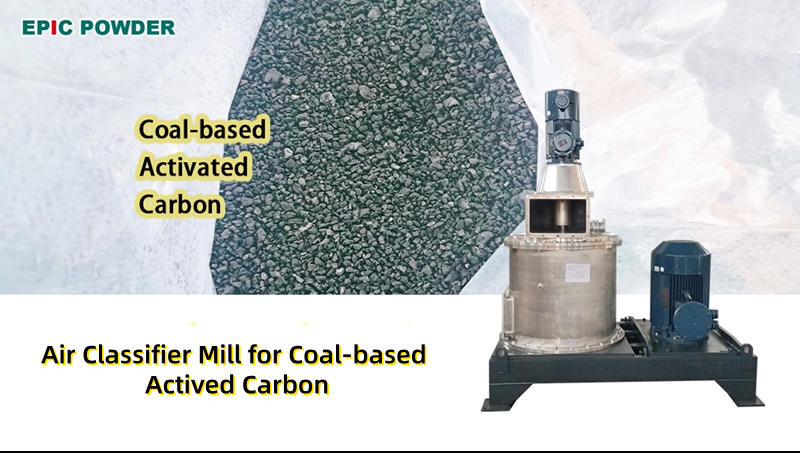
Hava Sınıflandırma Değirmeni (ACM), öğütme ve sınıflandırmayı tek bir kapalı devre ünitesinde birleştiren mekanik bir darbeli öğütme sistemidir. Darbe enerjisinin ve parçacık ayrımının hassas kontrolü sayesinde aktif karbonun öğütülmesindeki zorlukların üstesinden gelir.
Entegre Öğütme ve Sınıflandırma
ACM'nin en belirleyici özelliği, öğütme haznesinin hemen üzerinde bulunan dinamik hava sınıflandırıcı çarkıdır.
Bileme:
Besleme malzemesi öğütme haznesine girer ve burada yüksek hızlı pimler veya çekiçler, parçacık boyutunu küçültmek için darbe enerjisi uygular.
Hava akışı:
İç hava akımı, parçacıkları yukarı doğru, sınıflandırma çarkına doğru taşır.
Sınıflandırma:
- İri parçacıklar:
Ayarlanan kesme noktasından daha büyük parçacıklar (örneğin, > 20 μm), dönen tekerlekten gelen merkezkaç kuvvetiyle dışarı atılır. Daha fazla öğütme için geri düşerler. - İnce parçacıklar:
Gerekli inceliğe (örneğin, ≤ 20 μm) sahip parçacıklar sınıflandırıcı çarktan geçer ve toplama için taşınır.
Hedef D50 ≤ 20 μm'ye Ulaşmak
20 μm'lik bir D50 değerine doğru bir şekilde ulaşmak için, ACM operatörlerinin iki temel parametreyi hassas bir şekilde ayarlaması gerekir:
| Parametre | Daha İnce Toz İçin Ayarlama | D50 üzerindeki etkisi |
|---|---|---|
| Sınıflandırıcı tekerlek hızı | Devir sayısını artırın | Santrifüj kuvvetini artırır, daha fazla parçacığı uzaklaştırır, bu da daha ince ortalama parçacık boyutu ve daha dar parçacık boyutu dağılımı ile sonuçlanır. 20 μm'ye ulaşmak için kritik öneme sahiptir. |
| Taşlama rotor hızı | Doğrusal hızı artırın | Darbe enerjisini artırır ve boyut küçülmesini hızlandırır. Aşırı ısınmayı önlemek için dengelenmelidir. |
| Hava akış hızı | Hafifçe azalma | Sürtünme kuvvetini azaltarak, sınıflandırıcının biraz daha büyük parçacıkları daha fazla öğütme için reddetmesine olanak tanır. |
Kömür Bazlı Aktif Karbon Üretiminde ACM Kullanımının Başlıca Avantajları
| Avantaj | Aktif Karbonun Faydaları |
|---|---|
| Hassas parçacık boyutu kontrolü | Sürekli olarak D50 = 20 μm değerine ulaşarak kullanılabilir yüzey alanını en üst düzeye çıkarır. |
| Dar PSD | Sürekli devridaim, büyük boyutlu parçacıkların sayısını en aza indirir ve homojen bir performans sağlar. |
| Düşük kirlilik | Seramik veya alaşımlı astarlar ve sınıflandırma tekerlekleri aşınmayı azaltır ve metal kirlenmesini önler. |
| Yüksek enerji verimliliği | Öğütme ve sınıflandırmanın tek bir ünitede yapılması, toplam enerji tüketimini azaltır. |
| Sıcaklık kontrolü | Sürekli hava akışı ısıyı uzaklaştırarak gözenekli yapının termal hasar görmesini önler. |
Endüstriyel Özelleştirme
20 μm aktif karbonun endüstriyel ölçekte üretimi için, ACM sistemleri özelleştirilmelidir:
- Astar malzemeleri:
Karbonun aşındırıcı yapısıyla başa çıkmak ve ürün saflığını korumak için aşınmaya dayanıklı çelik veya seramik astarlar önerilir. - Sistem entegrasyonu:
ACM, istikrarlı yükleme için hassas besleme sistemleriyle ve ince tozları toplamak için verimli toz toplayıcılarla (örneğin darbeli jet torba filtreleri) birlikte kullanılmalıdır. - İsteğe bağlı inert gaz sistemi:
Kömür bazlı aktif karbon nispeten kararlı olsa da, ultra ince tozların işlenmesi sırasında toz patlaması riskini azaltmak için isteğe bağlı inert gazla arındırma işlemi faydalıdır.
Çözüm
Kömür bazlı aktif karbonun 20 μm'lik hassas bir D50 değerine kadar öğütülmesi, kullanıldığında son derece verimli ve güvenilirdir. Hava Sınıflandırıcı Değirmeni (ACM) ACM teknolojisinin temel avantajı, operatörlerin kesme noktasını doğru bir şekilde ayarlamasına ve dar, tutarlı bir parçacık dağılımı elde etmesine olanak tanıyan dinamik sınıflandırıcı tekerleğinde yatmaktadır.
Pil malzemeleri ve ultra ince toz işleme konusunda uzmanlaşmış bir şirket olan Epic Powder, aktif karbonun saflık ve parçacık boyutu kontrolü için sahip olduğu katı gereksinimleri anlamaktadır. Epic Powder'ın MJW serisi gibi ACM çözümleri, optimize edilmiş sınıflandırıcı dinamikleri sayesinde hassas incelik elde eder. Ayrıca, kirlenmeyi ortadan kaldıran ve aktif karbon öğütmesinde tipik olan aşınma zorluklarının üstesinden gelen aşınmaya dayanıklı çelik veya seramik astarlar içerirler.
Epic Powder'ın ACM teknolojisini seçmek, ürününüzün en yüksek saflık, tutarlılık ve performans standartlarını karşılamasını sağlamanın ideal yoludur.

“Okuduğunuz için teşekkürler. Umarım makalem yardımcı olmuştur. Lütfen aşağıya yorum bırakın. Ayrıca daha fazla sorunuz için Zelda çevrimiçi müşteri temsilcisiyle iletişime geçebilirsiniz.”
— Gönderen Emily Chen