در فرآوری پودر صنعتی، توزیع اندازه ذرات (PSD) یکی از مهمترین شاخصهای کیفیت محصول است. کنترل دقیق PSD برای آسیاب کردن بسیار ریز مواد کاتد و آند باتری لیتیومی و همچنین مواد معدنی غیرفلزی ضروری است. این امر در غنیسازی خشک پروتئینهای گیاهی و کاربردهای فرآوری مواد غذایی نیز به همان اندازه اهمیت دارد. توزیع باریک و یکنواخت اندازه ذرات میتواند عملکرد، ثبات و ارزش محصول نهایی را به میزان قابل توجهی افزایش دهد. در میان انواع مختلف تجهیزات آسیاب کردن بسیار ریز، آسیاب ACM (آسیاب طبقه بندی هوا ) و آسیاب سوزنی دو مدل اصلی هستند که اغلب ذکر و مقایسه میشوند. بنابراین، کدام یک از این آسیابها از نظر کنترل توزیع اندازه ذرات برتر است؟
اصول کار: خردایش و کنترل مواد چگونه انجام میشود؟
برای درک تفاوتهای بین این دو از نظر کنترل اندازه ذرات، ابتدا باید تفاوتهای اساسی آنها در مکانیسمهای خردایش و غربالگری مواد را تجزیه و تحلیل کنیم.
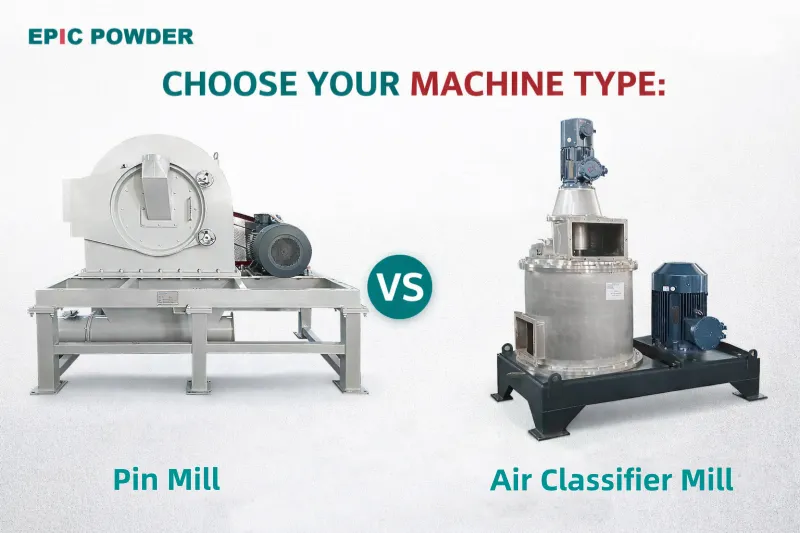
آسیاب ACM
یک آسیاب طبقه بندی هوا (مانند سری MJW) یک دستگاه خردایش بسیار کارآمد است که خردایش ضربهای مکانیکی را با طبقهبندی هوای گریز از مرکز داخلی ادغام میکند.
- مکانیسم سنگ زنی: این ماده از طریق ضربه شدید، برش و برخورد بین چکشها یا تیغههای چرخان پرسرعت و حلقه دندانهدار، آسیاب میشود.
- مکانیسم کنترل: دمنده، مواد خرد شده را به داخل چرخ طبقهبندی هوای تعبیه شده در بالای آسیاب میکشد. سپس جریان هوا، پودر ریزِ دارای کیفیت را از طریق چرخ طبقهبندی حمل کرده و به سیستم جمعآوری منتقل میکند. در همین حال، چرخ طبقهبندی، ذرات درشتِ فاقد کیفیت را رد کرده و آنها را برای آسیاب بیشتر به منطقه خردایش برمیگرداند.
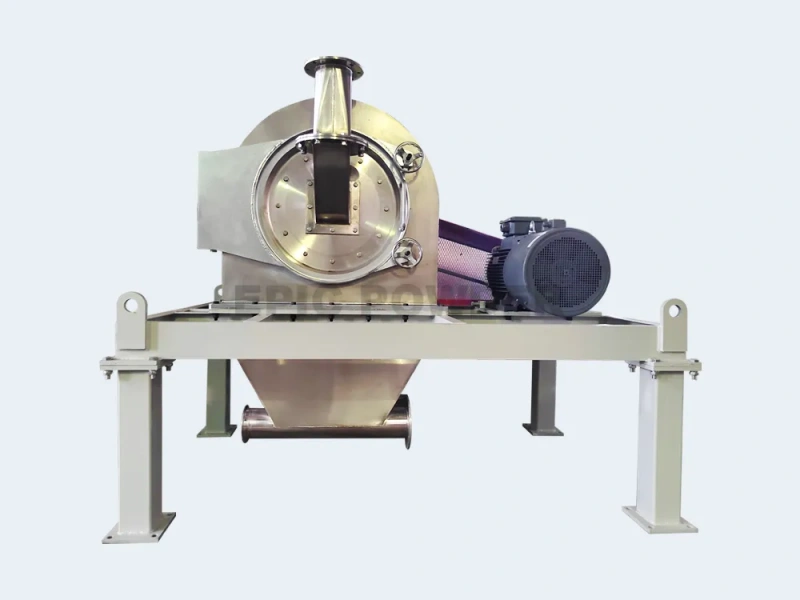
آسیاب پین
آسیاب پینی یک آسیاب مکانیکی است که صرفاً بر حرکت نسبی پرسرعت برای دستیابی به خردایش ضربهای متکی است.
- مکانیسم سنگ زنی: این دستگاه معمولاً از دو دیسک پین با چرخش مخالف (یکی ثابت و دیگری چرخان، یا هر دو چرخان) تشکیل شده است. سطح هر دیسک دارای چندین حلقه از پینهای فولادی است که به صورت درهم تنیده چیده شدهاند. مواد به مرکز تغذیه میشوند و تحت عمل نیروی گریز از مرکز به سمت حاشیه حرکت میکنند. مواد تحت تأثیر ضربه و برش شدید و فرکانس بالا بین پینهای فولادی درهم تنیده با سرعت بالا قرار میگیرند.
- مکانیسم کنترل: آسیاب پینی سیستم طبقهبندی دینامیکی داخلی ندارد. اندازه نهایی ذرات در درجه اول به سرعت چرخش دیسکها، چگالی پینها، نرخ تغذیه و شکنندگی ذاتی ماده بستگی دارد. معمولاً یک صفحه در اطراف دریچه تخلیه نصب میشود تا ذرات درشت را جدا کند، اما این یک روش جدایش غیرفعال است.
.webp)
مقایسه عمیق کنترل توزیع اندازه ذرات (PSD)
آسیاب طبقهبندی کننده هوا (ACM) از نظر کنترل توزیع اندازه ذرات از مزیت آشکاری برخوردار است. میتوانیم دلایل این امر را از جنبههای کلیدی زیر تجزیه و تحلیل کنیم:
کنترل سنگ زنی بیش از حد
- آسیاب ACM: به لطف چرخ طبقهبندی هوای داخلی، مواد بلافاصله پس از رسیدن به نرمی هدف، توسط جریان هوا جابجا میشوند. این امر از "آسیاب بیش از حد" جلوگیری میکند. در نتیجه، منحنی توزیع اندازه ذرات آن بسیار باریک و متمرکز است، به طوری که ذرات بزرگ (D97 یا D100) کاملاً بریده شده و نسبت کمی از پودر فوق ریز وجود دارد.
- آسیاب پین: مدت زمانی که مواد از طریق آرایه پین به سمت بیرون حرکت میکنند، نسبتاً ثابت است. حتی اگر مقداری از مواد به نرمی مورد نظر رسیده باشند، ممکن است قبل از تخلیه از آسیاب، همچنان تحت فشار قرار گیرند. این امر منجر به مقدار قابل توجهی ذرات فوق ریز ثانویه (آسیاب بیش از حد) میشود. در نتیجه، دنباله منحنی توزیع اندازه ذرات کشیده میشود (افزایش محتوای فوق ریز).
انعطافپذیری و دقت تنظیم
- آسیاب ACM: تنظیم اندازه ذرات بسیار راحت است. کاربران نیازی به خاموش کردن دستگاه ندارند. آنها میتوانند با تنظیم سرعت چرخ طبقهبندی کننده و جریان هوای سیستم از طریق یک درایو فرکانس متغیر، اندازه ذرات هدف را به طور دقیق تنظیم کنند. (به عنوان مثال، کنترل دقیق D50 تا چند میکرومتر.)
- آسیاب پین: برای تغییر اندازه ذرات خروجی، معمولاً لازم است سرعت چرخش کل دیسک پین تنظیم شود. در صورت نیاز به تنظیمات قابل توجه، حتی ممکن است لازم باشد دستگاه را خاموش کنید تا دیسک پین با دیسکی با تراکم یا چیدمان پین متفاوت تعویض شود. به طور جایگزین، ممکن است لازم باشد صفحه جانبی با اندازه مش متفاوت تعویض شود. خطی بودن و دقت تنظیم بسیار پایینتر از ACM است.
تأثیر افزایش دما بر اندازه ذرات
- آسیاب ACM: جریان هوای پرحجمی از محفظه آسیاب عبور میکند و بخش عمدهای از گرمای تولید شده در حین آسیاب را از بین میبرد. عملیات در دمای پایین نه تنها خواص ماده، مانند پایداری شیمیایی و فیزیکی را حفظ میکند.
همچنین از نوسانات اندازه ذرات جلوگیری میکند. این نوسانات میتوانند زمانی رخ دهند که ماده در اثر گرما نرم شود یا به دیوارههای محفظه بچسبد. - آسیاب پین: به دلیل طراحی فشرده و عدم وجود جریان هوای پرحجم برای اتلاف گرما، اصطکاک و ضربه با سرعت بالا گرمای قابل توجهی تولید میکند. برای مواد حساس به گرما، مانند رزینهای ترموپلاستیک، شکر و مواد پرچرب، این افزایش دما میتواند به راحتی منجر به کلوخه شدن یا ذوب شدن شود. چنین تغییراتی به شدت بر پایداری توزیع اندازه ذرات تأثیر میگذارد.
سناریوهای درخواست و راهنمای انتخاب
اگرچه آسیابهای طبقهبندی هوا کنترل بهتری بر توزیع اندازه ذرات ارائه میدهند، اما این بدان معنا نیست که آسیابهای سوزنی جایی در صنعت ندارند. در تولید واقعی، انتخاب تجهیزات به خواص مواد و مشخصات فنی محصول نهایی بستگی دارد:
| ابعاد | آسیاب طبقه بندی هوا (ACM) | آسیاب پین |
| توزیع اندازه ذرات (PSD) | برش بسیار باریک، کنترل دقیق، تیز و در اندازه بزرگ | نسبتاً پهن، مستعد تولید ذرات بسیار ریز |
| محدوده عیار | تا D97 = 5 ~ 15μm (محدوده فوق ریز) | معمولاً D97 = 45 ~ 150μm (محدوده ریز-متوسط) |
| کاربردهای معمول | مواد کاتد/آند باتری لیتیومی، مواد معدنی غیرفلزی مرغوب (کوارتز، GCC)، پروتئینهای گیاهی (پروتئین سویا/نخود فرنگی خشک)، مواد اولیه شیمیایی | محصولات غذایی با چربی متوسط (کاکائو، واسطههای شیمیایی)، داروسازی، آسیاب درشت/متوسط مواد روغنی یا فیبری |
| پیچیدگی سیستم | بالا (نیاز به تنظیم کلاسیفایر، فیلتر کیسهای جت پالس، فن) | کم حجم (ساختار ساده، فضای کم، نگهداری آسان) |
| مصرف انرژی | مصرف انرژی ویژه بالاتر در هر تن، اما ارائه محصولات با ارزش بالا | مصرف انرژی کمتر به ازای هر واحد خروجی |
نتیجه
کدام آسیاب کنترل بهتری بر توزیع اندازه ذرات ارائه میدهد؟
پاسخ بدون شک این است که آسیاب طبقه بندی هوا.
مکانیزم کنترل دینامیکی حلقه بسته آن، که آسیاب کردن و طبقهبندی را با هم ترکیب میکند، به طور مؤثر از آسیاب کردن بیش از حد جلوگیری میکند. این دستگاه ذرات بزرگ را از محصول حذف میکند و امکان تنظیم دقیق آنلاین پارامترهای اندازه ذرات را در طول تولید فراهم میکند. اگر محصول شما (مانند مواد جدید برای باتریهای لیتیومی یا پودرهای معدنی فوق ریز) الزامات بسیار دقیقی برای مشخصات D50 و D97 دارد، آسیاب طبقهبندی کننده هوا انتخاب فرآیند ایدهآلی است.
از سوی دیگر، آسیاب سوزنی برای کاربردهایی که الزامات توزیع اندازه ذرات کمتر سختگیرانه است و خود ماده شکننده است، مناسبتر است. همچنین برای سناریوهای سنگزنی مرسوم که نیاز به مقرونبهصرفه بودن و توان عملیاتی بالا دارند، مناسب است.

«ممنون از مطالعه. امیدوارم مقاله من مفید باشد. لطفاً نظر خود را در زیر بنویسید. همچنین میتوانید برای هرگونه سوال بیشتر با نماینده مشتریان آنلاین Zelda تماس بگیرید.»
— ارسال شده توسط امیلی چن