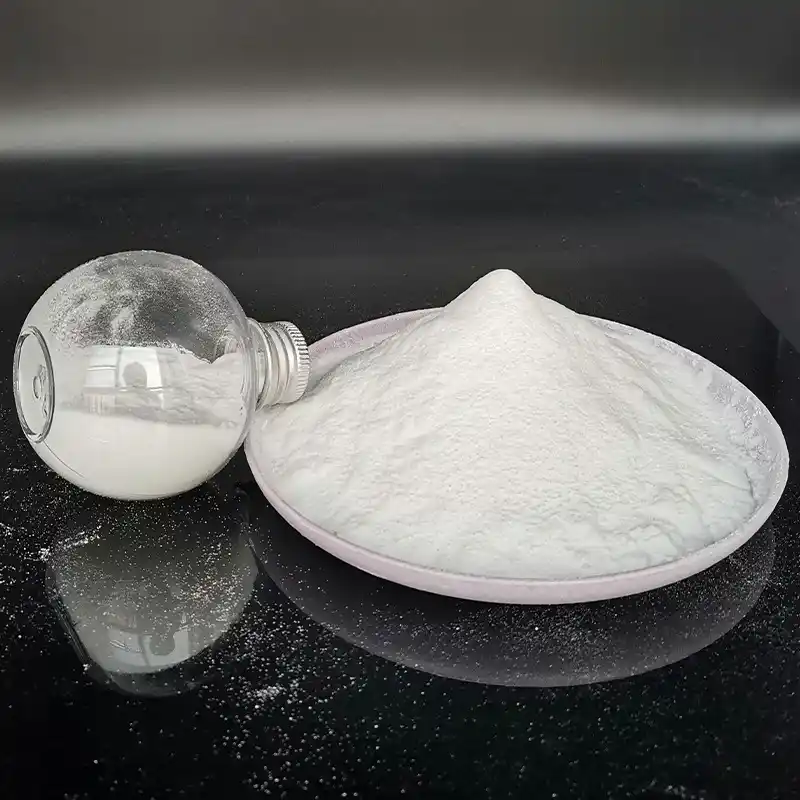
پودر موم (موم میکرونیزه) به عنوان یک افزودنی کاربردی ضروری در صنعت مدرن عمل میکند و به طور گسترده در پوششها، جوهرها، مستربچهای پلاستیکی، لاستیک، لوازم آرایشی، چسبهای حرارتی، مواد کمکی نساجی، پوششهای پودری و موارد دیگر مورد استفاده قرار میگیرد. ارزش اصلی آن در بهبود خواص سطحی (مقاومت در برابر سایش، مقاومت در برابر خراش، مات شدن، لغزش، ضد انسداد)، کنترل رئولوژی، بهبود رهایش از قالب و ایجاد بافتهای ویژه (مانند جلوههای شن مانند) نهفته است.
از آنجایی که صنایع پاییندستی به طور فزایندهای به ظرافت بالاتر، توزیع اندازه ذرات باریک، فعالیت سطحی و پراکندگی نیاز دارند، این روند از پودرهای درشت سنتی دهها میکرون به پودرهای موم فوق ریز در سطح میکرون / زیر میکرون با قطر D50 3-10 میکرومتر یا حتی D97 < 5 میکرومتر تغییر یافته است. تجهیزات کلیدی که این تحول را ممکن میسازد، آسیاب طبقهبندی کننده هوا (همچنین به عنوان آسیاب طبقهبندی کننده ضربهای، آسیاب طبقهبندی کننده هوا یا آسیاب یکپارچه سنگزنی-طبقهبندی شناخته میشود) است - که یک مسیر پردازش فوق ریز یک مرحلهای کارآمد، مداوم و قابل کنترل را فراهم میکند.
چرا پودر موم لازم است سنگ زنی فوق العاده ریزنقاط درد بازار چیست؟
پودر موم معمولی (معمولاً 20 تا 100 میکرومتر) به دلیل تنگناهای زیر، برای برآورده کردن نیازهای کاربردی سطح بالا با مشکل مواجه است:
- ذرات بزرگ → پراکندگی ضعیف، تهنشینی آسان، اثرات سطحی ناهموار
- توزیع گسترده اندازه ذرات → پایداری ناپیوسته، عملکرد متغیر در مات شدن/لغزش
- حساسیت حرارتی بالا (نقطه ذوب موم PE، موم PP، موم فیشر-تروپش معمولاً ۸۰ تا ۱۴۰ درجه سانتیگراد است) → آسیابهای مکانیکی سنتی گرمای قابل توجهی تولید میکنند که منجر به تجمع، اکسیداسیون و زرد شدن میشود.
- کاربردهای سطح بالا (مثلاً پوششهای خودرو، لوازم آرایشی، گریدهای در تماس با مواد غذایی) → الزامات سختگیرانه برای خلوص، شکل ذرات، انرژی سطحی و کنترل میکروبی
آسیاب طبقهبندی کننده هوا مستقیماً به این نقاط درد میپردازد و یک راهحل کامل از ذرات خام درشت تا پودر نهایی در سطح میکرون ارائه میدهد.
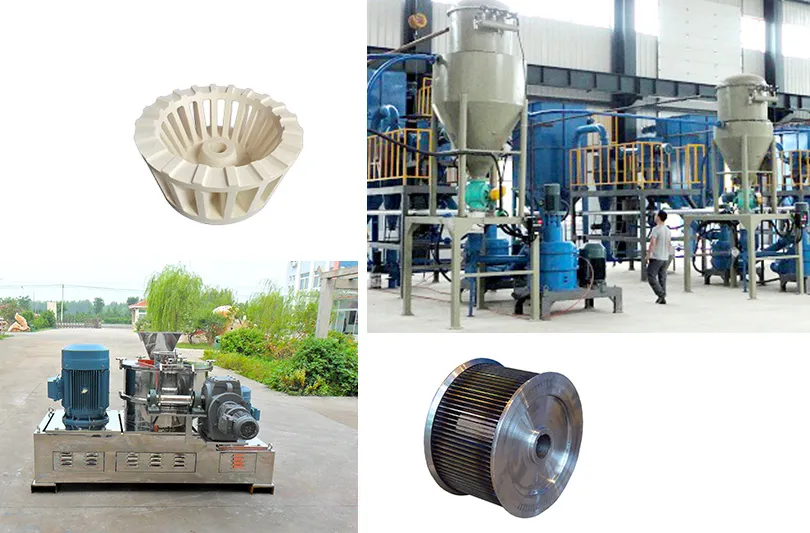
اصل کار اصلی و جریان فرآیند آسیاب طبقه بندی هوا
آسیاب طبقهبندی کننده هوا دارای طراحی یکپارچه "سنگزنی + طبقهبندی پویا" است:
- تغذیه → ذرات درشت موم (معمولاً صدها میکرون تا چندین میلیمتر) از طریق مارپیچ یا انتقال پنوماتیکی به داخل محفظه آسیاب وارد میشوند.
- سنگ زنی ضربه ای با سرعت بالا → ماده به شدت تحت تأثیر قرار میگیرد، توسط چکشها/تیغهها/بلوکهای ضربهزن با سرعت بالا برش داده میشود و برای کاهش اندازه اولیه با دندانههای استاتور برخورد میکند.
- طبقهبندی پویای همزمان → پودر آسیاب شده با جریان هوا به داخل ناحیه طبقهبندی کننده توربین داخلی بالا میرود؛ ذرات ریز واجد شرایط توسط جریان هوا حمل میشوند، در حالی که ذرات درشت توسط چرخ طبقهبندی کننده رد شده و برای پردازش بیشتر به ناحیه آسیاب بازگردانده میشوند و یک ... تشکیل میدهند. حلقه گردش داخلی.
- مجموعه محصولات → پودر ریز از طریق جداکننده سیکلون + فیلتر کیسهای جمعآوری میشود؛ کل سیستم تحت فشار منفی کار میکند و عملاً هیچ خروجی غباری وجود ندارد.
این فرآیند، خردایش و طبقهبندی را به طور همزمان ادغام میکند و به طور قابل توجهی کارایی را بهبود میبخشد و از پیچیدگی و اتلاف انرژی در تنظیمات چند دستگاهی سنتی «اول خرد کن، بعد طبقهبندی کن» جلوگیری میکند.
مشخصات فنی معمول برای آسیاب طبقه بندی کننده هوا برای پردازش پودر موم (مقادیر مرجع صنعت)
| نوع موم | ظرافت هدف (D50 / D97) | مثال مدل تجهیزات معمولی | ظرفیت دستگاه تکی (کیلوگرم در ساعت) | کنترل دما | مزایای کلیدی نشان داده شده |
|---|---|---|---|---|---|
| موم PE | ۸–۱۵ میکرومتر / ۲۵–۴۰ میکرومتر | ACM-30 ~ ACM-60 | ۲۰۰–۱۵۰۰ | <50 درجه سانتیگراد | مقرون به صرفه بودن بالا، توان عملیاتی بالا |
| موم PP، موم FT | ۵–۱۰ میکرومتر / ۱۵–۳۰ میکرومتر | جت میل + طبقه بندی کننده مخالف یا ACM پریمیوم | ۱۰۰–۸۰۰ | دمای نزدیک به دمای اتاق | شکل ذرات گرد، توزیع باریک |
| واکس ممتاز در سطح میکرون | ۳–۸ میکرومتر / ۱۰–۲۰ میکرومتر | آسیاب طبقهبندی ارتقا یافته یا سیستم هوای ترکیبی | ۵۰–۵۰۰ | دمای پایین قابل کنترل | برای پوششهای خودرو با درجه آرایشی ترجیح داده میشود |
| پودر موم زیر میکرون | D50 < 5 میکرومتر / D97 < 10 میکرومتر | نیاز به پشتیبانی آسیاب بخار/هوای کم دما دارد | ۲۰–۲۰۰ | کمتر از 30 درجه سانتیگراد | کاربردهای کاربردی سطح بالا (مثلاً فیلمهای نوری) |
مزایای اصلی آسیاب طبقهبندی کننده هوا در مقایسه با روشهای سنتی فرآوری پودر موم
| جنبه | آسیاب مکانیکی سنتی + طبقهبندی پاییندستی | جت میل سنتی (بدون طبقه بندی داخلی) | آسیاب طبقه بندی کننده هوا (ضربه یکپارچه + طبقه بندی) | ارزش عملی برای پردازش پودر موم |
|---|---|---|---|---|
| ظرافت قابل دستیابی | عموماً ۱۵ تا ۵۰ میکرومتر | ۲–۲۰ میکرومتر | ۳ تا ۳۰ میکرومتر (به راحتی قابل تنظیم) | طیف کاملی از میانرده تا پریمیوم را پوشش میدهد |
| توزیع اندازه ذرات | گستردهتر، اغلب چندوجهی | باریک تر | باریکترین (کنترل تکقلهای خوب) | پایداری عالی در تولید دستهای، عملکرد پایدار محصول نهایی |
| کنترل دما | مستعد گرما (60 تا 120 درجه سانتیگراد) | پایین (دمای اتاق یا پایینتر) | متوسط-کم (خنک کننده آب/هوا ممکن است) | نرم شدن، تجمع و زرد شدن را به حداقل میرساند |
| مصرف انرژی و بهرهوری | متوسط | بالاتر | نسبتاً اقتصادی (راندمان بالای گردش داخلی هوا) | بهترین تعادل بین هزینه و عملکرد |
| ردپا و جریان فرآیند | سری چند دستگاهی، فضای بزرگ | فضای اشغال شده توسط یک دستگاه بزرگ | یک دستگاه فرآیند را کامل میکند، کوتاهترین جریان | هزینههای سرمایهگذاری و عملیاتی پایینتر |
| شکل و سطح ذرات | زاویهدار، نامنظم | تقریباً کروی | سطح تقریباً کروی و صاف | پخشپذیری بهتر، براقیت/حس بهتر پس از افزودن |
| انواع موم قابل استفاده | واکس معمولی PE/PP | موم حساس به حرارت/زود ذوب شونده | تقریباً همه انواع موم (از جمله موم اکسید شده، EBS و غیره) | بالاترین تطبیق پذیری |
ارزش عملی و نمونههای کاربردی راهکار جامع
بسیاری از تولیدکنندگان موم میکرونیزه، آسیابهای طبقهبندی کننده هوا را به عنوان تجهیزات اصلی برای ساخت خطوط تولید کامل به کار گرفتهاند:
- پیش تصفیه مواد اولیه (خرد کردن، غربالگری) → آسیاب طبقهبندی فوق ریز → اصلاح سطح اختیاری → بستهبندی نهایی.
- تنظیم ظرفیت معمول: یک دستگاه ACM-50 میتواند به طور پایدار پودر موم PE با قطر D50 ≈ 8 تا 12 میکرومتر را با سرعت 400 تا 800 کیلوگرم در ساعت تولید کند.
- مسیر ویژه: آسیاب کلاسیفایر + پالایش جت با دمای پایین، فرآوری ثانویه برای دستیابی به پودر موم با D50 < 5 μm برای پوششهای شفاف خودرو، کرمهای آرایشی و غیره.
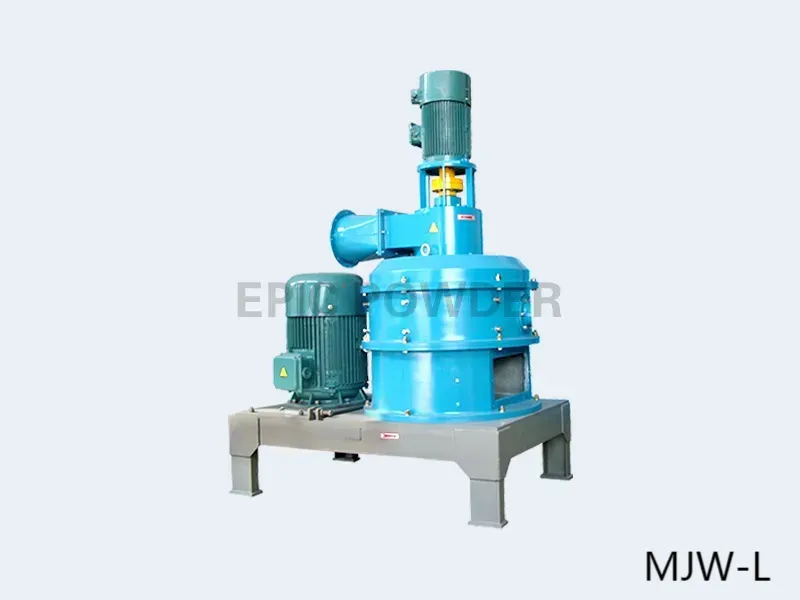
نتیجهآسیاب طبقه بندی هوا، چشم انداز صنعت پودر موم را تغییر می دهد
از ذرات درشت گرفته تا پودرهای فوق ریز در سطح میکرون، آسیاب طبقهبندی کننده هوا با طبقهبندی یکپارچه آسیاب، دمای پایین قابل کنترل، تنظیم دقیق ظرافت و فرآیند ساده، یک راهحل یک مرحلهای واقعی ارائه میدهد. این دستگاه نه تنها آستانه تولید و هزینه پودر موم فوق ریز را به میزان قابل توجهی کاهش میدهد، بلکه مستقیماً پوششهای پاییندستی، پلاستیک، لوازم آرایشی و سایر صنایع را به سمت عملکرد و عاملدار شدن بالاتر سوق میدهد.
با نگاهی به آینده، همزمان با افزایش تقاضا برای پودرهای نانو واکس و واکسهای کامپوزیتی اصلاحشده، آسیابهای طبقهبندیکننده هوا به سمت طبقهبندی دقیقتر، مصرف انرژی کمتر و هوشمندی بیشتر تکامل خواهند یافت. برای شرکتهای پودر واکس که به دنبال رقابت متمایز هستند، انتخاب یک سیستم آسیاب طبقهبندیکننده هوا مناسب میتواند گامی حیاتی برای تصاحب موج بعدی رهبری بازار باشد.

«ممنون از مطالعه. امیدوارم مقاله من مفید باشد. لطفاً نظر خود را در زیر بنویسید. همچنین میتوانید برای هرگونه سوال بیشتر با نماینده مشتریان آنلاین Zelda تماس بگیرید.»
— ارسال شده توسط امیلی چن