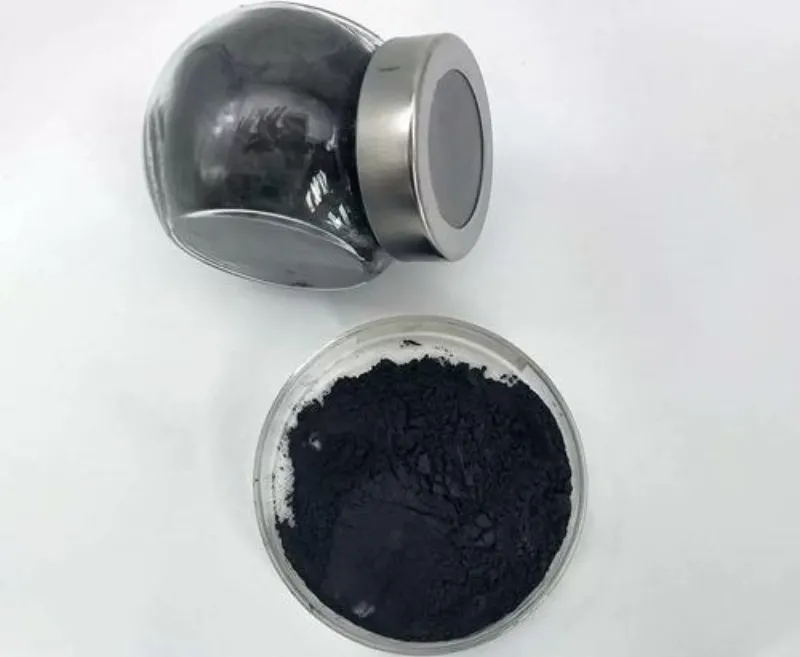
مواد کربنی متخلخل، مانند کربن فعال و کربن سیاه پیرولیتیک، به دلیل ساختارهای متخلخل بسیار توسعهیافته خود شناخته شدهاند. این منافذ، سطح ویژه عظیمی را فراهم میکنند. آنها به کربن متخلخل اجازه میدهند تا نقش مهمی در جذب، کاتالیز، ذخیره انرژی و تصفیه محیط زیست ایفا کند. با این حال، در طول پردازش - به ویژه در مرحله آسیاب فوق ریز - حفظ یکپارچگی ساختار منافذ به یک چالش بزرگ صنعتی تبدیل شده است. این مقاله بررسی میکند که آیا آسیاب فوق ریز به ساختارهای منافذ آسیب میرساند یا خیر. همچنین توضیح میدهد که چگونه یک آسیاب طبقهبندی کننده از طریق طراحی نوآورانه به پردازش "غیر مخرب" دست مییابد. این فناوریهای آسیاب به تبدیل کربن متخلخل از مواد اولیه درشت به پودرهای با کارایی بالا کمک میکنند.
اثرات بالقوه سنگ زنی فوق ریز کربن متخلخل در مورد ساختار منافذ
سنگزنی فوقریز به کاهش مواد تا مقیاس میکرون یا حتی زیر میکرون (معمولاً d97 < 10 μm) اشاره دارد. برای کربن متخلخل، هدف افزایش سطح ویژه و پراکندگی است. با این حال، این فرآیند ممکن است به ساختارهای منافذ نیز آسیب برساند. روشهای سنتی سنگزنی مکانیکی، مانند آسیاب گلولهای یا آسیاب چکشی، شامل ضربات مکانیکی شدید و اصطکاک هستند. این نیروها میتوانند منجر به فروپاشی، انسداد یا تغییر شکل منافذ شوند.
مطالعات نشان میدهد که آسیاب مکانیکی میتواند به ساختارهای منافذ آسیب برساند. به عنوان مثال، در تصفیه سرباره ریز حاصل از گازسازی زغال سنگ (CGFS)، آسیاب مکانیکی به طور قابل توجهی مورفولوژی منافذ را تغییر میدهد. این امر باعث کاهش محتوای آب ماکرومنافذ و اختلال در شبکه منافذ اصلی میشود. در نتیجه، ظرفیت جذب تحت تأثیر قرار میگیرد.
به طور مشابه، برای ذرات زغال سنگ، آسیاب کردن متراکم بر ساختارهای متخلخل تأثیر میگذارد. این امر رفتار جذب نیتروژن و دی اکسید کربن را تغییر میدهد. اگرچه جذب ممکن است در منافذ تازه باز شده افزایش یابد، اما یکپارچگی کلی ساختار به خطر میافتد.
آسیاب گلولهای حتی تهاجمیتر است. این روش میتواند ساختار متخلخل نامنظم کربن فعال را به یک ساختار گرافیتی تبدیل کند و اتمهای اکسیژن را وارد کند. اگرچه این ممکن است برخی از خواص (مانند شبهخازن) را افزایش دهد، اما اساساً معماری منافذ اصلی را تغییر میدهد.
با این حال، همه آسیابهای فوقالعاده ریز، ساختارهای متخلخل را به ناچار از بین نمیبرند. نکته کلیدی در انتخاب تجهیزات و بهینهسازی فرآیند نهفته است. روشهای آسیاب غیرتماسی، مانند آسیابهای جت، به برخوردهای ذره-ذره با سرعت بالا متکی هستند. آنها از تماس مستقیم بین اجزای مکانیکی و ماده جلوگیری میکنند. این طراحی، آلودگی و آسیب ساختاری را به حداقل میرساند. در یک پروژه کربن متخلخل در کره جنوبی، آسیاب جت به اندازه ذرات فوقالعاده ریز زیر 5 میکرومتر دست یافت. بیش از 95% از ساختار متخلخل حفظ شد. از اکسیداسیون در دمای بالا نیز جلوگیری شد. این عملکرد به اثر خنککننده ژول-تامسون در طول انبساط گاز نسبت داده میشود. این اثر محفظه آسیاب را در دمای پایین نگه میدارد. از اکسیداسیون و آسیب به ساختار کربن جلوگیری میکند. بنابراین، اینکه آیا آسیاب فوقالعاده ریز به ساختارهای متخلخل آسیب میرساند یا خیر، به روش مورد استفاده بستگی دارد. رویکردهای مکانیکی مرسوم مخربتر هستند. فناوریهای پیشرفته جت یا طبقهبندی میتوانند به پردازش نسبتاً "غیرمخرب" دست یابند.
اصول آسیابهای طبقهبندی کننده هوا و مزایای «غیرمخرب» آنها در فرآوری کربن متخلخل
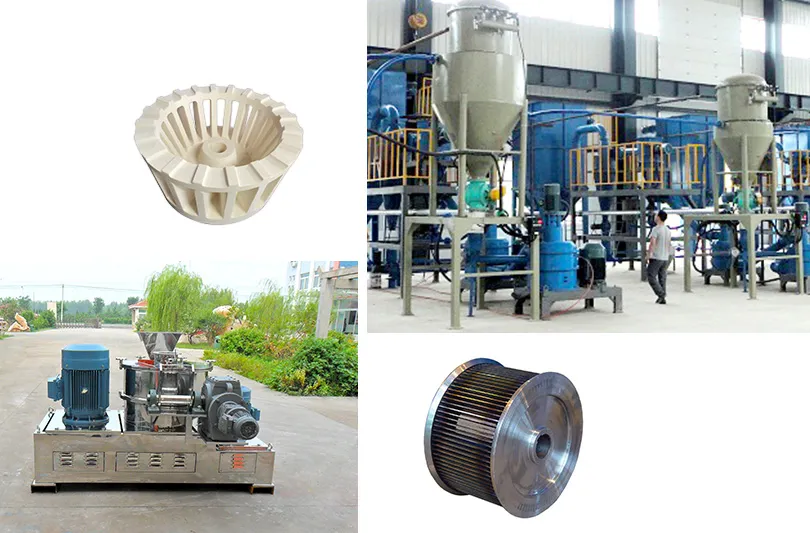
آسیاب طبقهبندی کننده هوا، آسیاب کردن و طبقهبندی اندازه ذرات را در یک سیستم واحد ادغام میکند و به طور گسترده برای مواد با چگالی کم و بسیار ریز مانند کربن سیاه و کربن متخلخل استفاده میشود. اصل اصلی آن شامل آسیاب ضربهای توسط عناصر چرخان (مانند چکش یا تیغه) همراه با یک طبقهبندی کننده هوای پویای داخلی است که ذرات را بر اساس اندازه جدا میکند. ذرات بزرگ برای پردازش بیشتر به منطقه آسیاب بازگردانده میشوند، در حالی که ذرات ریز واجد شرایط تخلیه میشوند. این طراحی حلقه بسته از آسیاب بیش از حد جلوگیری میکند و توزیع باریک اندازه ذرات را تضمین میکند.
در پردازش «غیر مخرب» کربن متخلخل، آسیابهای طبقهبندی عملکرد بسیار خوبی دارند. به عنوان مثال، آسیاب طبقهبندی هوای Mikro e-ACM، این سیستم به طور خاص برای کربن سیاه طراحی شده است. هندسه و اجزای داخلی آن اصلاح شده و از مواد سرامیکی یا کاربید تنگستن برای کاهش آلودگی استفاده میشود. برخلاف آسیابهای استاندارد ACM، این سیستم از یک سیستم بازیافت ذرات درشت خارجی استفاده میکند که در آن ذرات بزرگ در خارج از آسیاب به گردش در میآیند و به محفظه آسیاب بازگردانده میشوند. این امر از گردش مجدد داخلی که میتواند باعث شناور شدن ذرات و برخورد بیش از حد شود، جلوگیری میکند. چنین طرحی به ویژه برای کربن متخلخل با چگالی کم مناسب است و از شناور شدن یا گرفتگی ذرات در ناحیه طبقهبندی جلوگیری میکند. محصولات در جریان هوای خنککننده، انتقال و طبقهبندی، با سرعت نوک تا 140 متر بر ثانیه، جذب میشوند و در عین حال به ظرافت d97 = 10 میکرومتر میرسند و در عین حال سطح دانهبندی پایین را حفظ میکنند.
این مکانیسم «غیرمخرب» در چندین جنبه منعکس میشود:
- حفاظت سازهای: بازیافت خارجی، زمان اقامت ذرات در محفظه آسیاب را کوتاه میکند و از برخوردهای مکرر که میتواند به منافذ آسیب برساند، جلوگیری میکند. در مقایسه با برخوردهای شدید در آسیاب گلولهای، جداسازی مبتنی بر هوا در آسیابهای طبقهبندیشده ملایمتر است و ظرفیت جذب و رسانایی الکتریکی را حفظ میکند.
- کنترل خلوص: عملیات بدون واسطه، آلودگی را از بین میبرد و آن را برای کربن متخلخل با خلوص بالا که در باتریها یا جذب محیطی استفاده میشود، مناسب میسازد.
- کارایی و یکنواختی: طبقهبندی، توزیع باریک اندازه ذرات را تضمین میکند و عملکرد مواد را بهبود میبخشد. به عنوان مثال، در فرآوری کربن سیاه پیرولیتیک، آسیابهای طبقهبندی، آسیاب کردن و طبقهبندی را متعادل میکنند و فعالیت سطحی و پراکندگی را بهبود میبخشند.
- مزایای زیستمحیطی و انرژی: عملکرد فشار منفی و جمعآوری گرد و غبار پالسی مطابق با استانداردهای ضد انفجار ATEX است و آنها را برای موادی که به راحتی اکسید میشوند، مناسب میسازد.
در کاربردهای عملی، از آسیابهای طبقهبندی در خطوط تولید پودر کربن فعال برای دستیابی به کنترل دقیق از مش 30-325 تا مش 325-2500 استفاده شده است، در حالی که حجم منافذ و سطح ویژه حفظ میشود. این امر کربن متخلخل را قادر میسازد تا در تصفیه آب، فیلتراسیون هوا و بازیابی طلا عملکرد فوقالعادهای داشته باشد.
تحلیل موردی و چشمانداز آینده
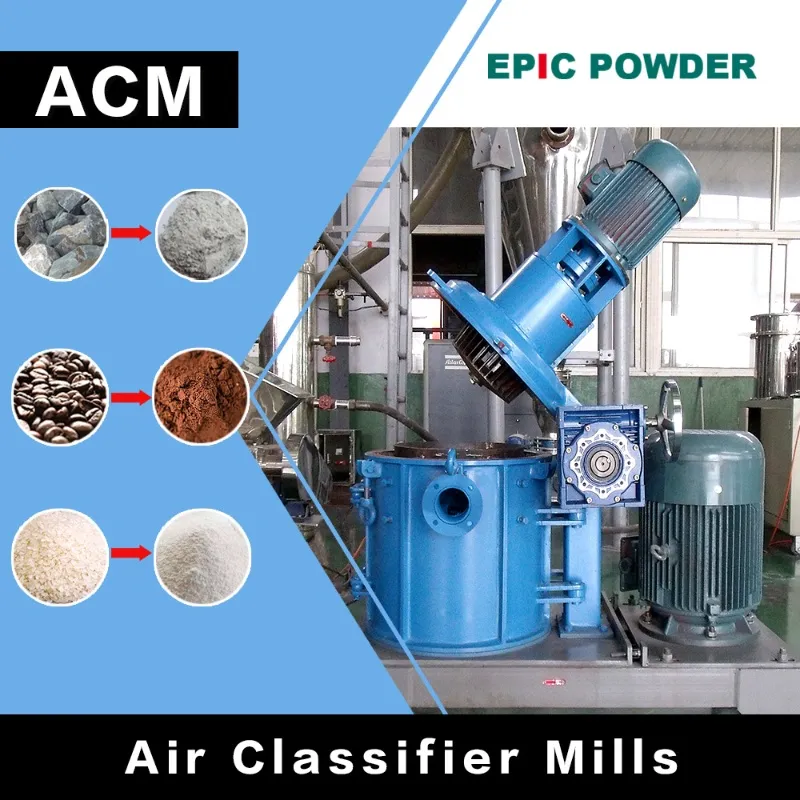
در عمل صنعتی، مزایای «غیرمخرب» آسیابهای طبقهبندی به خوبی تأیید شدهاند. به عنوان مثال، سیستمهای ACM هوسوکاوا میتوانند کربن سیاه را با ظرفیتهای حداکثر ۱۲۰۰ پوند در ساعت پردازش کنند. آنها از اجزای سرامیکی برای کاهش آلودگی استفاده میکنند. این امر آنها را برای مواد ساینده مناسب میکند. با نگاهی به آینده، کنترل هوشمند مبتنی بر هوش مصنوعی به طور فزایندهای ادغام خواهد شد. فناوریهای اصلاح سطح نیز با آسیابهای طبقهبندی ترکیب خواهند شد. این پیشرفتها در کنار هم، پردازش کربن متخلخل را بیشتر بهینه میکنند. آنها کاربردها را به باتریهای انرژی جدید و جذب CO₂ گسترش خواهند داد.
نتیجه
سنگزنی فوقالعاده ریز کربن متخلخل لزوماً ساختارهای متخلخل را از بین نمیبرد. با انتخاب تجهیزات پیشرفته مانند آسیابهای طبقهبندی، میتوان به فرآوری واقعاً "غیرمخرب" کربن متخلخل دست یافت. این امر نه تنها عملکرد مواد را افزایش میدهد، بلکه از توسعه فرآیندهای صنعتی پایدارتر نیز پشتیبانی میکند.

«ممنون از مطالعه. امیدوارم مقاله من مفید باشد. لطفاً نظر خود را در زیر بنویسید. همچنین میتوانید برای هرگونه سوال بیشتر با نماینده مشتریان آنلاین Zelda تماس بگیرید.»
— ارسال شده توسط امیلی چن