کربن متخلخل مشتق شده از لیگنین به عنوان یک ماده با کارایی بالا که به طور گسترده در کاربردهای ذخیره انرژی، کاتالیز و جذب استفاده میشود، ظهور کرده است. دستیابی به اندازه ذرات بهینه، مساحت سطح و ساختار منافذ برای عملکرد آن بسیار مهم است. در فرآوری پودر، دو فناوری رایج برای آسیاب فوق ریز، آسیاب جت و آسیاب طبقه بندی هوا هستند. درک تفاوتها، کاربردها و مزایای آنها میتواند به تولیدکنندگان کمک کند تا فرآیند تولید کربن متخلخل لیگنین خود را بهینه کنند.
تجزیه مفهوم
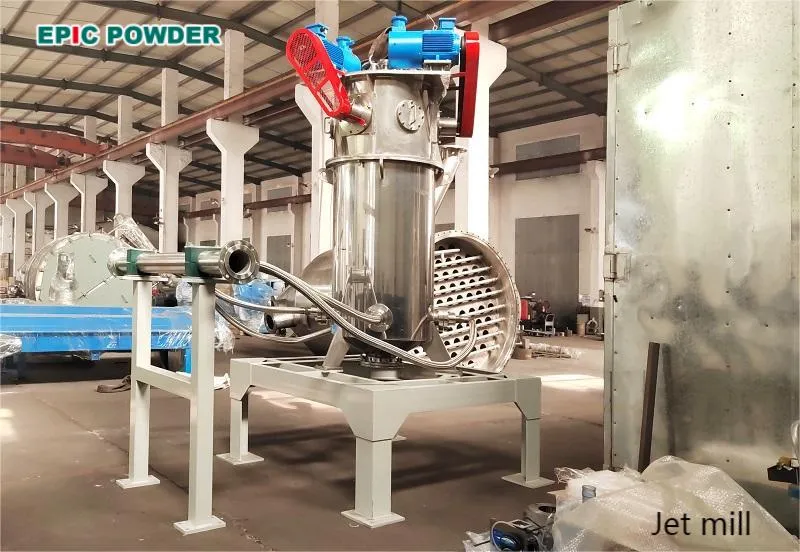
آسیاب جت
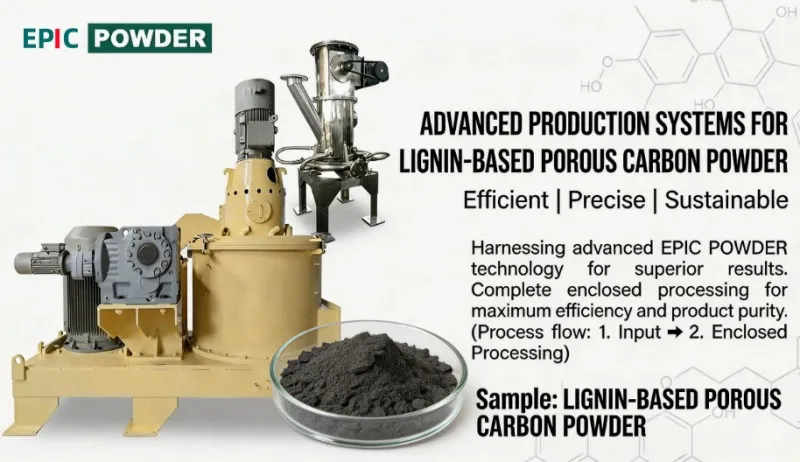
آسیاب جت نوعی تجهیزات است که از گاز با سرعت بالا (معمولاً هوا یا نیتروژن) برای شتاب دادن به ذرات به داخل محفظه آسیاب استفاده میکند. ذرات با سرعت مافوق صوت به هم برخورد میکنند و از طریق ضربه و سایش باعث کاهش اندازه میشوند. آسیابهای جت به دلیل توانایی خود در تولید پودرهای بسیار ریز با توزیع اندازه ذرات باریک و حداقل آلودگی شناخته شدهاند.
ویژگیهای کلیدی آسیاب جت برای کربن متخلخل مشتقشده از لیگنین:
- خلوص بالا: هیچ قطعه سنگزنی مکانیکی با مواد تماس پیدا نمیکند و خطر آلودگی را کاهش میدهد.
- قابلیت ذرات فوق ریز: میتواند به اندازه ذرات زیر میکرون دست یابد، که برای کاربردهای با سطح ویژه بالا بسیار مهم است.
- تولید حرارت کم: این فرآیند حداقل گرما تولید میکند که برای کربن مشتقشده از لیگنین جهت جلوگیری از تخریب ساختاری مهم است.
آسیاب طبقه بندی هوا
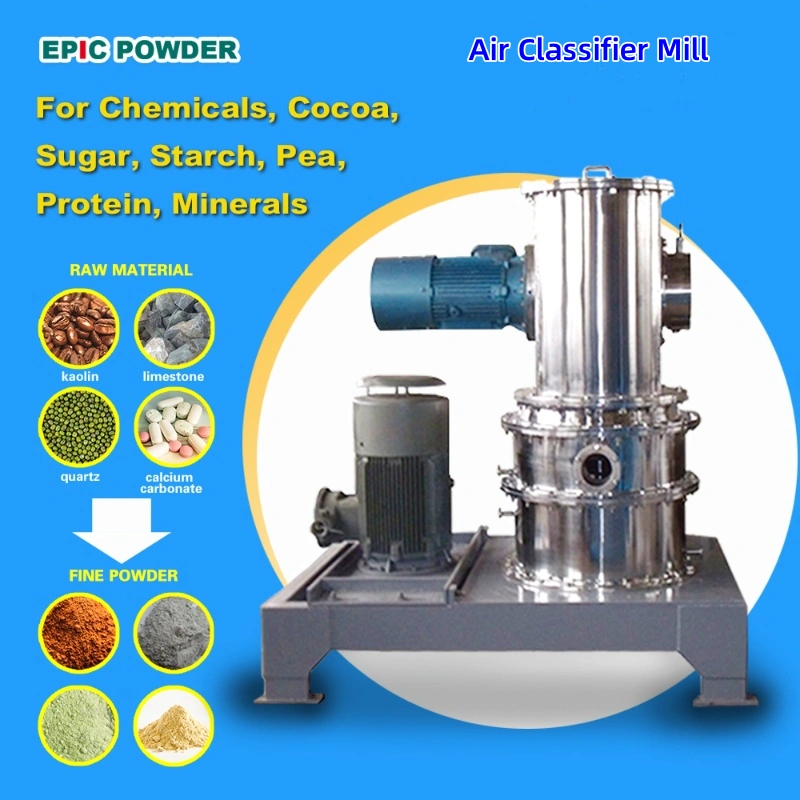
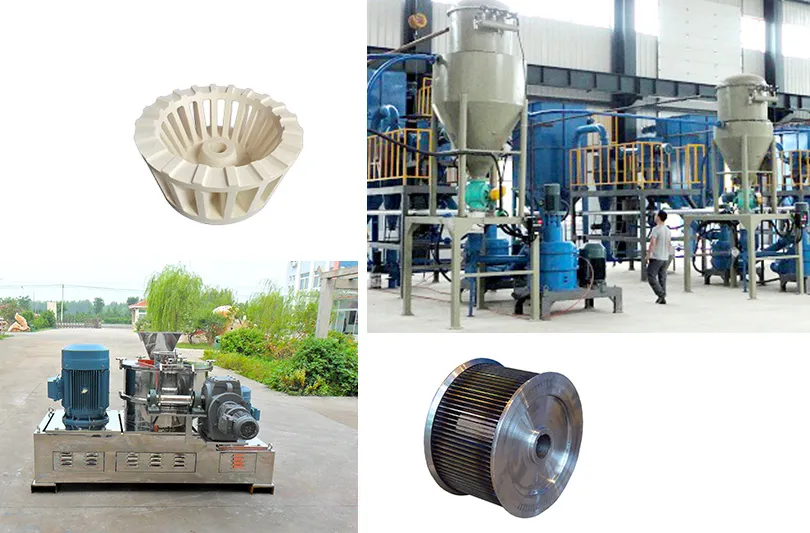
یک آسیاب طبقه بندی هوا این دستگاه، آسیاب کردن معمولی را با یک سیستم طبقهبندی هوا ترکیب میکند. ذرات توسط نیروهای ضربه و برش آسیاب میشوند و سپس توسط یک طبقهبندیکننده هوای یکپارچه طبقهبندی میشوند که ذرات ریز را از ذرات درشت در زمان واقعی جدا میکند.
ویژگیهای کلیدی آسیاب کردن با دستگاه طبقهبندی هوا برای کربن متخلخل مشتق شده از لیگنین:
- اندازه ذرات قابل تنظیم: خروجی ذرات ریز را میتوان با تغییر سرعت طبقهبندیکننده کنترل کرد.
- مصرف بهینه انرژی: ذرات درشت برای آسیاب مجدد برگردانده میشوند که باعث بهبود عملکرد و بهرهوری انرژی میشود.
- انعطافپذیری: در مقایسه با آسیابهای جت، میتواند طیف وسیعتری از اندازه ذرات خوراک و سطوح رطوبت را مدیریت کند.
تفاوتهای کلیدی
| ویژگی | آسیاب جت | آسیاب طبقه بندی هوا |
|---|---|---|
| مکانیسم سنگ زنی | برخورد ذره با ذره در سرعت بالا | ضربه + برش + طبقهبندی |
| اندازه ذرات | فوق ریز، زیر میکرون | ریز، معمولاً ۲ تا ۲۰ میکرومتر |
| مصرف انرژی | به دلیل نیاز به هوای فشرده، بالاتر است | متوسط، انرژی را میتوان بهینه کرد |
| خطر آلودگی | مینیمال | به دلیل قطعات مکانیکی کمی بالاتر است |
| مواد خوراکی | پودرهای خشک و تمیز | میتواند پودرهای کمی مرطوب یا درشت را تحمل کند |
به طور خلاصه، آسیاب جت برای تولید پودرهای کربن متخلخل مشتق شده از لیگنین با خلوص بالا و بسیار ریز ایدهآل است، در حالی که آسیابهای طبقهبندی کننده هوا، انعطافپذیری و اندازه ذرات قابل تنظیم را برای کاربردهای بسیار ریز با تقاضای کمتر ارائه میدهند.
۲. پرسش و پاسخهای مرتبط
سوال ۱: آیا کربن متخلخل لیگنین میتواند ساختار منافذ خود را پس از آسیاب جت حفظ کند؟
پاسخ:
بله، اما کنترل دقیق پارامترهای فرآیند بسیار مهم است. سرعت بیش از حد آسیاب جت یا آسیاب طولانی مدت میتواند به شبکه متخلخل آسیب برساند و باعث کاهش سطح و ظرفیت جذب شود. بهینهسازی فشار هوا، نرخ تغذیه و زمان آسیاب تضمین میکند که کربن متخلخل لیگنین ساختار متخلخل خود را حفظ کرده و در عین حال به اندازه ذرات مورد نظر دست یابد.
سوال ۲: چرا برای کربن لیگنین، آسیاب طبقهبندی کننده هوایی را به آسیاب جت ترجیح دهیم؟
پاسخ:
آسیابهای طبقهبندی کننده هوا زمانی مفید هستند که مواد اولیه توزیع اندازه ذرات وسیعتری داشته باشند یا زمانی که اندازه ذرات قابل تنظیم مورد نیاز باشد. آنها امکان طبقهبندی مداوم و چرخش مجدد ذرات درشت را فراهم میکنند، که باعث بهبود راندمان تولید و کاهش اتلاف انرژی میشود. با این حال، اگر ذرات بسیار ریز (<1 میکرومتر) ضروری باشند، آسیاب جت مناسبتر است.
۳. مزایای انتخاب فناوری فرزکاری مناسب
انتخاب روش آسیاب مناسب برای تولید کربن متخلخل لیگنین مزایای متعددی را به همراه دارد:
- عملکرد پیشرفته مواد: اندازه و توزیع مناسب ذرات، جذب، رسانایی الکتریکی و پایداری مکانیکی کربن متخلخل لیگنین را بهبود میبخشد.
- بهره وری انرژی: آسیابهای طبقهبندی کننده هوا میتوانند از طریق گردش مجدد ذرات و شدت آسیاب قابل تنظیم، مصرف کلی انرژی را کاهش دهند.
- ثبات محصول: هم آسیابهای جت و هم آسیابهای طبقهبندی کننده هوا امکان کنترل دقیق اندازه ذرات را فراهم میکنند و کیفیت یکنواختی را برای کاربردهای پاییندستی مانند الکترودها یا کاتالیزورها تضمین میکنند.
- کاهش آلودگی: آسیابهای جت، به ویژه، ورود ناخالصیهای فلزی را به حداقل میرسانند و خلوص بالای کربن لیگنین را حفظ میکنند.
۴. فرآیند گام به گام برای آسیاب کردن کربن متخلخل مشتق شده از لیگنین
در اینجا یک گردش کار دقیق برای پردازش کربن متخلخل لیگنین با استفاده از هر دو نوع آسیاب ارائه شده است:
آماده سازی خوراک
- خشک کردن: برای جلوگیری از تجمع لیگنین، اطمینان حاصل کنید که رطوبت خوراک کربن لیگنین کمتر از 1-2% باشد.
- غربالگری: با استفاده از الک یا پیشخردکن (بهویژه برای آسیابهای طبقهبندیکننده هوا)، آگلومرههای بزرگ را جدا کنید.
انتخاب تجهیزات فرزکاری
- تعیین اندازه ذرات مورد نیاز:
- زیر میکرون: جت میل
- ۲–۲۰ میکرومتر: آسیاب طبقهبندی کننده هوا
- حجم تولید و میزان مصرف انرژی را در نظر بگیرید.
عملیات جت میل
- پودر کربن لیگنین خشک را به قیف آسیاب تغذیه کنید.
- فشار هوای فشرده را تنظیم کنید (معمولاً ۴ تا ۷ بار برای کربن لیگنین).
- نرخ تغذیه را کنترل کنید تا راندمان برخورد حفظ شود.
- با استفاده از آنالیزور پراش لیزری، اندازه ذرات خروجی را کنترل کنید.
- زمان یا فشار آسیاب را برای رسیدن به اندازه ذرات هدف تنظیم کنید.
آسیاب طبقه بندی هوا عمل
- پودر کربن لیگنین غربال شده را به داخل آسیاب تغذیه کنید.
- سرعت روتور طبقهبندی کننده را بر اساس اندازه ذرات مورد نظر تنظیم کنید.
- اجازه دهید ذرات درشت به طور خودکار برای آسیاب مجدد به گردش درآیند.
- ذرات ریز را در جمع کننده پودر جمع آوری کنید.
- برای اطمینان از خروجی یکنواخت، اندازه ذرات را به صورت دورهای کنترل کنید.
رسیدگی پس از فرزکاری
- کربن لیگنین آسیاب شده را در ظروف دربسته نگهداری کنید تا از جذب رطوبت جلوگیری شود.
- اختیاری: اصلاح یا فعالسازی سطح برای افزایش بیشتر تخلخل یا رسانایی.
۵. نتایج عملی و مشاهدات
کنترل اندازه ذرات
- آسیاب جت، کربن لیگنین با قطر D50 ~0.8 میکرومتر و قطر D90 ~1.2 میکرومتر تولید کرد که برای الکترودهای ابرخازن ایدهآل است.
- آسیاب کردن با دستگاه طبقهبندی هوا، D50 ~5 μm با توزیع باریک به دست داد که برای کاربردهای جذب و فیلتراسیون مناسب است.
حفظ تخلخل
- آسیاب جت کنترلشده ۹۵۱TP۳T از حجم منافذ اولیه را حفظ کرد، در حالی که سرعت بیش از حد آن را تا ۲۰۱TP۳T کاهش داد.
- فرزکاری با طبقهبندیکننده هوا به دلیل نیروهای ضربه کمتر، حداقل فروپاشی منافذ را نشان داد.
راندمان تولید و بازده
- آسیاب جت به پودرهای فوق ریز دست یافت اما هوای فشرده بیشتری مصرف کرد و نیاز به کنترل دقیق نرخ تغذیه داشت.
- آسیاب کردن با استفاده از طبقهبندیکننده هوا، امکان عملیات مداوم با گردش مجدد هوا را فراهم کرد و به بازده >90% و مصرف انرژی متوسط دست یافت.
نتیجه
مقایسه بین آسیابهای جت و آسیابهای طبقهبندی کننده هوا برای تولید کربن متخلخل مشتق شده از لیگنین، بده بستانهای بین قابلیت تولید ذرات فوق ریز، بهرهوری انرژی و حفظ مواد را برجسته میکند. آسیابهای جت در تولید پودرهای زیر میکرونی با خلوص بالا و حداقل آلودگی برتری دارند و آنها را برای کاربردهایی مانند باتریها و کاتالیزورها ایدهآل میکنند. از سوی دیگر، آسیابهای طبقهبندی کننده هوا، انعطافپذیری، اندازه ذرات قابل تنظیم و گردش مجدد کارآمد را برای پودرهای با ریز متوسط فراهم میکنند. انتخاب فناوری آسیاب مناسب و بهینهسازی پارامترهای فرآیند، کربن متخلخل لیگنین با عملکرد بالا را با کیفیت ثابت، مساحت سطح بالا و ساختار متخلخل حفظ شده تضمین میکند.
با درک مکانیک، مزایا و نتایج عملی هر رویکرد آسیاب کردن، تولیدکنندگان میتوانند تصمیمات آگاهانهای بگیرند، کیفیت محصول را افزایش دهند و راندمان تولید را در کاربردهای کربن متخلخل لیگنین بهینه کنند.

«ممنون از مطالعه. امیدوارم مقاله من مفید باشد. لطفاً نظر خود را در زیر بنویسید. همچنین میتوانید برای هرگونه سوال بیشتر با نماینده مشتریان آنلاین Zelda تماس بگیرید.»
— ارسال شده توسط امیلی چن