ໃນການໃຊ້ງານເຄືອບຜົງທີ່ທັນສະໄໝ, ຂະໜາດຂອງອະນຸພາກແມ່ນໜຶ່ງໃນຕົວກຳນົດທີ່ສຳຄັນທີ່ສຸດທີ່ກຳນົດປະສິດທິພາບການເຄືອບສຸດທ້າຍ. ສຳລັບການເຄືອບຜົງທີ່ມີປະສິດທິພາບສູງ - ເຊັ່ນ: ການເຄືອບບາງໆ (ຄວາມໜາຂອງຟິມມັກຈະ <50–60 μm), ການເຄືອບທີ່ມີຄວາມເງົາງາມສູງ, ຫຼື ການເຄືອບທີ່ຕ້ອງການຄວາມລຽບນຽນ ແລະ ຄວາມຕ້ານທານການກັດກ່ອນທີ່ໂດດເດັ່ນ - ມາດຕະຖານຄຳຂອງອຸດສາຫະກຳແມ່ນ D₅₀ < 30 μm (ເສັ້ນຜ່າສູນກາງຂອງອະນຸພາກກາງຕ່ຳກວ່າ 30 ໄມຄຣອນ), ໂດຍມີສູດປະສົມທີ່ກ້າວໜ້າຫຼາຍສູດທີ່ແນໃສ່ D₅₀ ໃນລະດັບ 20–28 μm ແລະ ການແຈກຢາຍຂະໜາດອະນຸພາກທີ່ແຄບ (PSD).
ເປັນຫຍັງຂອບເຂດນີ້ຈຶ່ງມີຄວາມສຳຄັນຫຼາຍ? ອະນຸພາກທີ່ນ້ອຍກວ່າ ແລະ ເປັນເອກະພາບກວ່າ ຈະລະລາຍ ແລະ ໄຫຼໄດ້ຢ່າງມີປະສິດທິພາບຫຼາຍຂຶ້ນໃນລະຫວ່າງການແຂງຕົວ ເຊິ່ງສົ່ງຜົນໃຫ້:
- ໜ້າຜິວລຽບນຽນຂຶ້ນພ້ອມໂຄງສ້າງເປືອກສົ້ມຫຼຸດລົງຢ່າງຫຼວງຫຼາຍ
- ລະດັບຄວາມເງົາງາມສູງຂຶ້ນ (ມີຂໍ້ບົກຜ່ອງຈາກການກະແຈກກະຈາຍແສງໜ້ອຍລົງຈາກອະນຸພາກຫຍາບ)
- ຄວາມສະໝໍ່າສະເໝີຂອງຟິມທີ່ດີກວ່າ, ໂຄງສ້າງຈຸນລະພາກທີ່ໜາແໜ້ນກວ່າ, ມີຮູນ້ອຍລົງ, ແລະ ປ້ອງກັນການກັດກ່ອນໄດ້ດີຂື້ນ
- ປັບປຸງການສາກໄຟຟ້າສະຖິດ ແລະ ປະສິດທິພາບການໂອນຍ້າຍໃນລະຫວ່າງການນຳໃຊ້, ໂດຍສະເພາະໃນຊັ້ນບາງໆ ຫຼື ຮູບຮ່າງທີ່ຊັບຊ້ອນ
ອຸປະກອນບົດແບບດັ້ງເດີມ (ເຊັ່ນ: ໂຮງສີຄ້ອນ ຫຼື ໂຮງສີກົນຈັກງ່າຍໆ) ມັກຈະມີບັນຫາໃນການບັນລຸ D₅₀ < 30 μm ຢ່າງໜ້າເຊື່ອຖື. ເມື່ອຍູ້ໃຫ້ມີຂະໜາດທີ່ລະອຽດກວ່າ, ພວກມັນມັກຈະເຮັດໃຫ້ເກີດການບົດເກີນ (ລະອຽດເກີນໄປທີ່ນຳໄປສູ່ PSD ທີ່ກວ້າງຂວາງ ແລະ ການໄຫຼຂອງນ້ຳບໍ່ດີ) ຫຼື ຄວາມຮ້ອນເກີນໄປ (ຈຸດຮ້ອນທີ່ຕັ້ງຢູ່ໃນທ້ອງຖິ່ນເຮັດໃຫ້ຢາງອ່ອນລົງ, ການລວມຕົວກັນ, ຫຼືແມ່ນແຕ່ການແຂງຕົວ/ສີເຫຼືອງບາງສ່ວນໃນຜົງ thermosetting ທີ່ອ່ອນໄຫວຕໍ່ຄວາມຮ້ອນ).
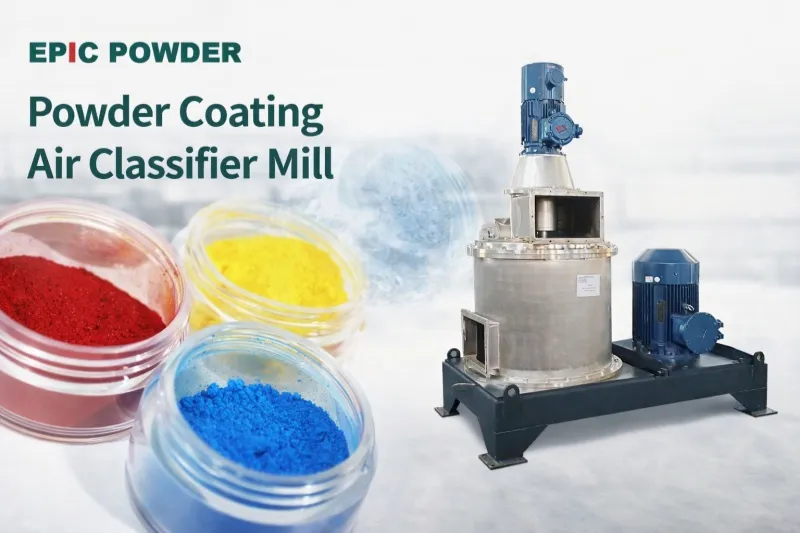
ນີ້ແມ່ນບ່ອນທີ່ມີການເຄືອບຜົງ ເຄື່ອງຈັດປະເພດອາກາດ (ACM)—ເຊິ່ງເອີ້ນກັນວ່າໂຮງສີຈັດປະເພດອາກາດ ຫຼື ໂຮງສີຈັດປະເພດຜົນກະທົບ—ດີເລີດ. ໂດຍການປະສົມປະສານການບົດ ແລະ ການຈັດປະເພດທີ່ຊັດເຈນໄວ້ໃນເຄື່ອງດຽວ, ACM ສາມາດເອົາຊະນະຈຸດເຈັບປວດເຫຼົ່ານີ້ໄດ້ຢ່າງມີປະສິດທິພາບ ແລະ ກາຍເປັນທາງເລືອກທີ່ຕ້ອງການສຳລັບການຜະລິດເຄືອບຜົງລະດັບສູງທີ່ມີ D₅₀ < 30 μm.
ກົນໄກຫຼັກ: ວິທີການ ເຄື່ອງຈັດປະເພດອາກາດ ເຮັດວຽກສຳລັບການເຄືອບຜົງ
ACM ແມ່ນ ລະບົບສອງໜ້າທີ່ ການລວມເອົາການຂັດດ້ວຍຄວາມໄວສູງກັບການຈັດປະເພດອາກາດແບບໄດນາມິກ.
- ເຂດຂັດວັດສະດຸ (ຊິບທີ່ບົດແລ້ວ) ຖືກປ້ອນເຂົ້າໄປໃນຫ້ອງບົດ. ຄວາມໄວສູງ ແຜ່ນຂັດ (ມີເຂັມ, ຄ້ອນຕີ, ຫຼື ໃບມີດ) ໝູນດ້ວຍຄວາມໄວຮອບນອກມັກຈະເກີນ 100–150 ແມັດ/ວິນາທີ. ອະນຸພາກຈະແຕກຫັກຜ່ານການກະທົບຢ່າງແຮງ, ການສວມໃສ່, ແລະ ການຕັດຕໍ່ແຜ່ນ, ຝາຫ້ອງ, ແລະ ເຊິ່ງກັນແລະກັນ.
- ເຂດຈັດປະເພດ: ຕັ້ງຢູ່ຂ້າງເທິງ ຫຼື ປະສົມປະສານກັບເຂດການຂັດໂດຍກົງ ລໍ້ແຍກປະເພດ (ແຮງພັດລົມໝູນທີ່ມີໃບມີດ/ແວນ). ລໍ້ຕົວຈັດປະເພດສ້າງແຮງໜີສູນກາງທີ່ແຂງແຮງ, ໃນຂະນະທີ່ອາກາດໃນຂະບວນການໄຫຼຂຶ້ນເທິງໂດຍນຳເອົາອະນຸພາກລະອຽດ.
ຂະໜາດຂອງອະນຸພາກສຸດທ້າຍແມ່ນຖືກກຳນົດໂດຍຄວາມສົມດຸນທີ່ລະອຽດອ່ອນລະຫວ່າງ:
- ແຮງໜີສູນກາງ (ຍູ້ອະນຸພາກຂະໜາດໃຫຍ່ອອກໄປຫາກຳແພງ)
- ແຮງຕ້ານ/ແຮງຍົກຂອງອາກາດ (ດຶງອະນຸພາກທີ່ລະອຽດກວ່າເຂົ້າໄປທາງໃນ ແລະ ຂຶ້ນເທິງຜ່ານລໍ້)
ອະນຸພາກທີ່ລະອຽດກວ່າຂະໜາດທີ່ຕັດຈະຜ່ານລໍ້ຂອງຕົວຈັດປະເພດ ແລະ ອອກມາພ້ອມກັບກະແສລົມທີ່ຈະເກັບກຳ (cyclone + ຖົງກອງ). ອະນຸພາກທີ່ຫຍາບກວ່າຈະຖືກປະຕິເສດກັບຄືນສູ່ເຂດບົດເພື່ອຫຼຸດຂະໜາດລົງຕື່ມອີກ - ສ້າງວົງຈອນການໝູນວຽນພາຍໃນທີ່ຮັບປະກັນການບົດລະອຽດທີ່ມີປະສິດທິພາບ ແລະ ຄວບຄຸມໄດ້ໂດຍບໍ່ມີການບົດຫຼາຍເກີນໄປ.
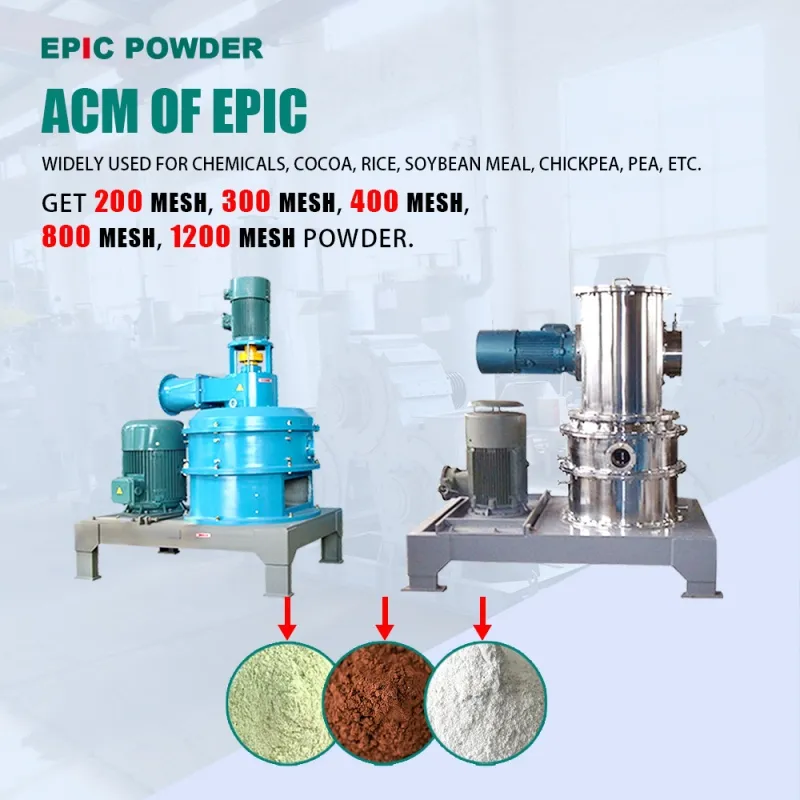
ປັດໄຈຫຼັກ (ຄວາມລັບ) ໃນການບັນລຸ D₅₀ < 30 μm
ຄວາມລັບທີ 1: ການຄວບຄຸມຄວາມໄວຂອງຕົວຈັດປະເພດທີ່ຊັດເຈນ
ຄວາມໄວຂອງລໍ້ເຄື່ອງຈັດປະເພດແມ່ນຄັນຄວບຄຸມທີ່ມີປະສິດທິພາບສູງສຸດສຳລັບການຄວບຄຸມຂະໜາດຕັດດ້ານເທິງ ແລະ ຂະໜາດກາງ. ຄວາມໄວຂອງລໍ້ທີ່ສູງຂຶ້ນຈະເພີ່ມແຮງໜີສູນກາງ, ເພີ່ມກຳແພງພະລັງງານສຳລັບອະນຸພາກທີ່ຈະຜ່ານ → ຂະໜາດດ້ານເທິງທີ່ແໜ້ນໜາຂຶ້ນ ແລະ D₅₀ ຕ່ຳລົງ. ACM ທີ່ທັນສະໄໝຊ່ວຍໃຫ້ການປັບແບບບໍ່ມີຂັ້ນຕອນ (ມັກຈະຜ່ານຕົວແປງຄວາມຖີ່), ເຮັດໃຫ້ຜູ້ປະຕິບັດງານສາມາດປັບແຕ່ງ D₅₀ ໄດ້ໃນເວລາຈິງ. ສຳລັບ D₅₀ < 30 μm, ຄວາມໄວຂອງເຄື່ອງຈັດປະເພດມັກຈະຢູ່ໃນລະດັບສູງ (ຫຼາຍພັນ rpm), ສະກັດກັ້ນສິ່ງໃດກໍ່ຕາມທີ່ສູງກວ່າ ~40–50 μm ໄດ້ຢ່າງມີປະສິດທິພາບ.
ຄວາມລັບທີ 2: ອັດຕາສ່ວນອາກາດຕໍ່ວັດສະດຸທີ່ດີທີ່ສຸດ
ການໄຫຼວຽນຂອງອາກາດທີ່ພຽງພໍແມ່ນສິ່ງຈຳເປັນ. ປະລິມານອາຍແກັສທີ່ພຽງພໍ:
- ປ້ອງກັນການສະສົມ/ການສະສົມຂອງວັດສະດຸໃນຫ້ອງບົດ
- ຮັກສາການໄຫຼວຽນຂອງນ້ຳ ແລະ ການຂົນສົ່ງທີ່ໝັ້ນຄົງ
- ຮັບປະກັນການຈັດປະເພດທີ່ຄົມຊັດ (ຄວາມໄວຂອງອາກາດຕ້ອງກົງກັບສະໜາມແຮງໜີສູນກາງ)
ອາກາດໜ້ອຍເກີນໄປ → ການກະຈາຍຕົວບໍ່ດີ, ຫາງຫຍາບໃນ PSD, ແລະ ມີຄວາມສ່ຽງທີ່ຈະລະລາຍ. ອາກາດຫຼາຍເກີນໄປ → ລະອຽດເກີນໄປ ແລະ ເສຍພະລັງງານ. ຈຸດທີ່ຫວານ (ມັກຈະສະແດງອອກເປັນອັດຕາສ່ວນມວນສານລະຫວ່າງອາກາດຕໍ່ວັດສະດຸ) ຖືກອອກແບບຢ່າງລະມັດລະວັງສຳລັບສູດຜົງແຕ່ລະສູດ.
ຢາງເຄືອບຜົງ (polyester, epoxy, hybrid, ແລະອື່ນໆ) ແມ່ນສູງ ອ່ອນໄຫວຕໍ່ຄວາມຮ້ອນຜົນກະທົບຄວາມຖີ່ສູງໃນຂະໜາດນ້ອຍໆສາມາດສ້າງຄວາມຮ້ອນແຮງສຽດທານທີ່ສຳຄັນ. ຖ້າອຸນຫະພູມທາງອອກຂອງໂຮງງານເກີນ ~50–60°C (ຂຶ້ນກັບຢາງ), ອະນຸພາກອາດຈະອ່ອນລົງ, ຕິດຕົວ, ຕິດກັບຝາ, ຫຼື ມີການເຊື່ອມກັນໄວ, ທຳລາຍການໄຫຼ ແລະ ຮູບລັກສະນະ.
ຄວາມລັບທີ 3: ການຄຸ້ມຄອງອຸນຫະພູມ (ການບົດເຢັນ)
ຢາງເຄືອບຜົງ (polyester, epoxy, hybrid, ແລະອື່ນໆ) ມີຄວາມອ່ອນໄຫວຕໍ່ຄວາມຮ້ອນສູງ. ການກະທົບກະເທືອນຄວາມຖີ່ສູງໃນຂະໜາດນ້ອຍໆສາມາດສ້າງຄວາມຮ້ອນທີ່ຮຸນແຮງ. ຖ້າອຸນຫະພູມທາງອອກຂອງໂຮງງານສູງກວ່າ ~50–60°C (ຂຶ້ນກັບຢາງ), ອະນຸພາກອາດຈະອ່ອນລົງ, ຕິດຕົວ, ຕິດກັບຝາ, ຫຼື ມີການເຊື່ອມກັນໄວ, ທຳລາຍການໄຫຼ ແລະ ຮູບລັກສະນະ.
ການອອກແບບຂັ້ນສູງຂອງໂຮງງານຈັດປະເພດອາກາດເຄືອບຜົງແກ້ໄຂບັນຫານີ້ຜ່ານ:
- ອາກາດເຢັນໃນຂະບວນການປະລິມານຫຼາຍ ການຮັບນ້ຳ (ມັກຈະຖືກກັ່ນຕອງ ແລະ ຄວບຄຸມອຸນຫະພູມ)
- ທີ່ຢູ່ອາໄສ/ເສື້ອຄຸມໂຮງສີທີ່ລະບາຍຄວາມຮ້ອນດ້ວຍນ້ຳ ຫຼື ພາກສ່ວນຈັດປະເພດເຢັນ
- ຄວາມໄວຂອງ rotor ແລະອັດຕາການປ້ອນທີ່ດີທີ່ສຸດເພື່ອຫຼຸດຜ່ອນເວລາທີ່ຢູ່ອາໄສ ແລະ ການສະສົມຄວາມຮ້ອນ
ຄຸນສົມບັດເຫຼົ່ານີ້ເຮັດໃຫ້ເປັນຈິງ ການບົດເຢັນ, ຮັກສາອຸນຫະພູມຜະລິດຕະພັນໃຫ້ຕໍ່າເຖິງແມ່ນວ່າຢູ່ທີ່ D₅₀ < 25–28 μm.
ການປັບແຕ່ງອົງປະກອບເພື່ອຜົນໄດ້ຮັບທີ່ດີເລີດ
ເພື່ອຜະລິດ PSD ທີ່ແຄບລົງຢ່າງຕໍ່ເນື່ອງໃນລະດັບທີ່ລະອຽດອ່ອນທີ່ສຸດ:
- ການອອກແບບລໍ້ເຄື່ອງຈຳແນກປະເພດຈຳນວນໃບມີດ, ມຸມ, ແລະ ເສັ້ນຜ່າສູນກາງຂອງໃບມີດມີອິດທິພົນຢ່າງຫຼວງຫຼາຍຕໍ່ຄວາມຄົມຊັດຂອງການຕັດ. ໃບມີດຫຼາຍ ຫຼື ໂປຣໄຟລ໌ທີ່ດີທີ່ສຸດສາມາດເຮັດໃຫ້ການແຈກຢາຍແຄບລົງ (ຄ່າຄວາມຍາວຕ່ຳກວ່າ), ຫຼຸດຜ່ອນທັງຫາງຫຍາບ ແລະ ຄວາມລະອຽດທີ່ຫຼາຍເກີນໄປ.
- ວັດສະດຸທີ່ທົນທານຕໍ່ການສວມໃສ່: ການເຄືອບຜົງມັກຈະມີສານເຕີມເຕັມຫຼາຍ (BaSO₄, TiO₂, CaCO₃). ສິ່ງເຫຼົ່ານີ້ມີຄວາມຫຍາບຄາຍ. ການໃຊ້ ຊັ້ນໃນເຊລາມິກ (Al₂O₃ ຫຼື SiC) ໃສ່ຝາຫ້ອງບົດ, ຫຼື ໂລຫະປະສົມແຂງ (tungsten carbide) ເທິງໝຸດ/ແຜ່ນ ແລະ ໃບມີດແຍກປະເພດ, ປ້ອງກັນການປົນເປື້ອນຂອງໂລຫະ (ຈຸດສີດຳ), ຮັກສາຮູບຮ່າງເລຂາຄະນິດໃນໄລຍະຍາວ, ແລະ ຮັກສາຄວາມແມ່ນຍຳຂອງການຈັດປະເພດ.
ຜົນປະໂຫຍດຂອງການບັນລຸການແຈກຢາຍຂະໜາດຂອງອະນຸພາກທີ່ແຄບ
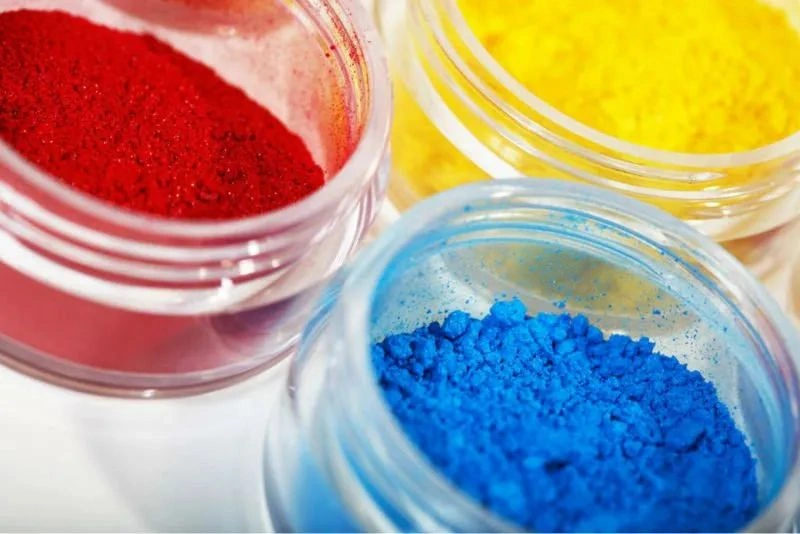
ເມື່ອບັນລຸ D₅₀ < 30 μm ດ້ວຍ PSD ແຄບ:
- ປະສິດທິພາບການສີດພົ່ນ ປັບປຸງຢ່າງຫຼວງຫຼາຍ — ການສາກໄຟ corona ທີ່ດີຂຶ້ນ, ປະສິດທິພາບການໂອນຍ້າຍຄັ້ງທຳອິດທີ່ສູງຂຶ້ນ, ການເສຍເວລາສີດພົ່ນຫຼາຍເກີນໄປໜ້ອຍລົງ
- ຄຸນນະພາບພື້ນຜິວ ບັນລຸລະດັບໃໝ່ — ເປືອກສົ້ມໜ້ອຍທີ່ສຸດ, ຟິມລຽບນຽນຫຼາຍ, ຄວາມເງົາງາມສູງຂຶ້ນ (ມັກຈະ >90 GU ທີ່ 60°), ຄວາມໂດດເດັ່ນຂອງຮູບພາບ (DOI)
- ປະຫຍັດຄ່າໃຊ້ຈ່າຍ ສະສົມ — ການໃຊ້ຜົງຫຼຸດລົງ, ການປະຕິເສດໜ້ອຍລົງ, ທ່າແຮງຄວາມໄວໃນສາຍການຜະລິດສູງຂຶ້ນ, ຜົນຜະລິດວັດຖຸດິບດີຂຶ້ນ
ສະຫຼຸບການເລືອກຄູ່ຮ່ວມງານ ACM ທີ່ເໝາະສົມ
ການເປັນຜູ້ຊ່ຽວຊານໃນການຜະລິດເຄືອບຜົງ D₅₀ < 30 μm ຕ້ອງການຫຼາຍກວ່າການຊື້ ACM - ມັນຕ້ອງການຄວາມເຂົ້າໃຈຢ່າງເລິກເຊິ່ງກ່ຽວກັບພຶດຕິກຳຂອງວັດສະດຸ, ການຕັ້ງຄ່າເຄື່ອງຈັກທີ່ຊັດເຈນ, ແລະ ການເພີ່ມປະສິດທິພາບຢ່າງຕໍ່ເນື່ອງ. ການປະສົມປະສານຂອງການບົດດ້ວຍແຮງກະທົບ, ການຈັດປະເພດແບບໄດນາມິກ, ການປະມວນຜົນເຢັນ, ແລະ ຊິ້ນສ່ວນສວມໃສ່ທີ່ກຳນົດເອງເຮັດໃຫ້ ACM ທີ່ທັນສະໄໝເປັນເທັກໂນໂລຢີທີ່ເອື້ອອຳນວຍໃຫ້ແກ່ການເຄືອບຜົງທີ່ມີປະສິດທິພາບສູງ ແລະ ລະອຽດອ່ອນລຸ້ນຕໍ່ໄປ.
ຖ້າທ່ານຕ້ອງການທີ່ຈະຍົກລະດັບຄຸນນະພາບການເຄືອບຜົງຂອງທ່ານໃຫ້ສູງຂຶ້ນໄປອີກ - ບໍ່ວ່າຈະເປັນຊັ້ນບາງໆ, ຄວາມເງົາງາມຄືກະຈົກ, ຫຼື ການເຄືອບທີ່ໃຊ້ງານໄດ້ດົນ - ຕິດຕໍ່ຜູ້ຊ່ຽວຊານດ້ານເຕັກນິກຂອງພວກເຮົາໃນມື້ນີ້. ພວກເຮົາສະເໜີການທົດສອບວັດສະດຸຟຣີ, ການວິເຄາະ PSD, ແລະ ຂໍ້ສະເໜີການຕັ້ງຄ່າ ACM ທີ່ປັບແຕ່ງໄດ້ຢ່າງຄົບຖ້ວນຕາມຄວາມຕ້ອງການດ້ານສູດ ແລະ ປະລິມານການຜະລິດຂອງທ່ານ. ໃຫ້ພວກເຮົາບັນລຸຄວາມລະອຽດ ແລະ ຄວາມສອດຄ່ອງທີ່ລູກຄ້າຂອງທ່ານຕ້ອງການ.
"ຂໍຂອບໃຈສໍາລັບການອ່ານ. ຂ້າພະເຈົ້າຫວັງວ່າບົດຄວາມຂອງຂ້ອຍຈະຊ່ວຍໄດ້. ກະລຸນາຂຽນຄໍາເຫັນຂ້າງລຸ່ມນີ້. ທ່ານອາດຈະຕິດຕໍ່ກັບຕົວແທນລູກຄ້າອອນໄລນ໌ຂອງ Zelda ສໍາລັບການສອບຖາມເພີ່ມເຕີມ."
— ປະກາດໂດຍ Emily Chen