ဇင့်ဖော့စဖိတ် (Zn₃(PO₄)₂) သည် သံချေးတက်ခြင်းကို ဆန့်ကျင်သော ရောင်ခြယ်ပစ္စည်းများ၊ အပေါ်ယံလွှာများ၊ သတ္တုများ၊ ကြွေထည်များနှင့် အချို့သော ဆေးဝါး သို့မဟုတ် ဓာတ်မြေဩဇာ အသုံးချမှုများကဲ့သို့သော စက်မှုလုပ်ငန်းများတွင် ကျယ်ကျယ်ပြန့်ပြန့် အသုံးပြုသည့် အော်ဂဲနစ်မဟုတ်သော ဒြပ်ပေါင်းတစ်ခုဖြစ်သည်။ ဤအသုံးပြုမှုများတွင် ၎င်း၏ထိရောက်မှုသည် အမှုန်အရွယ်အစား ဝိသေသလက္ခဏာများပေါ်တွင် များစွာမူတည်လေ့ရှိသည်။ မြင့်မားသောစွမ်းဆောင်ရည် အသုံးချမှုများအတွက် — အထူးသဖြင့် ခေတ်မီ သံချေးတက်ခြင်းကို ဆန့်ကျင်သော ပရိုင်းမာများ၊ အမှုန့်အပေါ်ယံလွှာများနှင့် အနုစိတ်ဓာတုဗေဒ ဖော်မြူလာများတွင် — ပရော်ဖက်ရှင်နယ် ဇင့်ဖော့စဖိတ် ကြိတ်ခွဲခြင်းဖြင့် အလယ်အလတ် အမှုန်အရွယ်အစား (D50) 7 μm ခန့်ကို ရရှိရန် ဘုံပစ်မှတ်တစ်ခု ဖြစ်လာခဲ့သည်။ ဤအနုစိတ်မှုသည် ပျံ့နှံ့မှုကို တိုးတက်ကောင်းမွန်စေပြီး၊ ပိုမိုကောင်းမွန်သော ဓာတ်ပြုမှုအတွက် မျက်နှာပြင်ဧရိယာကို တိုးမြှင့်ပေးကာ၊ အလွှာဖွဲ့စည်းမှုကို မြှင့်တင်ပေးပြီး သံချေးတက်ခြင်းကို တားဆီးပေးသည့် သာလွန်ကောင်းမွန်သော အတားအဆီးဂုဏ်သတ္တိများကို ပေးစွမ်းသည်။
ဇင့်ဖော့စဖိတ်အတွက် D50 = 7 μm ရောက်ရှိခြင်းသည် ရိုးရှင်းသောကိစ္စမဟုတ်ပါ။ ပစ္စည်းသည် ကြမ်းတမ်းသော ပုံဆောင်ခဲများ သို့မဟုတ် အခဲများအဖြစ် စတင်သည် (ကနဦး မိုးရွာသွန်းမှုနှင့် အခြောက်ခံပြီးနောက် 10–50 μm အတိုင်းအတာရှိ D50)၊ ၎င်းသည် အသင့်အတင့်မာကျောမှု (Mohs ~3–4)၊ ကြွပ်ဆတ်မှုအချို့ရှိသော်လည်း ကြိတ်ခွဲခြင်းတွင် အခဲများဖြစ်ပေါ်ခြင်းနှင့် အပူဒဏ်ခံနိုင်ရည်ရှိခြင်းတို့ကိုလည်း ပြသသည်။ ရိုးရာကြိတ်ခွဲနည်းလမ်းများသည် ထိရောက်မှု၊ အမှုန်အရွယ်အစား ဖြန့်ဖြူးမှုထက်မြက်မှု သို့မဟုတ် ညစ်ညမ်းမှုထိန်းချုပ်မှုတို့တွင် မကြာခဏ လိုအပ်ချက်များရှိသည်။
ဒါဆို၊ အဲဒါက လေအမျိုးအစားခွဲစက် (ACM — Air Classifying Mill သို့မဟုတ် classifier mill ဟုလည်း လူသိများသည်) ဤပစ်မှတ်ကို ယုံကြည်စိတ်ချစွာ အောင်မြင်ရန် အဓိက စက်ပစ္စည်းကား အမှန်တကယ်ပင်လား။ စက်မှုလုပ်ငန်းဆိုင်ရာ လက်တွေ့လုပ်ဆောင်မှုများနှင့် လက်တွေ့ကမ္ဘာ ပရောဂျက်ဒေတာများက ဟုတ်ကဲ့ဟု အကြံပြုထားသည် — ၎င်းသည် မကြာသေးမီနှစ်များအတွင်း ဤတိကျသော သတ်မှတ်ချက်အတွက် လက်တွေ့အကျဆုံးနှင့် စီးပွားရေးအရ အထိရောက်ဆုံး ဖြေရှင်းချက်များထဲမှ တစ်ခုဖြစ်လာခဲ့သည်။
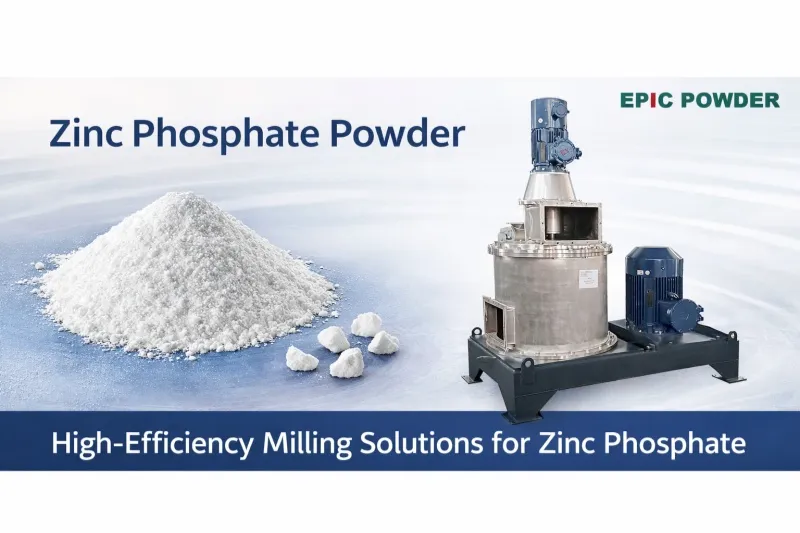
ဇင့်ဖော့စဖိတ်ကို ၁၀ μm အောက်အဆင့်အထိ ကြိတ်ခွဲရာတွင် ကြုံတွေ့ရသော စိန်ခေါ်မှုများ
D50 ≈ 7 μm ကို ပစ်မှတ်ထားသည့်အခါ ဇင့်ဖော့စဖိတ် ကြိတ်ခွဲခြင်းသည် နည်းပညာဆိုင်ရာ အခက်အခဲများစွာနှင့် ရင်ဆိုင်ရပါသည်-
- စွမ်းအင်ထိရောက်မှုနှင့် အလွန်အကျွံကြိတ်ခွဲခြင်း — ရိုးရာဘောလုံးစက်များ သို့မဟုတ် ရိုလာစက်များသည် 10 μm အောက်သို့ရောက်ရှိရန် ကြာရှည်စွာ နေထိုင်ရန် လိုအပ်ပြီး မကြာခဏ စွမ်းအင်အလွန်အကျွံသုံးစွဲမှုနှင့် အမှုန်အရွယ်အစား ဖြန့်ဖြူးမှု ကျယ်ပြန့်ခြင်း (မြင့်မားသော span တန်ဖိုးများ) ကို ဖြစ်ပေါ်စေပါသည်။
- စုပုံခြင်းနှင့် ပြန်လည်စုပုံခြင်း — အထူးသဖြင့် ဇင့်ဖော့စဖိတ်သည် အတန်ငယ် ရေငွေ့စုပ်နိုင်သောကြောင့် ဗန်ဒါဝါးလ်အားများနှင့် မျက်နှာပြင်စိုထိုင်းမှုကြောင့် အမှုန်အမွှားငယ်များ အတူတကွ ကပ်နေတတ်ပါသည်။
- အပူထုတ်လုပ်မှု — အပူချိန် အလွန်အကျွံ မြင့်တက်လာခြင်းသည် ပုံဆောင်ခဲဖွဲ့စည်းပုံ ပြောင်းလဲခြင်း၊ အရောင်ပြောင်းလဲခြင်း (ရောင်ခြယ်ပစ္စည်းများအတွက် အရေးကြီးသည်) သို့မဟုတ် သံချေးတက်ခြင်း စွမ်းဆောင်ရည် လျော့ကျခြင်းတို့ကို ဖြစ်စေနိုင်သည်။
- ကျဉ်းမြောင်းသော PSD လိုအပ်ချက် — အောက်ပိုင်းအသုံးချမှုများစွာသည် Rheology ညံ့ဖျင်းခြင်း သို့မဟုတ် ဆီစုပ်ယူမှု လွန်ကဲခြင်းကဲ့သို့သော ပြဿနာများကို ရှောင်ရှားရန် D50 = 7 μm သာမက ထိန်းချုပ်ထားသော D90 (ပုံမှန်အားဖြင့် <15–20 μm) နှင့် အနည်းဆုံး ultrafines (<1–2 μm) ကိုလည်း တောင်းဆိုပါသည်။
- ညစ်ညမ်းမှု ထိန်းချုပ်ခြင်း — သန့်စင်မှုမြင့်မားသောအဆင့်များတွင် (ဥပမာ၊ အီလက်ထရွန်းနစ်ပစ္စည်းများ သို့မဟုတ် အစားအစာထိတွေ့မှုနှင့်ဆက်စပ်သောအသုံးပြုမှုများအတွက်)၊ ကြိတ်ခွဲသည့်မီဒီယာမှ သတ္တုပွတ်တိုက်မှုကို အနည်းဆုံးဖြစ်အောင်ပြုလုပ်ရမည်။
ရေစိုဘောလုံးကြိတ်ခွဲခြင်း နောက်တွင် ဖြန်းခြောက်ခြင်းကဲ့သို့သော ရိုးရာချဉ်းကပ်မှုများသည် အမှုန်အမွှားပမာဏကို ရရှိစေသော်လည်း ရေနှင့် စွမ်းအင်ကုန်ကျစရိတ်မြင့်မားခြင်းအပြင် ရေဆိုးပြဿနာများကို ဖြစ်ပေါ်စေပါသည်။ ရေခြောက်ဘောလုံးကြိတ်ခွဲခြင်းသည် အစုအဝေးဖွဲ့စည်းခြင်းနှင့် အမျိုးအစားခွဲခြားခြင်းဆိုင်ရာ ပိတ်ဆို့မှုများနှင့် ရုန်းကန်နေကြရသည်။ ဂျက်စက်များ (အရည်ပျော်အိပ်ရာနှင့် ဆန့်ကျင်ဘက် ဂျက်စက်များ) သည် D50 2–5 μm သို့ အလွန်သန့်ရှင်းစွာ ရောက်ရှိနိုင်သော်လည်း လည်ပတ်စရိတ်များ (ဖိသိပ်ထားသောလေသုံးစွဲမှု) နှင့် 7 μm ကဲ့သို့သော အလယ်အလတ်အမှုန်အမွှားပမာဏပစ်မှတ်များအတွက် throughput နိမ့်ကျသည်။
ဤနေရာတွင် လေအမျိုးအစားခွဲခြားစက် ထင်ရှားသည်။
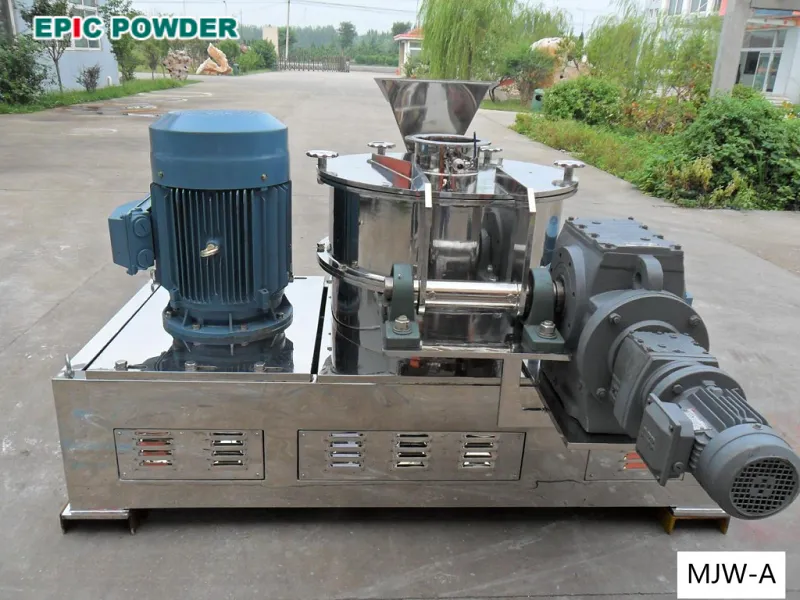
အလုပ်အခြေခံသဘောတရား Air Classifier Mill
.webp)
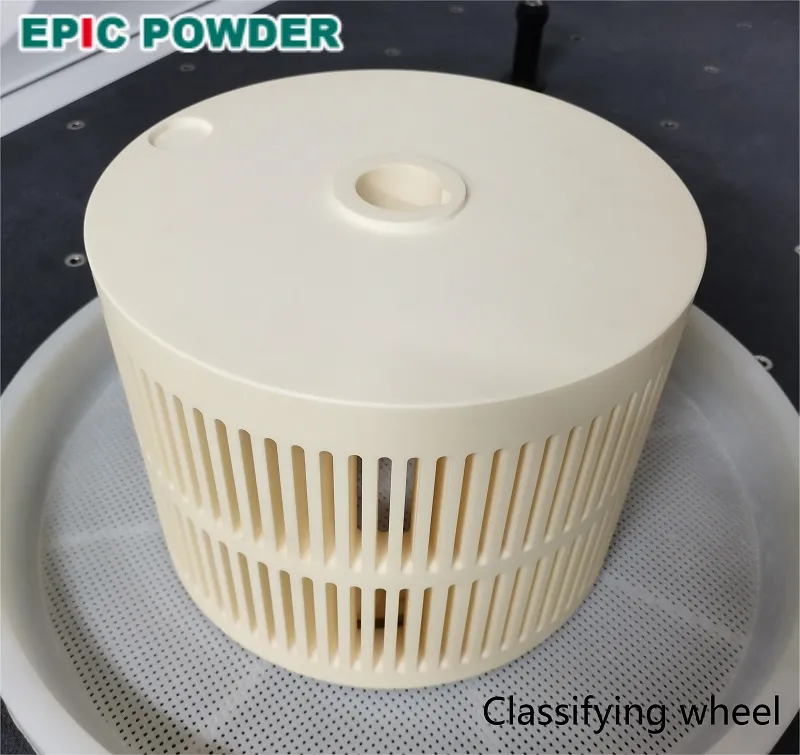
လေအမျိုးအစားခွဲခြားစက်တစ်ခုသည် စက်ပိုင်းဆိုင်ရာသက်ရောက်မှုကြိတ်ခွဲခြင်းနှင့် ဒိုင်းနမစ်လေအမျိုးအစားခွဲခြားခြင်းကို တစ်ခုတည်းသောယူနစ်တွင် ပေါင်းစပ်ထားသည်။ အဓိကအစိတ်အပိုင်းများတွင် အောက်ပါတို့ပါဝင်သည်-
- မြန်နှုန်းမြင့်ရိုတာ (တံသင်၊ တူ သို့မဟုတ် ဓါးသွားများပါသည့် beater/disc) သည် သက်ရောက်မှုနှင့် ဖြတ်အားများကို ပေးစွမ်းသည်။
- လေဝင်ပေါက်ပါသော ကြိတ်ခွဲခန်း — ပစ္စည်းကို မြန်နှုန်းမြင့် လေစီးကြောင်းထဲသို့ ထည့်သွင်းသည်။
- အတွင်းပိုင်း အမျိုးအစားခွဲခြားဘီး (deflector ဘီး သို့မဟုတ် turbo-style) — သီးခြားစီ ချိန်ညှိနိုင်သော အမြန်နှုန်းဖြင့် လည်ပတ်နေသည်။
- လေစီးဆင်းမှုစနစ် — အမှုန်အမွှားများကို သယ်ယူပို့ဆောင်ပေးပြီး အအေးပေးသည်။
လုပ်ငန်းစဉ်က အောက်ပါအတိုင်း လုပ်ဆောင်ပါတယ်-
- အစာကျွေးပစ္စည်း (များသောအားဖြင့် <1–3 မီလီမီတာအထိ ကြိုတင်ကြိတ်ခွဲထားသော) သည် စက်ရုံထဲသို့ ဝင်ရောက်သည်။
- ရိုတာသည် အမှုန်များကို တံသင်/တူ/လိုင်နာများနှင့် တိုက်မိသည် → မူလအရွယ်အစားလျှော့ချခြင်း။
- လေစီးဆင်းမှုသည် အမှုန်အမွှားများကို အမျိုးအစားခွဲခြားဘီးဆီသို့ သယ်ဆောင်သွားသည်။
- ဘီးမှ ဗဟိုခွာအားသည် ပိုကြီးသော အမှုန်အမွှားများကို အပြင်ဘက်သို့ ပစ်လွှတ်သည် → ၎င်းတို့သည် ပြန်လည်ထိမှန်စေရန်အတွက် ကြိတ်ခွဲသည့်ဇုန်သို့ ပြန်သွားသည်။
- ဗဟိုခွာအားကို ကျော်လွှားသော အမှုန်အမွှားများသည် လေစီးဆင်းမှု → ထွက်ပေါက်ကို ထုတ်ကုန်အဖြစ် လိုက်ကြသည်။
- ကြမ်းတမ်းသော အပိုင်းအစသည် ပြန်လည်လည်ပတ်သည် → ကြိတ်စက်အတွင်းတွင် ပိတ်ထားသော ဆားကစ်ကြိတ်ခွဲမှု ကွင်းဆက်ကို ဖန်တီးပေးသည်။
ဤအတွင်းပိုင်း ပြန်လည်လည်ပတ်မှုသည် စွမ်းအင်ကို အလွန်ထိရောက်စွာ အသုံးပြုနိုင်စေသည်- လိုအပ်သော ကြိတ်ခွဲခြင်းသာ ဖြစ်ပေါ်ပြီး၊ အလွန်အကျွံ ကြိတ်ခွဲခြင်းကို အနည်းဆုံးဖြစ်စေပြီး ထက်မြက်သော PSD များကို ရရှိစေပါသည်။
အနုစိတ်မှုကို အဓိကအားဖြင့် အောက်ပါအတိုင်း ချိန်ညှိသည်-
- အမျိုးအစားခွဲခြားဘီး၏အမြန်နှုန်း (ပိုမိုမြင့်မားသောအမြန်နှုန်း → ပိုမိုအသေးစိတ်ဖြတ်တောက်ခြင်း)
- လေစီးဆင်းမှုပမာဏ
- ရိုတာအမြန်နှုန်း
- အစာကျွေးနှုန်း
မော်ဒယ်များစွာအတွက် D97 အတိုင်းအတာများသည် 9–200 μm အတွင်း ရရှိနိုင်ပြီး၊ D50 တန်ဖိုးများသည် ပစ္စည်းသိပ်သည်းဆနှင့် စီးဆင်းနိုင်မှုပေါ် မူတည်၍ 3–15 μm ဒေသတွင် အများအားဖြင့် ရှိလေ့ရှိသည်။
D50 7 μm တွင် ဇင့်ဖော့စဖိတ်အတွက် Air Classifier Mills အဘယ်ကြောင့် ထူးချွန်သနည်း။
လက်တွေ့ကမ္ဘာစက်မှုလုပ်ငန်းဥပမာများက ဤစွမ်းရည်ကို ရှင်းရှင်းလင်းလင်းပြသသည်။
တရုတ်နိုင်ငံ၊ ကျန်းရှီးမြို့ရှိ မှတ်တမ်းတင်ထားသော ထုတ်လုပ်မှုလိုင်းတွင်၊ 900-series လေအမျိုးအစားခွဲခြားစက်သည် ဇင့်ဖော့စဖိတ်ကို D50 7.2 μm အထိ 500 kg/h အထွက်နှုန်းဖြင့် ပြုပြင်ထုတ်လုပ်ခဲ့သည်။ ၎င်းသည် ပစ်မှတ်နှင့် တစ်ထပ်တည်းကျပြီး စီးပွားဖြစ်ဖြစ်နိုင်ခြေကို ပြသသည်။ အလားတူရလဒ်များသည် စက်ပစ္စည်းထုတ်လုပ်သူများထံမှ ဗီဒီယိုများနှင့် ဖြစ်ရပ်လေ့လာမှုများတွင် ပေါ်လာပြီး ဤအမှုန်အမွှားဖြင့် အောင်မြင်စွာ ကြိတ်ခွဲနိုင်သော ပစ္စည်းများတွင် ဇင့်ဖော့စဖိတ်ကို စာရင်းသွင်းထားသည်။
အဓိက ပေးသွင်းသူများထံမှ နှိုင်းယှဉ်နိုင်သော စွမ်းဆောင်ရည်ဒေတာ-
- NETZSCH CSM စီးရီး- မဂ္ဂနီစီယမ်(II) ဖော့စဖိတ်သည် CSM 360 မော်ဒယ်တွင် 70–85 kg/h တွင် D90 7 μm ရရှိခဲ့သည်။ ဇင့်ဒြပ်ပေါင်းများသည် အလားတူပြုမူကြသည်။
- Hosokawa Mikro ACM: ဖော့စဖိတ်နှင့် ဇင့်အောက်ဆိုဒ်သည် D97 <20 μm သို့ ပုံမှန်ရောက်ရှိပြီး၊ မကြာခဏ D50 5–10 μm အတိုင်းအတာအထိ ရောက်ရှိလေ့ရှိသည်။
- Prater CLM နှင့် Kemutec PPS: အလားတူ အင်အော်ဂဲနစ်ဆားများအတွက် ပျမ်းမျှအရွယ်အစားများကို 5–7 μm အထိ လျှော့ချထားကြောင်း သတင်းပို့ပါ။
ဇင့်ဖော့စဖိတ်၏ အားသာချက်များတွင် အောက်ပါတို့ ပါဝင်သည်-
- Sharp PSD — အတွင်းပိုင်းခွဲခြားမှုသည် ပြင်ပခွဲခြားကိရိယာ + စက်ရုံတည်ဆောက်မှုများထက် ပိုမိုကျဉ်းမြောင်းသော ဖြန့်ဖြူးမှုများကို ဖြစ်ပေါ်စေသည်။
- အေးခဲခြင်း — မြင့်မားသောလေစီးဆင်းမှု (မော်ဒယ်ပေါ်မူတည်၍ မကြာခဏ 3000–15000 m³/h) သည် အပူကို ထိရောက်စွာ ဖယ်ရှားပေးသည်။ ထွက်ပေါက်အပူချိန်များသည် ပုံမှန်အားဖြင့် <60–80°C တွင် ရှိနေလေ့ရှိသည်။
- စီးဆင်းမှုပမာဏ — D50 ~7 μm အတွက် 200–1000+ kg/h ဖြစ်နိုင်ပြီး၊ အလားတူ အနုစိတ်မှုတွင် ဂျက်စက်များထက် များစွာသာလွန်သည်။
- ချိန်ညှိနိုင်မှု — အော်ပရေတာများသည် D90 ကို ထိန်းချုပ်ထားစဉ်တွင် 7 μm အလယ်အလတ်ကို အတိအကျရောက်ရှိစေရန် အမျိုးအစားခွဲခြားသည့်အမြန်နှုန်းကို အသေးစိတ်ချိန်ညှိနိုင်သည်။
- သီးခြားစွမ်းအင်နည်းပါးခြင်း — ဤအမှုန်အမွှားအတွက် ပုံမှန်အားဖြင့် 50–150 kWh/t အတိုင်းအတာရှိပြီး၊ ဘောလုံးစက်ပတ်လမ်းအချို့တွင် 200–500+ kWh/t ဖြစ်သည်။
အခြားနည်းပညာများနှင့် နှိုင်းယှဉ်ခြင်း
- ဘောလုံးစက် + ပြင်ပ အမျိုးအစားခွဲခြားစက် — အရင်းအနှီး စျေးသက်သာသော်လည်း စွမ်းအင်အသုံးပြုမှု မြင့်မားခြင်း၊ PSD ပိုမိုကျယ်ပြန့်ခြင်း၊ စုစည်းမှုပြဿနာများ ပိုမိုများပြားခြင်း။
- ဂျက်ကြိတ်စက် — ပိုသန့်ရှင်းသည် (မီဒီယာမပါ)၊ ပိုအသေးစိတ်လုပ်နိုင်သည် (<3 μm)၊ သို့သော် လေဖိသိပ်မှုအတွက် စွမ်းအင်ကုန်ကျစရိတ် ၃–၁၀x ပိုများသည်။ ၇ μm တွင် စွမ်းရည်နိမ့်သည်။
- ဒေါင်လိုက် ရိုလာစက် — ကြမ်းတမ်းသော ထုတ်ကုန်များအတွက် ကောင်းမွန်သော်လည်း 10 μm D50 အောက်တွင် ရုန်းကန်နေရသည်။
- အမျိုးအစားခွဲခြားကိရိယာမပါဘဲ သက်ရောက်မှုကြိတ်စက် — ကျယ်ပြန့်သော PSD၊ ဒဏ်ငွေများ အလွန်အကျွံ။
သတ်မှတ်ထားသော ဝင်းဒိုးအတွက် D50 ၅–၁၀ မိုက်ခရိုမီတာ ကောင်းမွန်သော စီးပွားရေးနှင့် ထိန်းချုပ်မှုဖြင့် လေအမျိုးအစားခွဲခြားစက်သည် မကြာခဏ အနိုင်ရလေ့ရှိသည်။
ဇင့်ဖော့စဖိတ်တွင် D50 7 μm သို့ရောက်ရှိရန် လက်တွေ့ကျသော အကြံပြုချက်များ
- ကြိုတင်ကုသမှု — ပိတ်ဆို့ခြင်းမှ ရှောင်ရှားရန် အစာကို ခြောက်သွေ့အောင်ပြုလုပ်ပြီး (<0.5% အစိုဓာတ်) <2 မီလီမီတာအထိ ကြိုတင်ကြိတ်ချေထားကြောင်း သေချာပါစေ။
- ကန့်သတ်ချက် အကောင်းဆုံးဖြစ်အောင်ပြုလုပ်ခြင်း — အလယ်အလတ် rotor မြန်နှုန်းဖြင့် စတင်ပါ၊ ပစ်မှတ်ဖြတ်တောက်မှုရရှိရန် classifier RPM ကို ချိန်ညှိပါ။ ဖြစ်နိုင်ပါက PSD ကို အွန်လိုင်းတွင် စောင့်ကြည့်ပါ (laser diffraction)။
- လေစီးဆင်းမှုနှင့် အအေးပေးစနစ် — လုံလောက်သော လေပမာဏကို အသုံးပြုပါ။ ပတ်ဝန်းကျင်ပူ/စိုထိုင်းဆရှိပါက အအေးခံလေကို ထည့်သွင်းစဉ်းစားပါ။
- စုပုံခြင်းကို ဆန့်ကျင်ခြင်း — ကြိတ်ခွဲပြီးနောက် စုပုံလာပါက စီးဆင်းမှုအထောက်အကူပြုပစ္စည်းများ (ဥပမာ ဆီလီကာ) အနည်းငယ်ထည့်ခြင်းဖြင့် အထောက်အကူဖြစ်စေနိုင်ပါသည်။
- ဝတ်ဆင်ထားသော အစိတ်အပိုင်းများ — သန့်စင်မှုမြင့်မားသော အဆင့်များတွင် ညစ်ညမ်းမှုနည်းပါးစေရန်အတွက် ကြွေထည် သို့မဟုတ် မာကျောသော အတွင်းခံများကို အသုံးပြုပါ။
- တိုးချဲ့ခြင်း — သေးငယ်သော ACM (ဥပမာ 1–5 kW) တွင် ဓာတ်ခွဲခန်း/စမ်းသပ်စမ်းသပ်မှုများသည် ထုတ်လုပ်မှုစွမ်းဆောင်ရည်ကို ယုံကြည်စိတ်ချစွာ ခန့်မှန်းနိုင်သည်။
နိဂုံးဟုတ်ကဲ့ — Air Classifier Mill က မကြာခဏဆိုသလို အဓိကကျပါတယ်။
စက်မှုလုပ်ငန်းပမာဏတွင် D50 ≈ 7 μm ကိုပစ်မှတ်ထားသော ဇင့်ဖော့စဖိတ်အတွက် တစ်ခုတည်းသော ကြိတ်စက်သည် ကမ္ဘာလုံးဆိုင်ရာ "တစ်ခုတည်းသော" ဖြေရှင်းချက်မဟုတ်သော်လည်း၊ လေခွဲခြားစက်သည် အယုံကြည်ရဆုံး၊ ထိရောက်မှုအရှိဆုံးနှင့် ကုန်ကျစရိတ်သက်သာဆုံး ရွေးချယ်မှုများထဲမှ တစ်ခုအဖြစ် သက်သေပြခဲ့သည်။ ထုတ်လုပ်မှုလိုင်းများသည် ကောင်းမွန်သော PSD ထိန်းချုပ်မှု၊ အပူစုပုံမှုနည်းခြင်းနှင့် သင့်တင့်သော စွမ်းအင်သုံးစွဲမှုတို့ဖြင့် D50 7–7.5 μm ကို ပုံမှန်ရရှိကြသည်။
သင့်အပလီကေးရှင်းသည် အထူးသဖြင့် သံချေးမတက်သော pigments သို့မဟုတ် coatings များတွင် မျှတသော စီးပွားရေးနှင့် စွမ်းဆောင်ရည်နှင့်အတူ ဤတိကျသော fineness window ကို တောင်းဆိုပါက ကောင်းမွန်စွာ ဖွဲ့စည်းထားသော air classifier mill တွင် ရင်းနှီးမြှုပ်နှံခြင်းသည် ရှေ့သို့တက်လှမ်းရန် အကောင်းဆုံးလမ်းကြောင်းဖြစ်သည်။ အမှုန့်ပြုပြင်ခြင်းနည်းပညာသည် ဆက်လက်တိုးတက်ပြောင်းလဲလာသည်နှင့်အမျှ ဤပေါင်းစပ်ကြိတ်ခွဲခြင်း-ခွဲခြားခြင်းသဘောတရားသည် ဇင့်ဖော့စဖိတ်ကဲ့သို့သော အလယ်အလတ်အဆင့် inorganic ဓာတုပစ္စည်းများအတွက် အုတ်မြစ်ချပေးသည့် အုတ်မြစ်တစ်ခုအဖြစ် ဆက်လက်တည်ရှိနေပါသည်။

"ဖတ်ရှုပေးတဲ့အတွက် ကျေးဇူးတင်ပါတယ်။ ကျွန်မရဲ့ဆောင်းပါးက အထောက်အကူဖြစ်မယ်လို့ မျှော်လင့်ပါတယ်။ အောက်မှာ မှတ်ချက်ရေးခဲ့ပေးပါ။ နောက်ထပ်မေးမြန်းစုံစမ်းလိုပါက Zelda အွန်လိုင်းဖောက်သည်ကိုယ်စားလှယ်ကိုလည်း ဆက်သွယ်နိုင်ပါတယ်။"
— တင်သူ အမ်မလီ ချန်