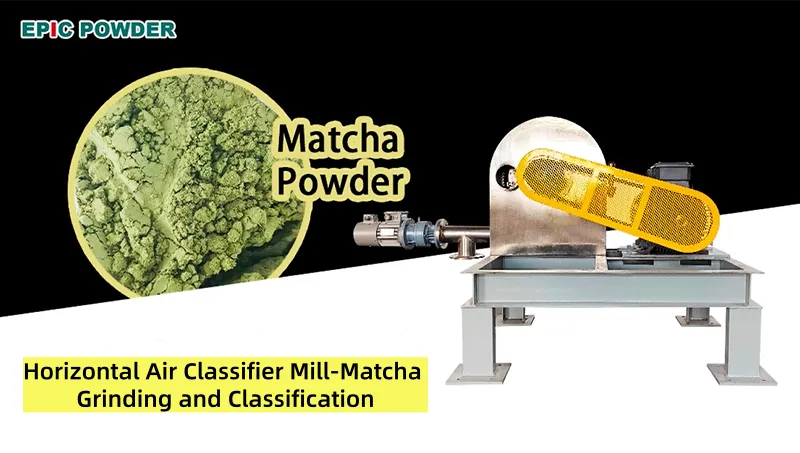
Matchapoeder is een waardevol bijproduct in de theeverwerking en wordt door consumenten gewaardeerd om zijn levendige groene kleur en rijke aroma. Bij traditionele maalprocessen leiden stijgende temperaturen, mechanische wrijving en stofverspreiding vaak tot een doffe kleur en verlies van aroma in het matchapoeder. Door de toenemende verfijning van de voedingsindustrie groeit de vraag naar ultrafijn, uniform en hoogwaardig matchapoeder. De ACM-slijpmachineMet zijn unieke maal- en classificatietechnologie wordt ACM steeds vaker toegepast in de hoogwaardige theepoederindustrie. Maar kan ACM de kleur en het aroma van premium matchapoeder wel echt behouden? Dit artikel gaat dieper in op dit onderwerp en behandelt de principes, procesoptimalisatie, casestudies en antwoorden op veelgestelde vragen.
Basisprincipes van de ACM-slijpmachine
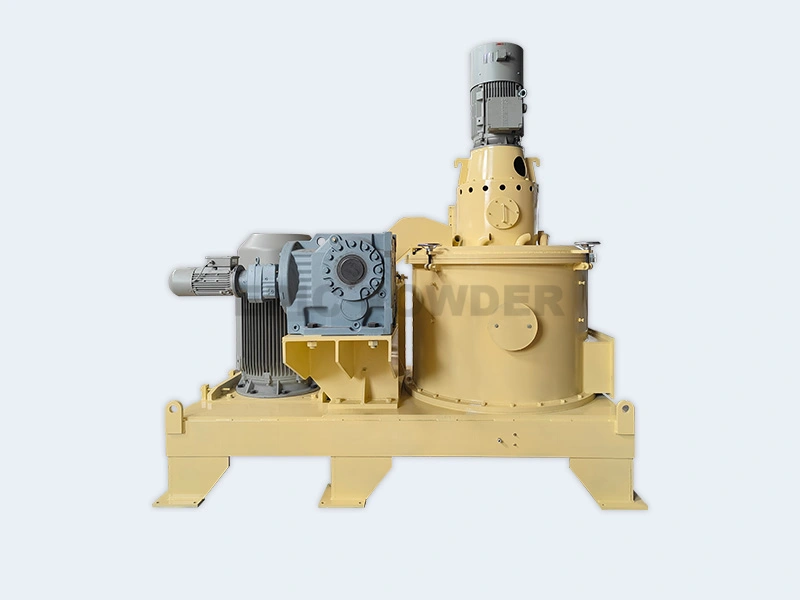
De ACM-maalmachine is een zeer efficiënte maalinstallatie die impactvergruizing op hoge snelheid combineert met luchtclassificatie.
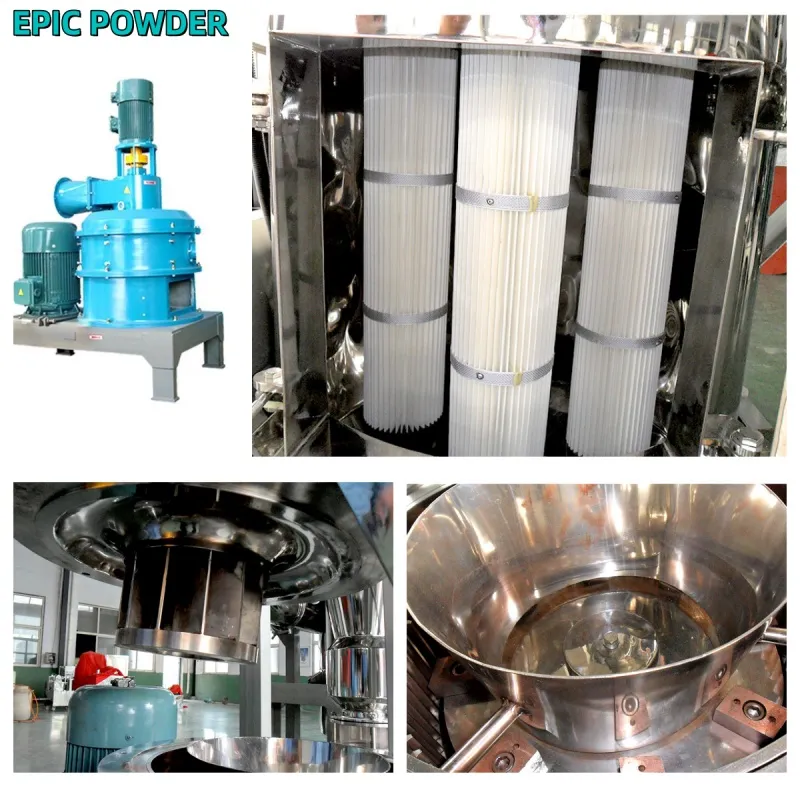
De belangrijkste onderdelen zijn:
- Hogesnelheidsroterende rotor: Maakt gebruik van centrifugale kracht om materiaal met hoge snelheid in de maalkamer te stuwen, waardoor impactvergruizing plaatsvindt.
- Ringvormig ventilator- en luchtstroomsysteem: Het apparaat transporteert materiaal via een luchtstroom en scheidt en voert tegelijkertijd poeder af dat voldoet aan de vereiste deeltjesgrootte.
- Verstelbaar classificatiewiel: Het reguleert de uiteindelijke deeltjesgrootte van het product, zorgt voor uniformiteit in de deeltjesgrootte en vermindert de agglomeratie van ultrafijn poeder.
- Koelsysteem (optioneel): Onderdrukt de temperatuurstijging tijdens het maalproces door middel van externe lucht- of vloeistofkoeling, waardoor verkleuring of verlies van aroma in warmtegevoelige materialen wordt voorkomen.
Vergeleken met traditionele kogelmolens of trilmolens, de ACM-molen Het apparaat kenmerkt zich door kortere maaltijden, geconcentreerde energie en een lagere temperatuurstijging. Dit geeft het een natuurlijk voordeel bij het behoud van de eigenschappen van warmtegevoelige materialen.
Waarom? Matchapoeder Verliest het zijn kleur en aroma?
De kleur en het aroma van matchapoeder zijn voornamelijk afkomstig van het chlorofyl en de vluchtige aromatische verbindingen in de theebladeren. De belangrijkste oorzaken van het verlies hiervan zijn:
Stijgende temperatuur
Chlorofyl is gevoelig voor oxidatie en ontbinding bij hoge temperaturen, waardoor de kleur donkerder wordt of zelfs geel. Aromatische oliën verdampen bij verhitting, waardoor het aroma verzwakt.
Mechanische wrijving
Traditionele maalmethoden, zoals kogelmolens of zandmolens, vereisen lange maaltijden en veroorzaken veel wrijving. Dit versnelt de afbraak van chlorofyl en aromatische verbindingen.
Oxidatie en blootstelling aan licht
Tijdens de verwerking wordt matchapoeder blootgesteld aan lucht en licht, waardoor het gevoelig wordt voor oxidatiereacties die ervoor zorgen dat het chlorofyl bruin kleurt.
De sleutel tot het behoud van de oorspronkelijke kwaliteit van matchapoeder ligt daarom in het minimaliseren van de temperatuurstijging, het verminderen van mechanische wrijving en het verkorten van de maaltijd.
Hoe zorgt de ACM-molen ervoor dat kleur en aroma behouden blijven?
De voordelen van de ACM-molen bij de verwerking van matchapoeder komen vooral tot uiting in de volgende aspecten:
Slijpen bij lage temperatuur
Het luchtclassificatiesysteem van ACM transporteert het poeder snel, waardoor de verblijftijd van het materiaal in de maalkamer wordt verkort. Tegelijkertijd kan de poedertemperatuur worden geregeld met behulp van koellucht of een extern koelsysteem. Hierdoor blijft de temperatuurstijging tijdens het maalproces beperkt tot 30-40 °C, wat de afbraak van chlorofyl minimaliseert.
Combinatie van impact en afschuiving
Traditionele kogelmolens vertrouwen uitsluitend op rollende beweging, terwijl ACM een gecombineerde impact- en schuifmaalmethode gebruikt. Dit resulteert in een hoge maalefficiëntie en een korte maalweg, waardoor warmteontwikkeling door langdurige wrijving wordt voorkomen. Hierdoor blijven vluchtige aromatische verbindingen behouden.
Nauwkeurige classificatie en deeltjesgroottecontrole
Het verstelbare sorteerwiel zorgt voor een uniforme deeltjesgrootte in het uiteindelijke poeder. Matchapoeder met een D90 van circa 20 micron heeft bijvoorbeeld niet alleen een gladde textuur, maar helpt ook het oppervlak dat aan oxidatie is blootgesteld te verminderen, waardoor kleurvervaging wordt vertraagd.
Gesloten transportsysteem om oxidatie te verminderen
De ACM-molen werkt in een gesloten systeem, waardoor de blootstelling van het poeder aan lucht tijdens het malen en sorteren tot een minimum wordt beperkt. Dit vermindert de oxidatie van chlorofyl en het verlies van aroma aanzienlijk.
Technische configuratieoverzicht voor de verwerking van matcha
De ACM-molen werkt in een gesloten systeem, waardoor het contact tussen het poeder en de lucht tijdens het malen en sorteren tot een minimum wordt beperkt. Dit vermindert de oxidatie van chlorofyl en het verlies van aroma aanzienlijk.
| Systeemparameter | Standaard ACM-configuratie | Geoptimaliseerde Premium Matcha-configuratie |
| Luchttemperatuur inlaat | Omgevingstemperatuur (25°C~35°C) | Gekoelde en ontvochtigde lucht (5°C~12°C) |
| Slijpelementen | Slaghamers met stompe punt / slijtvaste blokken | Geslepen pinrotoren / impactoren met hoge afschuifkracht |
| Systeem binnenbekleding | Gegroefde hardmetalen voeringen | Glad, voedselveilig en gepolijst 316L roestvrij staal |
| Materiaalbestemming | Standaard cycloonafscheider | Hygiënisch, gemakkelijk te reinigen pulsstraalfilter met antistatische filterzakken |
| Doeldeeltjesgrootte | D50: 20 ~ 45 μm | D50: 7 ~ 12 μm (D97 < 20 μm) |
Praktische toepassingsvoorbeelden
Verschillende bedrijven hebben de ACM-maaltechnologie al toegepast bij de productie van hoogwaardig matcha-poeder:
Casus 1: Een bekend matcha-merk
Deeltjesgrootte: D50 10 μm
Temperatuurstijging tijdens het malen: ≤35°C
Kleur: Helder smaragdgroen
Aromabehoudpercentage: >90% (zoals bepaald door GC-MS-analyse van vluchtige verbindingen)
Uit de resultaten blijkt dat ACM-malen niet alleen de uniformiteit van het poeder verbetert, maar ook een superieure smaak en aroma oplevert in vergelijking met traditioneel zandmalen.
Casestudie 2: Een thee-exportverwerkingsbedrijf
Door middel van een luchtkoelsysteem wordt de temperatuur van het matchapoeder onder de 40 °C gehouden.
De D90-waarde van het eindproductpoeder wordt gecontroleerd op 18 micron, wat resulteert in fijne deeltjes met uitstekende suspensie-eigenschappen.
Bij exportpartijen is het retourpercentage aanzienlijk gedaald dankzij het betere behoud van kleur en aroma.
Deze casestudies tonen aan dat ACM-molens aanzienlijke voordelen bieden bij de verwerking van hoogwaardig matcha-poeder.
Veelgestelde vragen en antwoorden
Bij de overgang van traditionele steenmolens naar industriële ACM-systemen doen zich vaak bepaalde technische uitdagingen voor. Hieronder vindt u uitgebreide antwoorden op twee belangrijke vragen:
Vraag 1: Is de ACM-molen geschikt voor alle soorten matchapoeder?
AntwoordACM-molens zijn bijzonder geschikt voor hoogwaardig matchapoeder, hoewel ze voor poeders van lagere kwaliteit te duur kunnen zijn. Voor premium matchapoeder met een D90 van 15-25 micron kunnen ACM-molens de kleur en het aroma behouden onder lage temperaturen en wrijvingsarme omstandigheden. Traditionele molens bieden echter nog steeds bepaalde voordelen wanneer ze uitsluitend worden gebruikt voor grof poeder of op productielijnen die extreem hoge verwerkingssnelheden vereisen. De optimale strategie is om het juiste model te kiezen op basis van de gewenste deeltjesgrootte, het productievolume en de kwaliteitseisen.
Vraag 2: Hoe kan het ACM-systeem worden geoptimaliseerd om de taaie vezels in theebladeren efficiënt af te breken?
Antwoord: Hoewel theebladeren delicaat zijn, bevatten hun nerven en stengels veel taaie cellulosevezels. Als de parameters van de apparatuur verkeerd zijn ingesteld, kunnen deze vezels herhaaldelijk tegen elkaar botsen en wrijven in de maalkamer, waardoor hoge temperaturen ontstaan en de apparatuur zelfs verstopt raakt. Om theevezels efficiënt te verwerken zonder oververhitting te veroorzaken, kan een drieledige aanpak worden gehanteerd:
- Aangepaste rotors: Gebruik messen met scherpe randen of getrapte voeringen om vezels snel door te snijden door een combinatie van impact en afschuiving, in plaats van met stompe kracht.
- Voorvermalen en ontstelen: Snijd eerst de theebladeren in stukjes van 1-2 mm en verwijder de harde stengels om de belasting van de theemolen te verminderen.
- Nauwkeurige regeling van de gas-vaststofverhouding: Door de schroefaanvoer aan te passen, wordt een verdunde fase met "minder materiaal en meer lucht" gehandhaafd. Hierdoor kunnen de individuele theevezels worden fijngemaakt en snel worden geëxtraheerd, waardoor het aroma maximaal behouden blijft.
Conclusie
Met zijn lage temperatuur, hoge efficiëntie, gesloten circulatiesysteem en nauwkeurige classificatiemogelijkheden is de ACM-maalmachine bij uitstek geschikt voor de verwerking van hoogwaardig matcha-poeder. Door middel van de juiste procesoptimalisatie en apparatuurconfiguratie kan de machine het volgende bereiken:
- Behoud effectief de levendige groene kleur van matchapoeder.
- Maximaliseer het behoud van vluchtige aromatische verbindingen.
- Verbeter de uniformiteit en textuur van het poeder.
- Verminder het energieverbruik en de onderhoudskosten.
Bovendien kan de ACM-molen, door stikstofbescherming te combineren met een nauwkeurige sortering, het aromabehoud verder verbeteren. Het is de ideale keuze voor de productie van hoogwaardig matchapoeder. De ACM-molen maalt niet alleen matchapoeder, maar behoudt ook de kleur en het aroma, terwijl de kwaliteit en efficiëntie van de industriële productie worden verbeterd. Dit voldoet aan de eisen van de moderne, hoogwaardige markt voor theepoeder.

"Bedankt voor het lezen. Ik hoop dat mijn artikel nuttig is. Laat gerust een reactie achter. Voor verdere vragen kunt u ook contact opnemen met de online klantenservice van Zelda."
— Geplaatst door Emily Chen