Если вы всерьез занимаетесь натрий-ионными батареями, вы не можете игнорировать биомассу. твердый углерод Предшественники. Они находятся на стыке стоимости, экологичности и производительности — и именно они определят, кто выиграет следующую волну экологически чистых анодов из твердого углерода.
Экологические преимущества использования биомассы в качестве твердого углеродного сырья
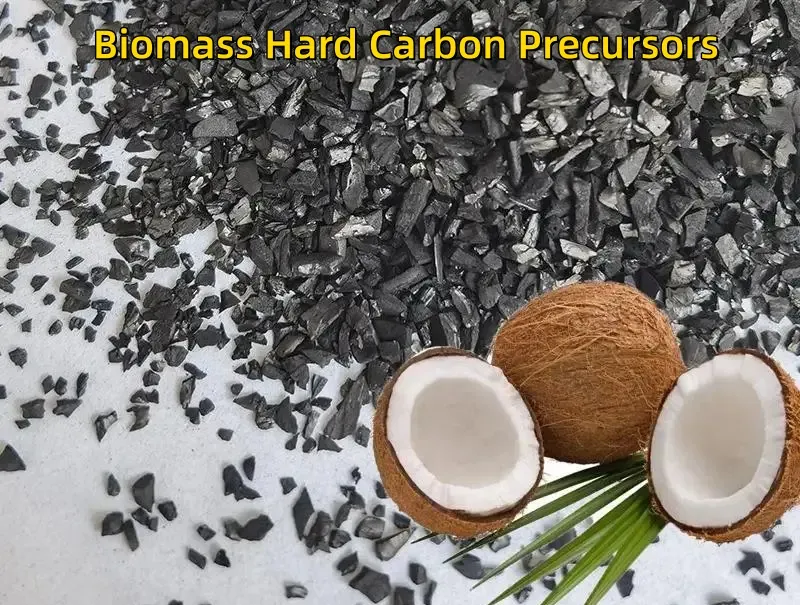
Полученный из биомассы твердый углерод позволяет нам заменить ископаемые источники углерода возобновляемыми лигноцеллюлозными источниками, такими как древесина, сельскохозяйственные отходы и другие остатки. Преимущества в области устойчивого развития реальны:
- Превращение отходов в ценностьМы перерабатываем сельскохозяйственные отходы и побочные продукты в высокоценный твердый углерод, получаемый из биомассы, вместо того чтобы сжигать или захоранивать их на свалках.
- Снижение углеродного следаБолее короткие, локальные цепочки поставок и меньшее количество нефтехимических этапов снижают содержание CO₂ по сравнению с синтетическим твердым углеродом.
- Циркулярная экономикаИспользование биомассы в качестве сырья поддерживает производство экологически чистых электродов для натрий-ионных аккумуляторов и соответствует принципам ESG и государственной политике, направленной на использование экологически чистых материалов.
Для клиентов по всему миру это не просто "приятное дополнение" — это быстро становится обязательным условием при покупке.
Стоимость и масштабируемость по сравнению с синтетическим твердым углеродом
С деловой стороны, масштабируемость биомассы и твердого углерода Это одна из главных причин, почему мы вкладываем сюда значительные средства:
- Дешевое и доступное сырьеОстатки лесозаготовок, стебли сельскохозяйственных культур, скорлупа орехов и другая биомасса широко доступны и недороги.
- Более простая система обеспечения бесперебойных поставокМеньшая подверженность колебаниям цен на нефтехимическую продукцию и влиянию поставщиков специализированного синтетического углерода.
- Использование капитальных и операционных затратБлагодаря правильной линии пиролиза биомассы для производства батарей и непрерывному измельчению (например, с помощью воздушной классификационной мельницы, D50: 20 мкм), мы можем масштабировать производство до пилотного и промышленного уровня без использования экзотического оборудования.
Для крупноформатных натрий-ионных элементов и стационарных накопителей энергии эти факторы, влияющие на стоимость, имеют большее значение, чем предельная плотность энергии.
Материальные преимущества твердого углерода, полученного из биомассы.
Грамотно разработанный углерод на основе биомассы не просто «экологичен»; он может быть лучше настроен для хранения натрия:
- Микропористый твердый углеродКонтролируемая пористость и турбостратическая структура углерода способствуют адсорбции и интеркаляции натрия.
- Расширенное межслоевое расстояниеМногие источники биомассы естественным образом обеспечивают наличие твердого углерода с увеличенным межслоевым расстоянием, что позволяет использовать его в высокоскоростных натриевых батареях.
- Гибкость химии поверхностиБлагодаря предварительной карбонизации и легированию гетероатомами мы можем подобрать функциональные группы для оптимизации начальной кулоновской эффективности и повышения стабильности циклической работы.
При правильном подходе аноды на основе биомассы демонстрируют конкурентоспособные или превосходящие характеристики по сравнению с синтетическим твердым углеродом в натрий-ионных батареях.
Основные проблемы, связанные с использованием твердых углеродных прекурсоров из биомассы.
Обратная сторона медали заключается в том, что биомасса — это по своей природе изменчивыйИ это может негативно сказаться на производительности, если вы не будете это контролировать:
- Несоответствие качества сырьяРазличные сезоны, регионы и виды растений изменяют соотношение лигнина и целлюлозы, а также выход твердого углерода в биомассе.
- Неорганические примесиЗола, щелочные металлы и минералы требуют кислотной промывки биомассы и строгого контроля качества во избежание побочных реакций в натрий-ионных аккумуляторах.
- Контроль пористости и размера частиц.Без точного контроля пористости твердого углерода и его микронизации существует риск низкого значения ICE (эффективности электрохимического эффекта), низкой насыпной плотности и неравномерной обработки электродов.
- чувствительность процессаНебольшие отклонения в процессах пиролиза, активации или измельчения могут сместить баланс между закрытыми порами, открытыми порами и площадью поверхности.
Мы строим наш процесс, исходя из этих реалий, а не вопреки им – именно так мы обеспечиваем стабильное и надежное производство твердого углерода из биомассы для анодов натрий-ионных аккумуляторов в глобальном масштабе.
Выбор подходящего прекурсора твердого углерода из биомассы
Выбор правильного прекурсора из твердого углерода биомассы — это вопрос, где производительность, стоимость и масштабируемость либо достигаются, либо теряются. В первую очередь я обращаю внимание на три фактора: органический состав (лигнин/целлюлоза/гемицеллюлоза), зола/примеси и то, насколько хорошо прекурсор подходит для нашей установки измельчения и классификации (например, целевой показатель D50 ≈ 20 мкм после микронизации).
Как лигнин, целлюлоза и гемицеллюлоза влияют на выход твердого углерода
Лигноцеллюлозная биомасса не вся одинакова. Примерное эмпирическое правило:
- Биомасса, богатая лигнином
- Более высокий выход твердого углерода после пиролиза
- Склонна к образованию более турбостратического углерода с хорошей структурной стабильностью.
- Подходит для снижения затрат и крупносерийного производства.
- Биомасса, богатая целлюлозой/гемицеллюлозой
- Более низкий выход продукции, но более контролируемая пористость и площадь поверхности.
- Может помочь оптимизировать механизмы хранения натрия и повысить производительность.
Для коммерческих натрий-ионных анодов я обычно отдаю предпочтение богатым лигнином или смешанным лигноцеллюлозным прекурсорам, где выход и стоимость килограмма твердого углерода остаются конкурентоспособными.
Древесная биомасса как предшественник твердого углерода
Древесное сырье (лиственные и хвойные породы, опилки, кора) по-прежнему остается наиболее сбалансированным вариантом:
- Естественно высокое содержание лигнин, давая хороший выход углерода
- Стабильные цепочки поставок и удобная обработка больших объемов грузов.
- Достаточно низкое содержание золы после простой предварительной обработки.
- Совместимо со стандартом Пиролиз биомассы для производства батарей и последующая микронизация
Для предприятий, стремящихся к получению стабильного порошка твердого углерода с размером частиц D50 ~20 мкм, древесная биомасса также измельчается предсказуемо и хорошо работает с пневматической классификационной мельницей, аналогичной той, что используется в других подобных установках. системы тонкой обработки пиролизной сажи работать в промышленности.
Сельскохозяйственные отходы как предшественник твердого углерода
Сельскохозяйственные отходы привлекательны, когда нам нужны экологически чистые аноды из твердого углерода с очень низкой себестоимостью сырья:
- Примеры: скорлупа орехов, рисовая шелуха, солома, багасса (жом сахарного тростника).
- Преимущества: низкая или отрицательная себестоимость, убедительные аргументы в пользу карбонизации отходов для получения энергии, соответствие принципам ESG.
- Минусы: часто более высокое содержание золы, больше неорганических примесей и более изменчивое качество.
Эти прекурсоры могут обеспечить получение качественного микропористого твердого углерода для натрий-ионных батарей, но обычно требуют более тщательной предварительной обработки и контроля содержания золы во избежание потери проводимости или побочных реакций.
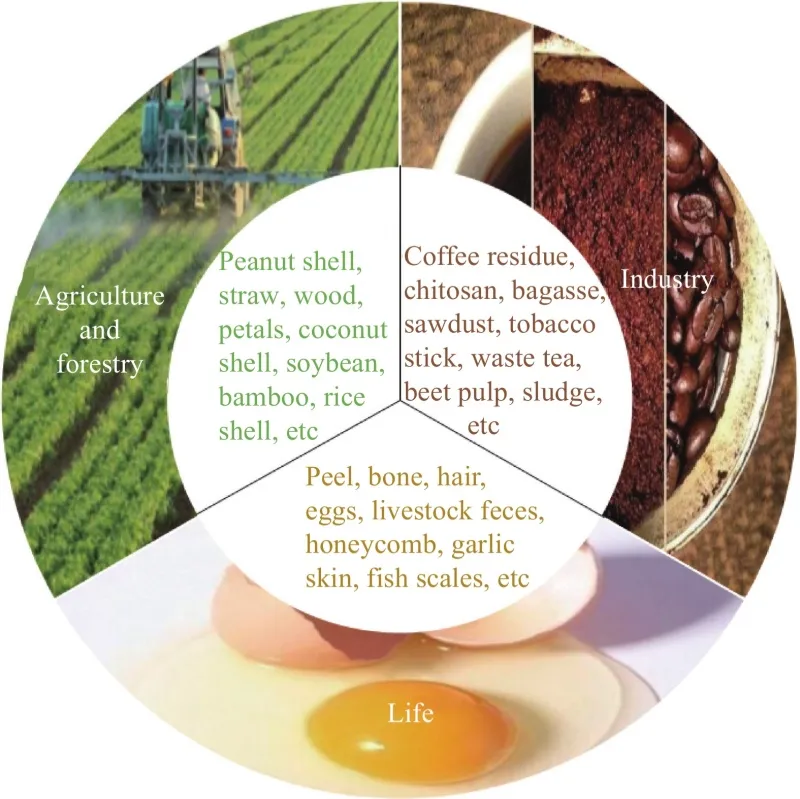
Нетрадиционные источники биомассы (кофейная гуща, пробка и т. д.)
Нетрадиционное сырье полезно для создания нишевых продуктов и дифференциации:
- Кофейная гуща, пробка, косточки фруктов, водоросли, пищевые отходы
- Внесите интересные гетероатомные элементы (N, O, S), способные естественным образом легировать углерод.
- Можно регулировать механизмы накопления натрия и скорость реакции, но при недостаточной оптимизации это может снизить начальную кулоновскую эффективность.
- Часто используется в небольших/средних масштабах, подходит для пилотных линий и производства специализированных экологически чистых электродов для натрий-ионных аккумуляторов.
Эти источники идеально подходят, если вы хотите убедительно продемонстрировать свою приверженность принципам устойчивого развития и готовы приложить дополнительные усилия к контролю производственных процессов и обеспечению стабильного качества материалов.
Влияние неорганических примесей на исходные материалы из твердого углерода, полученные из биомассы.
Если игнорировать неорганические соединения, они незаметно снижают производительность:
- Ионы металлов и зола (K, Na, Ca, Mg, Si, Fe и др.) могут:
- Катализация нежелательных реакций в процессе пиролиза
- Увеличение необратимой емкости и снижение начальной кулоновской эффективности.
- Снижает проводимость электронов и ухудшает срок службы.
- Типичные контрмеры:
- Кислотная промывка предшественников биомассы до карбонизации
- Более строгие стратегии закупки и смешивания ингредиентов.
- Корректировка параметров пиролиза для ограничения дефектов, вызванных минеральным катализатором.
В промышленном производстве я всегда отслеживаю уровни примесей в сравнении с выходом продукции, площадью поверхности и показателем ICE как основными показателями качества.
Превращение биомассы в твердый углерод: технологический процесс.
Превращение исходного твердого углеродного материала из биомассы в качественный анодный материал требует строгого контроля на каждом этапе: предварительной обработки, пиролиза, модификации, микронизации и контроля качества.
Предварительная обработка предшественников твердого углерода из биомассы
Качественный твердый углерод начинается с чистого и стабильного сырья.
- Сушка и обработка: Снизьте влажность до уровня ниже ~5–101 TP3T и стандартизируйте размер частиц для равномерного нагрева.
- Стирка: Для удаления неорганических примесей (Na, K, Ca, Si), которые ухудшают ICE и долговременную стабильность, используйте промывку водой или кислотой.
- Предварительная карбонизация: Низкотемпературная обработка (например, 300–500 °C) может повысить выход твердого углерода из биомассы и стабилизировать лигноцеллюлозные углеродные прекурсоры.
Условия пиролиза твердого углерода из биомассы
The окно пиролиза определяет особенности накопления натрия в организме.
- Температура: Обычно это 900–1400 °C, более высокая температура означает меньшее содержание кислорода, более упорядоченную турбостратную структуру углерода и меньшую пористость.
- Атмосфера: Инертный газ (N₂/Ar) используется для предотвращения окисления; скорость нагрева и время выдержки позволяют регулировать свойства микропористого твердого углерода по сравнению с более плотным углеродом.
- Цель: Увеличенное межслоевое расстояние и контролируемое закрытие пор в твердом углеродном материале для натрий-ионных батарей обеспечивают высокую емкость и неплохую начальную кулоновскую эффективность.
Усовершенствованная модификация: легирование и композиты.
Для обеспечения высокой производительности при высоких скоростях и низких температурах я бы реализовал этот функционал на раннем этапе.
- Твердый углерод, легированный гетероатомами (N, P, S, B) для регулирования электронной структуры, дефектов и мест адсорбции Na.
- Композитные материалы: Смешивание твердого углерода, полученного из биомассы, с мягким углеродом, углеродными нанотрубками или графеном позволяет повысить проводимость и механическую прочность экологически чистых анодов из твердого углерода.
Микронизация и контроль размера частиц
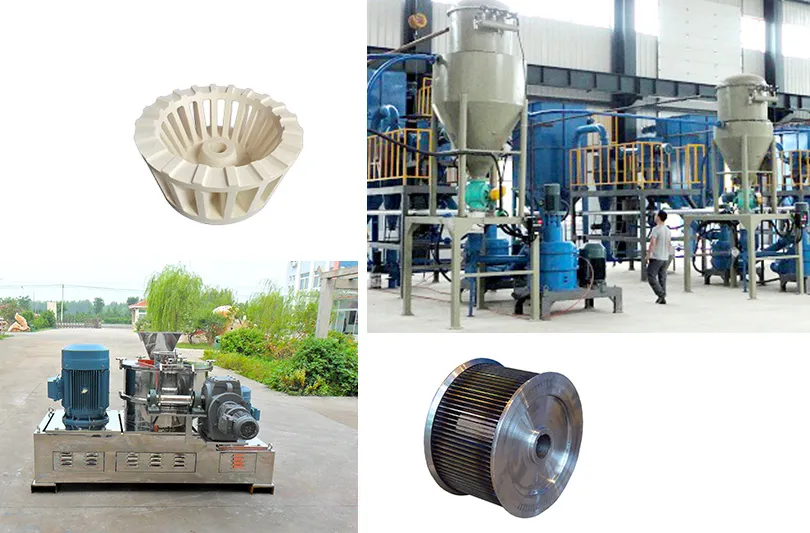
Для реальных клеток обеспечение стабильного распределения размеров пор является обязательным условием.
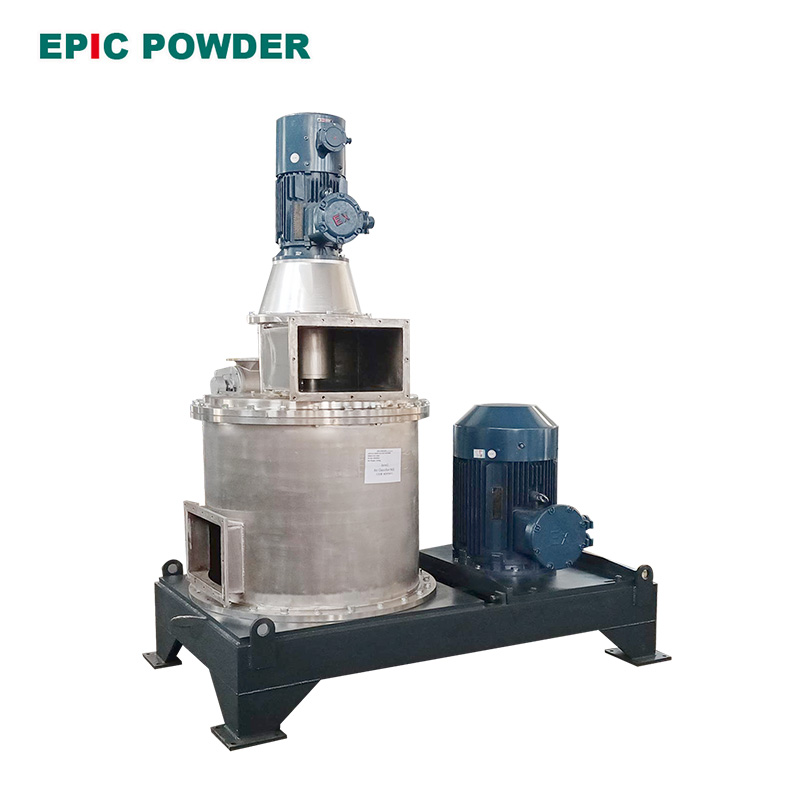
- Микронизация: Используйте мельница с воздушным классификатором для получения узкого распределения частиц по размерам (например, D50 ≈ 20 мкм твердого углеродного порошка), настроенного на реологические свойства суспензии и насыпную плотность.
- Управление с обратной связью: Такая конфигурация лабораторный воздушный классификатор идеально подходит для НИОКР, в то время как производство в промышленных масштабах Воздухоклассификаторная мельница серии MJW может обеспечить стабильную производительность и воспроизводимый размер частиц.
- Цель: Высокая плотность упаковки, малая площадь поверхности (для ICE), хорошая диспергируемость в стандартных связующих SIB.
Контрольные точки качества при производстве твердого углерода из биомассы
Я бы обеспечил качество с помощью простого, но строгого контроля качества на каждом этапе:
- Сырье: Влажность, содержание золы, элементный анализ (особенно щелочных металлов).
- Постпиролиз: Площадь поверхности по методу BET, распределение размеров пор, рентгенодифракционный анализ для определения межслоевого расстояния, рамановская спектроскопия для определения степени разупорядоченности.
- После микронизации: Распределение частиц по размерам, насыпная/уплотнительная плотность, текучесть.
- Электрохимический контроль качества: Для подтверждения пригодности каждой партии в качестве экологически чистого электродного материала для натрий-ионных аккумуляторов были проведены исследования ICE (индекса эффективности работы), обратимой емкости, скоростных характеристик и циклической работы в стандартных полуэлементах натрий-ионных аккумуляторов.
Сравнение различных предшественников твердого углерода из биомассы в натрий-ионных элементах
Различные прекурсоры твердого углерода из биомассы ведут себя совершенно по-разному в реальных натрий-ионных элементах:
- Биомасса, богатая лигнином → обычно более высокий выход углерода, хорошая способность к стабилизации, стабильная структура
- Твердый углерод на основе целлюлозы → часто большая площадь поверхности, более быстрая кинетика, но более низкий ICE
- Сельскохозяйственные отходы, твердый углерод (рисовая шелуха, скорлупа орехов и т. д.) → экономически выгодно, но необходимо контролировать наличие примесей.
- Нетрадиционные источники (кофейная гуща, пробка, морские водоросли) → регулируемая пористость и легирование гетероатомами, перспективные для экологически чистых электродов натрий-ионных аккумуляторов следующего поколения.
В сравнительных тестах элементов я бы сопоставил показатели ICE (эффективность работы двигателя), скорости разряда, долговременного сохранения заряда и выделения газа. «Лучший» лигноцеллюлозный углеродный прекурсор обычно тот, который обеспечивает баланс между стоимостью, выходом продукта и стабильными электрохимическими характеристиками, а не только пиковой емкостью.
Новые направления исследований в области анодов из твердого углерода, полученного из биомассы.
В настоящий момент наиболее интересные исследования в области использования биомассы в качестве твердого углерода для анодов натрий-ионных аккумуляторов ведутся в следующих областях:
- Твердый углерод, легированный гетероатомами (N, P, S, B) для повышения проводимости и количества активных центров
- Инженерное проектирование пористости чтобы отделить высокую пропускную способность плато от низкого ICE
- Предварительная обработка перед карбонизацией а также кислотная промывка предшественников биомассы для удаления металлов и контроля содержания золы.
- Композитные аноды (твердый углерод + мягкий углерод / графен) для повышения скорости реакции и механической стабильности.
- Масштабирование, ориентированное на процесс – интеграция карбонизации, микронизации твердого углерода и замкнутой системы пылеудаления с использованием таких систем, как высокоэффективный рукавный фильтр для более чистого и безопасного производства
По мере того, как ионы натрия все чаще используются в электросетях, двух- и трехколесных транспортных средствах, а также в недорогих системах хранения энергии, их масштабируемость становится все более очевидной. масштабируемость биомассы и твердого углерода Цифровое управление и стабильный показатель D50 обеспечат реальное конкурентное преимущество.

«Спасибо за прочтение. Надеюсь, моя статья вам поможет. Пожалуйста, оставьте комментарий ниже. Вы также можете связаться со службой поддержки Zelda Online по любым дополнительным вопросам».
— Опубликовано Эмили Чен