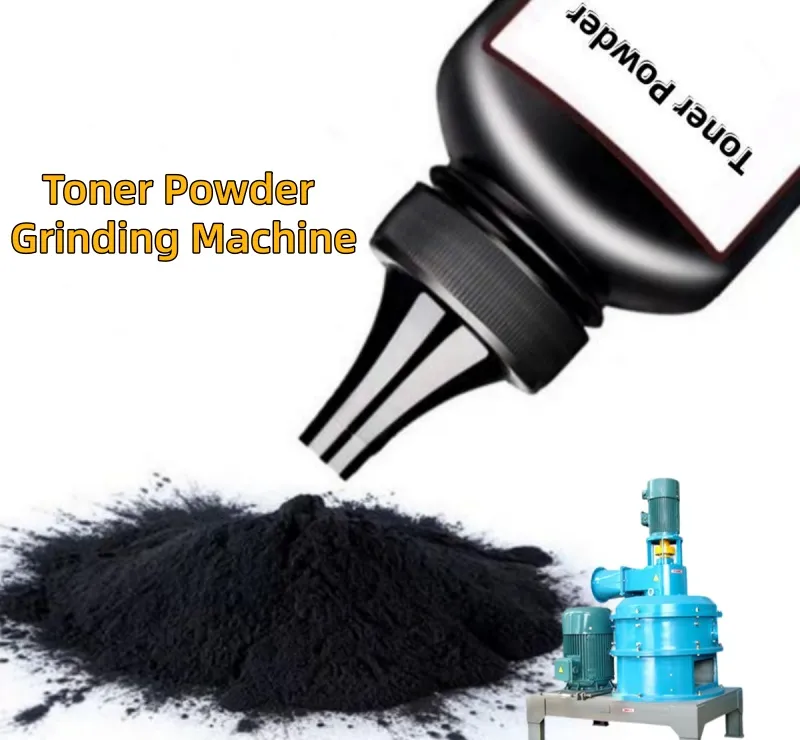
Lazer yazıcılar ve fotokopi makineleri için yüksek performanslı toner üretmek, parçacık boyutu dağılımı (PSD) üzerinde sıkı kontrol gerektirir. PSD, görüntü çözünürlüğünü, şarj kararlılığını, transfer verimliliğini, akışkanlığı ve düşük sıcaklıkta erimeyi doğrudan etkiler. Tüm öğütme teknolojileri arasında, Hava Sınıflandırıcı Değirmeni (ACM) Toner öğütme ve sınıflandırma işlemlerini tek bir kapalı sistemde aynı anda gerçekleştirebilme özelliği sayesinde ana akım çözüm haline gelmiştir.
Peki bu nasıl oluyor? ACM Bu kadar hassas parçacık boyutu kontrolü nasıl sağlanır?
Cevap, entegre tasarımında ve öğütme dinamikleri, hava akışı davranışı ve gerçek zamanlı sınıflandırma arasındaki etkileşimde yatıyor.
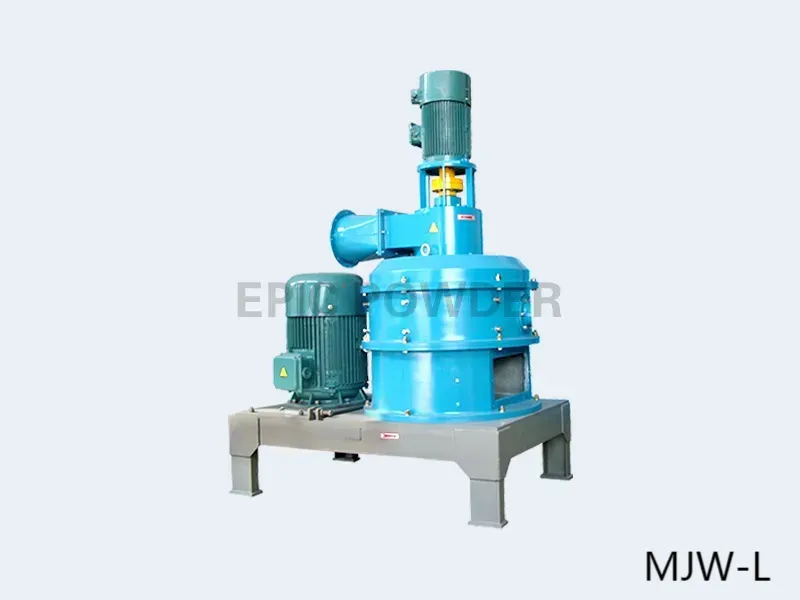
Tek Sistemde Entegre Toner Öğütme + Sınıflandırma
ACM iki işlevi bir araya getiriyor:
- Darbe taşlama bölgesi – Ham toner malzemesi (önceden karıştırılmış ve ekstrüde edilmiş polimer bloklar) öğütme haznesine beslenir. Çekiç veya pimlerle donatılmış yüksek hızlı bir rotor, 1000-8000 devir/dakika hızında dönerek parçacıkları sabit bir astar veya darbe plakasına çarptırır. Bu darbe, parçacıklar arası çarpışmalar ve kesme kuvvetleriyle birleşerek kırılgan toneri daha ince parçalara ayırır.
- Dinamik hava sınıflandırıcı – Bir üfleyici tarafından oluşturulan güçlü hava akımı, öğütülmüş partikülleri yukarı doğru, iç kısımda bulunan bir türbin sınıflandırıcıya (dinamik sınıflandırıcı çarkı) taşır. Sınıflandırıcı, hassas bir şekilde tasarlanmış kanatçıklara sahip yüksek hızlı dönen bir çarktan oluşur.
Öğütme ve sınıflandırma işlemleri eş zamanlı olarak gerçekleştiği için sistem şunları sağlar:
- İnce parçacıklar anında uzaklaştırılır.
- Öğütme bölgesinde iri parçacıklar kalır.
- Her sınıflandırma döngüsünde parçacık boyutu dağılımı daralır.
Bu "öğütme-sınıflandırma-geri dönüştürme" döngüsü, hassasiyetinin temelini oluşturmaktadır.
Ayarlanabilir Sınıflandırma Çarkı Hızı
Sınıflandırma çarkı, nihai kesme noktasını belirleyen temel bileşendir.
- Daha yüksek sınıflandırıcı hızı → daha küçük parçacıklar geçebilir
- Sınıflandırıcı hızının düşük olması → daha büyük parçacık kesme noktası
ACM, tekerlek hızını (genellikle 2000-6000 rpm) hassas bir şekilde ayarlayarak, bitmiş toneri şu şekilde ince ayarlayabilir:
- D50 değeri 5–8 μm
- Çok dar PSD
- Azaltılmış kaba atık
Bu özelliği sayesinde modern yüksek çözünürlüklü toner öğütme işlemleri için uygundur.
Kontrollü Hava Akışı Hızı Parçacık Seçiciliğini Belirler
Hava akışı çok önemlidir çünkü toner parçacıkları hava ile sınıflandırma bölgesine taşınır.
- Daha hızlı hava akışı → Santrifüj kuvveti önemli ölçüde artar. Sadece daha ince parçacıklar (daha hafif, daha küçük atalet) akışkanın sürükleme kuvvetiyle taşınabilir. Sonuç olarak: ürün parçacık boyutu daha ince olur, D50 değeri azalır ve PSD (Parçacık Boyutu Dağılımı) daralır.
- Daha yavaş hava akışı → Santrifüj kuvveti azalır. Daha iri parçacıklar da sınıflandırıcı çarktan geçebilir. Sonuç olarak: ürün parçacık boyutu daha iri hale gelir ve $D50$ değeri artar.
Operatörler, sınıflandırıcı tekerleğinin hızını hassas bir şekilde ayarlayarak, tam bir "Kesme Noktası" belirleyebilir ve böylece nihai toner ürünündeki parçacık boyutunun üst sınırını kontrol edebilirler.
Kapalı devre hava akışı sistemleriyle ACM, istikrarlı ve tekrarlanabilir ayırma performansı elde eder.
Sıcaklık Kontrolü Erimeyi ve Topaklanmayı Önler
Toner reçineleri (stiren-akrilat, polyester) termoplastiktir ve kolayca yumuşar.
ACM, aşağıdaki yöntemleri kullanarak sıkı termal kontrol sağlar:
- soğutulmuş veya şartlandırılmış hava
- optimize edilmiş rotor enerjisi
- Öğütme bölgesinde ısı üretiminin azalması
- (Bazı tasarımlarda) soğutma ceketleri
Sabit sıcaklık, aksi takdirde iri parçacıklara ve parçacık boyutu dağılımının genişlemesine neden olacak olan yumuşamayı önler.
Gerçek Zamanlı Kaba Parçacık Geri Dönüşümü
Sınıflandırıcı tarafından reddedilen iri parçacıklar hemen öğütme bölgesine geri döner.
Bu şunları sağlar:
- Son üründe aşırı büyük parçacık bulunmamaktadır.
- PSD giderek daralır.
- Enerji yalnızca gerekli olan yerlerde verimli bir şekilde kullanılır.
Sürekli geri dönüşüm döngüsü, ACM'lerin basit darbeli frezelerden daha iyi performans göstermesini sağlayan şeydir.
Aşınmaya Dayanıklı, Düşük Kirlenme Oranına Sahip Tasarım
Toner performansı kirlenmeye karşı hassastır çünkü metal aşınması triboelektrik yüklenmeyi etkiler.
Modern ACM'ler şunları kullanır:
- seramik astarlar
- polimer kaplamalar
- aşınmaya dayanıklı taşlama aletleri
Bu yöntemler, öğütme değişkenliğini azaltır ve parçacık boyutu dağılımı kontrolünü bozabilecek kirlenmeyi önler.
Çözüm
Hava Sınıflandırma Değirmeni, aşağıdaki unsurların akıllıca bir kombinasyonu sayesinde toner öğütmede hassas parçacık boyutu dağılımı kontrolü sağlar:
- entegre öğütme ve sınıflandırma
- ayarlanabilir sınıflandırıcı tekerlek hızı
- ince ayarlı hava akışı kontrolü
- sıkı termal yönetim
- sürekli iri taneli geri dönüşüm
- düşük kirlilik tasarımı
Bu özellikler, ACM'lerin modern yüksek çözünürlüklü, düşük enerjili lazer baskı teknolojilerinin taleplerini karşılayan, D50 değeri yaklaşık 5–8 μm ve dar PSD'ye sahip ultra ince toner üretmesini sağlar.
Epik Toz20 yılı aşkın süredir ultra ince toz endüstrisinde iş tecrübesine sahibiz. Ultra ince tozun kırma, öğütme, sınıflandırma ve modifikasyon süreçlerine odaklanarak, ultra ince tozun gelecekteki gelişimini aktif olarak destekliyoruz. Ücretsiz danışmanlık ve özelleştirilmiş çözümler için bizimle iletişime geçin! Uzman ekibimiz, toz işleme süreçlerinizin değerini en üst düzeye çıkarmak için yüksek kaliteli ürün ve hizmetler sunmaya kendini adamıştır. Epic Powder – Güvenilir Toz İşleme Uzmanınız!

“Okuduğunuz için teşekkürler. Umarım makalem yardımcı olmuştur. Lütfen aşağıya yorum bırakın. Ayrıca daha fazla sorunuz için Zelda çevrimiçi müşteri temsilcisiyle iletişime geçebilirsiniz.”
— Gönderen Emily Chen