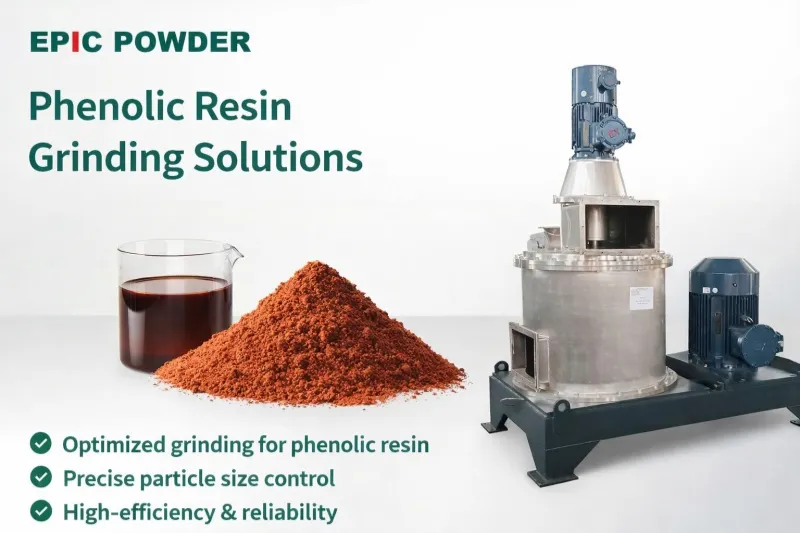
Toz boya öğütme işlemi sırasında reçine bozulması, beklenmedik kırılganlık veya yüzey kalitesinde düşüş mü fark ediyorsunuz? Üretiminizde aşırı ısınma meydana geliyorsa, polyester veya epoksi gibi ısıya duyarlı reçinelerinize sessizce zarar vererek kısmi kürleşme, zayıf akış ve tutarsız partikül boyutu gibi sorunlara yol açabilir. Çözüm, daha akıllı öğütme teknolojisinde yatıyor—ısıya duyarlı tozlar için Hava Sınıflandırıcılı Değirmen, düşük sıcaklıkta öğütme ve hassas partikül boyutu dağılımı kontrolü ile ısıyı önemli ölçüde azaltarak çığır açan bir çözüm sunuyor. Reçine kalitenizi korumanın ve toz boya performansınızı artırmanın anahtarının Epic Powder hava sınıflandırıcılı değirmene geçmek olabileceğini öğrenmek için okumaya devam edin.
Toz Boya Üretiminde Aşırı Isınmayı Anlamak
Toz boyalarınızda öğütme aşamasından kaynaklanan sorunlar fark ettiniz mi? Öğütme sırasında aşırı ısınma, özellikle ısıya duyarlı toz boyalarda sık karşılaşılan bir sorundur. Geleneksel öğütme makinelerinde sürtünme ve mekanik darbe önemli miktarda ısı üretir. Bu ısı birikimi sadece küçük bir rahatsızlık değil, reçinenizin kalitesini doğrudan etkiler.
Reçine aşırı ısındığında, değirmenin içinde kısmi kürleşmeye uğrayabilir. Bu durum, termoplastik özelliğin kaybına yol açar; yani toz, uygulama sırasında artık düzgün bir şekilde eriyip akamaz. Yapışma azalır, parlaklık düşer ve erken çapraz bağlanma meydana gelebilir; bu da son kaplamanın performansını ciddi şekilde tehlikeye atar.
Ancak sorun burada bitmiyor. Aşırı ısınma, tutarsız parçacık boyutu dağılımına da yol açarak elektrostatik uygulamayı olumsuz etkiliyor. Toz topaklanabilir veya doğru şekilde yüklenmeyebilir, bu da düzensiz film kalınlığına ve daha yüksek hurda oranlarına neden olur. Bu temel nedeni anlamak, toz boya öğütme sürecinizi iyileştirmek ve nihai ürünlerinizin kalite standartlarını sürekli olarak karşılamasını sağlamak için çok önemlidir.
Geleneksel Öğütme İşlemlerinde Isı Oluşumunun Yaygın Nedenleri
Toz boya öğütme işlemi sırasında ısı oluşumu esas olarak geleneksel çekiçli ve bilyalı değirmenlerin içindeki mekanik darbe ve yoğun kesme kuvvetlerinden kaynaklanır. Bu değirmenler, parçacıkları vurarak ve ezerek çalışır; bu da çok fazla sürtünme ve dolayısıyla ısı üretir.
Bir diğer faktör ise uzun bekleme süresidir. Büyük boyutlu parçacıklar genellikle birden fazla geçiş veya yeniden öğütme gerektirir; bu da malzemenin değirmen içinde daha uzun süre kalmasına ve ısı birikiminin artmasına neden olur. Bunun yanı sıra, birçok geleneksel değirmenin hava akışı sınırlıdır ve soğutma mekanizmaları zayıftır; bu nedenle üretilen ısı dağılmak yerine birikme eğilimindedir.
Bu koşullar özellikle ısıya duyarlı toz boyalar için risklidir. Hassas reçineler ve katkı maddeleri aşırı ısı altında bozulabilir; bu da öğütme sırasında reçine bozulmasına, kısmi kürlenme sorunlarına veya termoplastiklik kaybına yol açabilir. Bu nedenle, öğütme sırasında ısıyı yönetmek, toz boyaların kalitesini ve performansını korumak için çok önemlidir.
Öğütme işleminde daha iyi soğutma havası ve daha iyi ısı kontrolü sağlayan bir çözüm için, aşağıdaki seçenekleri değerlendirebilirsiniz. MJW Hava Sınıflandırıcı DeğirmenleriHassas malzemelerin düşük sıcaklıkta taşlanması için tasarlanmış olan bu ürünler.
Hava Sınıflandırma Değirmenleri Aşırı Isınma Sorununu Nasıl Çözüyor?
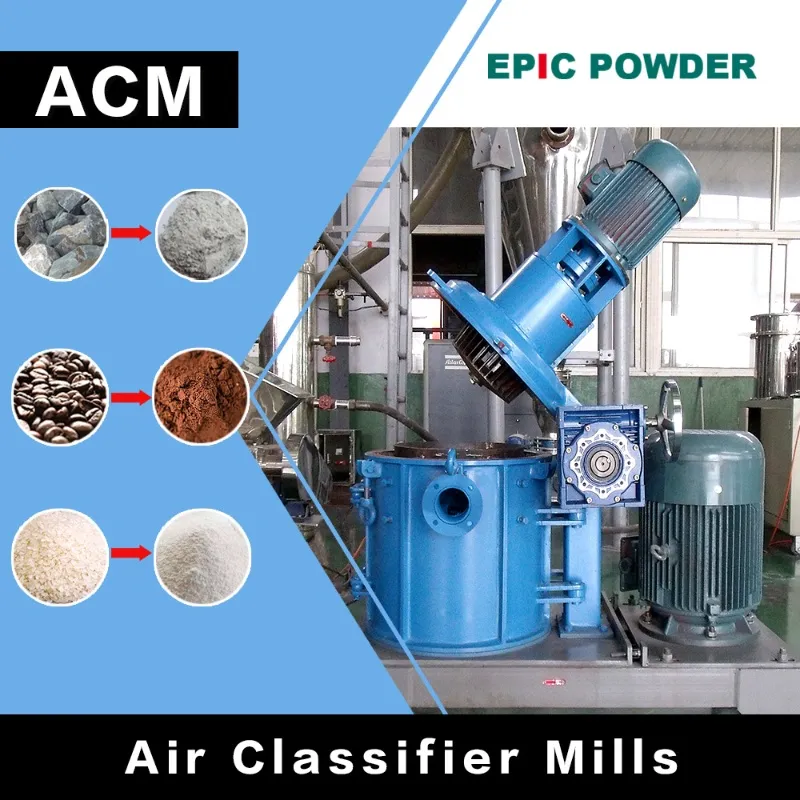
Hava sınıflandırıcılı değirmenler, darbeli öğütmeyi dinamik hava sınıflandırmasıyla birleştirerek aşırı ısınma sorununu çözer. Bu yaklaşım, öğütme sırasında sıcaklığı kontrol eder ve ısıya duyarlı toz boyaları ve reçine kalitesini korur.
| Özellik | Tanım | Fayda |
|---|---|---|
| Sürekli yüksek hacimli hava akışı | Öğütme bölgesini sıcak havayı dışarı atarak serin tutar. | Öğütme sıcaklığını düşürür |
| Kısa malzeme kalma süresi | Toz, değirmen içinden hızla geçiyor. | Isı birikimini azaltır |
| Para cezalarının derhal kaldırılması | İnce parçacıklar ayrıştırılır ve derhal uzaklaştırılır. | Aşırı öğütmeyi ve ısınmayı önler. |
Bu tasarım, öğütme bölgesi sıcaklıklarının geleneksel çekiçli veya bilyalı değirmenlere göre önemli ölçüde daha düşük olduğu anlamına gelir. Isıya duyarlı reçineler için bu, öğütme sırasında reçine bozulmasını, kısmi kürleşmeyi ve termoplastiklik kaybını önler. Reçine reaktivitesini koruyarak, güçlü yapışma ve optimum kürleşme sağlar.
Bu teknolojinin ısıya duyarlı malzemelere nasıl uygulanabileceği hakkında daha fazla bilgi için, ayrıntılı yetenekler bölümüne bakın. Epic Powder hava sınıflandırıcı değirmeni Toz boyaların kalitesini düşük sıcaklıkta taşlama yoluyla korumak için özel olarak tasarlanmıştır.
Toz Boyalar İçin Hava Sınıflandırmalı Değirmenlerin Başlıca Avantajları
Hava sınıflandırıcılı değirmenler, ayarlanabilir D50 ve D97 değerleriyle dar bir parçacık boyutu dağılımı (PSD) elde etmek için çok önemli olan hassas parçacık boyutu kontrolü sunar. Bu kontrol seviyesi, tozun akışkanlığını doğrudan iyileştirerek daha iyi uygulama performansı ve daha tutarlı kaplama filmleri sağlar.
Bir diğer önemli avantaj ise kirlenmenin azalması ve bakım ihtiyacının düşmesidir. Daha az aşınma parçası ve öğütme işleminde verimli soğutma havası sayesinde, bu değirmenler arıza sürelerini en aza indirir ve toz boyaların kalitesini düşürebilecek safsızlıklardan arındırılmasını sağlar. Ayrıca, hava sınıflandırıcılı değirmenler, ürün kalitesinden ödün vermeden daha yüksek verim sağlayabilir, bu da onları büyük ölçekli üretim için ideal hale getirir.
Çok yönlülükleri de öne çıkıyor; ısıya duyarlı toz boyalar da dahil olmak üzere çeşitli reçine sistemleri ve katkı maddeleriyle iyi çalışıyorlar. Bu esneklik, özel formülasyon ihtiyaçlarınız ne olursa olsun, reçine bütünlüğünü koruyabileceğiniz ve öğütme işleminizi optimize edebileceğiniz anlamına gelir.
Seçenekleri araştıran veya ekipmanlarını yükseltmek isteyenler için, toz boyalar için özel olarak tasarlanmış hava sınıflandırıcılı değirmen çeşitlerine göz atmak akıllıca bir hareket olabilir; bu yazıda yer alanlar gibi. hava sınıflandırıcı değirmen ürün kategorisi.
Gerçek Dünya Karşılaştırması: Hava Sınıflandırmalı Değirmenler ve Geleneksel Değirmenler
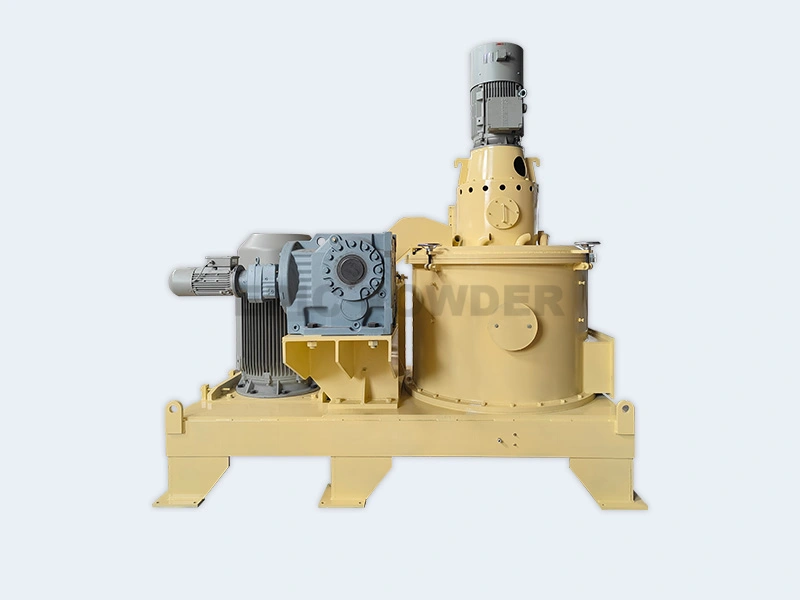
Hava Sınıflandırmalı Değirmen (ACM) ile geleneksel çekiçli veya bilyalı değirmenler karşılaştırıldığında, sıcaklık kontrolü ve reçine kalitesindeki farklılıklar açıkça görülmektedir.
| Özellik | Geleneksel Değirmenler | Hava Ayırıcı Değirmeni |
|---|---|---|
| Öğütme Bölgesi Sıcaklığı | Sürtünmeden kaynaklanan yüksek ısı birikimi | Soğuk hava akımıyla daha düşük sıcaklıklar |
| Reçine Kalitesi | Reçine bozulması, kısmi kürleşme, parlaklık kaybı riskleri | Reçinenin bütünlüğünü korur, parlaklığı daha iyi muhafaza eder. |
| Film Tekdüzeliği | Düzensiz parçacık boyutu, tutarsız filmlere neden olur. | Dar parçacık boyutu dağılımı, homojen film kalınlığı sağlar. |
| Hata Oranı | Aşırı ısınma sorunlarıyla daha yüksek oranlar | Önemli ölçüde daha az kusur |
| Enerji Verimliliği | Daha uzun öğütme ve yeniden öğütme süreleri nedeniyle daha yüksek enerji tüketimi. | Daha az enerji tüketimiyle daha verimli. |
| Operasyonel Maliyetler | Bakım ve hurdaya ayırma nedeniyle artış gösterdi. | Daha düşük bakım maliyeti, daha az atık. |
Gerçek uygulamalarda, ACM sistemleri kontrollü ısı ve hassas parçacık boyutu dağılımı sayesinde daha iyi parlaklık koruma ve tutarlı film kalitesi sergiler. Bu da daha az fire ve daha pürüzsüz uygulamalar anlamına gelir. Kullanıcılar ayrıca ACM'lerin yüksek verimlilikle çalıştığı için enerji tasarrufu sağladıklarını da belirtiyorlar.
Örneğin, ACM'lerdeki iyileştirilmiş sıcaklık kontrolü, geleneksel değirmenlerde yaygın olan erken çapraz bağlanmayı ve reçine bozulmasını önleyerek, elektrostatik uygulama ve kürlemede daha güvenilir tozlar elde edilmesini sağlar. Bu avantajlar, zaman içinde üretim maliyetlerinde gözle görülür bir düşüşe yol açar.
Hava sınıflandırıcılı bir değirmenin toz boyaların ötesinde öğütme işlemlerini nasıl geliştirdiğini görmek istiyorsanız, buna göz atın. Hava sınıflandırıcılı değirmen, piroliz karbon siyahının ince işlenmesini hızlandırıyor.Bu da ısıya duyarlı uygulamalarda benzer faydaları vurgulamaktadır.
Epic Powder'ın Hava Sınıflandırma Değirmenleri Neden Öne Çıkıyor?
Epic Powder'ın hava sınıflandırıcılı öğütme makineleri, ısıya duyarlı toz boya üretimindeki en zorlu zorlukların üstesinden gelmek için tasarlanmıştır. Gelişmiş tasarım özellikleri arasında, hassas parçacık boyutu dağılımını sağlarken ısı birikimini en aza indiren optimize edilmiş rotor ve sınıflandırıcı entegrasyonu yer almaktadır. Geliştirilmiş soğutma hava akışı sistemleri, ultra ince öğütme sırasında sıcaklıkları aktif olarak yöneterek reçine kalitesini korur ve öğütme sırasında bozulmayı önler. Ayrıca, öğütme makineleri, toz boya formülasyonlarında yaygın olarak kullanılan aşındırıcı katkı maddelerini işleyebilecek sağlam malzemelerden üretilmiştir.
Epic Powder'ın ekipmanlarının çeşitli toz boya uygulamalarındaki kanıtlanmış performansı, daha iyi parlaklık koruma, istikrarlı yapışma ve düzgün film kalınlığı gibi güvenilir ve tutarlı sonuçlar elde etmenizi sağlar. Ayrıca, belirli reçine türleri ve üretim ölçekleri için değerli özelleştirme seçenekleri sunarak, benzersiz ihtiyaçlarınızı karşılayacak çözümler geliştirirler.
Bunun da ötesinde, Epic Powder kapsamlı testler, sorunsuz kurulum ve hızlı yanıt veren satış sonrası hizmetiyle geçişinizi destekler. Bu, düşük sıcaklıkta taşlama işlemine geçişinizin sorunsuz ve etkili olmasını ve toz boya öğütme işleminizde ölçülebilir iyileştirmeler sağlamasını garanti eder.
Toz boya kaplamalarındaki hassas taşlama yeteneklerine dair detaylı bilgi için lütfen aşağıdaki bağlantıya göz atın. İspanya'da toz boyalar için ince taşlama projesi Epic Powder'ın hava sınıflandırıcılı değirmeninin avantajlarını uygulamada görmek için.
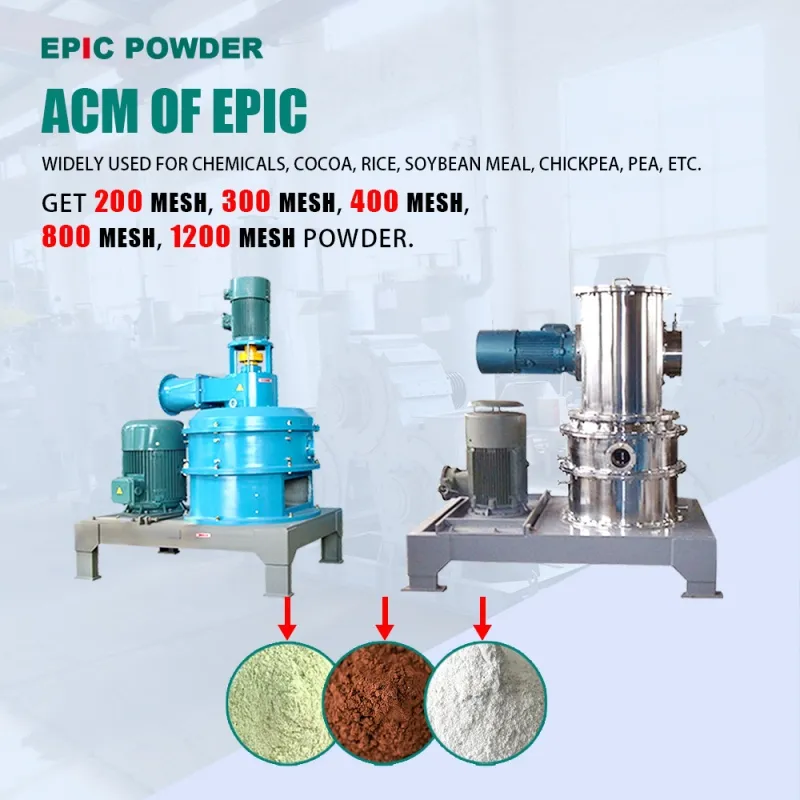
Hava Sınıflandırmalı Değirmen Sistemine Geçiş İçin Uygulama İpuçları
Hava sınıflandırıcılı değirmene (ACM) geçiş, aşırı ısınmayı azaltarak ve reçine bütünlüğünü koruyarak ısıya duyarlı toz boyalarınızın kalitesini önemli ölçüde artırabilir. Geçişi sorunsuz ve etkili hale getirmek için, öncelikle mevcut toz boya öğütme işleminizi değerlendirin. Yüksek öğütme bölgesi sıcaklıkları, reçine bozulması veya düzensiz parçacık boyutu dağılımı (PSD) gibi ısıya bağlı sorunları belirleyin.
Kurulum sırasında ve sonrasında izlenmesi gereken temel parametreler şunlardır:
- Sıcaklık: Öğütme bölgesinin sıcaklıklarını yakından takip ederek düşük sıcaklıkta öğütmenin sürdürülmesini sağlayın. Bu, reçinelerin kısmi kürlenmesini veya erken çapraz bağlanmasını önlemeye yardımcı olur.
- Parçacık Boyutu Dağılımı (PSD): Toz akışkanlığını ve uygulama performansını artırmak için, dar bir parçacık boyutu aralığıyla hassas kontrolü doğrulamak amacıyla parçacık boyutu dağılımını (PSD) düzenli olarak ölçün.
- Verim: Üretim hacmini takip ederek, aşırı ısınmayı veya üretim kapasitesinden ödün vermeyi önleyerek frezeleme hızı ve kalite arasında denge kurun.
Isı kontrolünü en üst düzeye çıkarmak ve toz boyaların kalitesinin tutarlı olmasını sağlamak için, işletme ve bakımda aşağıdaki en iyi uygulamaları izleyin:
- Hava akışını optimize edin: Öğütme işleminde soğutma havasının sürekli ve öğütme bölgesinden ısıyı hızlı bir şekilde uzaklaştıracak kadar yeterli olduğundan emin olun.
- Hava filtrelerini ve emme fanlarını düzenli olarak temizleyin: Torba filtreler ve emme fanları gibi sistem bileşenlerinin düzgün bakımı, hava akışı kısıtlamalarını ve aşırı ısınmayı önler.
- Uzun süreli konaklamalardan kaçının: Uzun süreli mekanik darbe ve kesme kuvvetlerinin neden olduğu ısı birikimini azaltmak için malzeme tutma ve yeniden öğütme işlemlerini en aza indirin.
- Planlı bakım: Rotor ve sınıflandırıcı entegrasyon parçalarının rutin kontrolleri, aşınmayı önler ve sistem performansını korur.
Sorunsuz bir yükseltme için, ACM'nizi özel reçine sistemlerinize ve üretim ölçeklerinize göre yapılandırmanıza yardımcı olabilecek uzmanlara danışmayı düşünün. Ayrıca, ısı yönetimini ve tutarlı toz boya kalitesini destekleyen entegre yüksek verimli öğütme ve sınıflandırma çözümü gibi gelişmiş kontrol seçeneklerini incelemenin de faydalı olduğunu görebilirsiniz.
Optimum hava akışını ve sistem çalışmasını sürdürme konusunda daha fazla bilgi için, bu ayrıntılı genel bakışa bakın. torba filtre bakımı ve verimli emme fanı sistemleriBu bileşenler, toz boya frezeleme işleminde aşırı ısınmayı kontrol etmek ve üstün reçine kalitesini sağlamak için hayati öneme sahiptir.

“Okuduğunuz için teşekkürler. Umarım makalem yardımcı olmuştur. Lütfen aşağıya yorum bırakın. Ayrıca daha fazla sorunuz için Zelda çevrimiçi müşteri temsilcisiyle iletişime geçebilirsiniz.”
— Gönderen Emily Chen