
Ο ενεργός άνθρακας με βάση τον άνθρακα χρησιμοποιείται ευρέως στην επεξεργασία νερού, στον καθαρισμό του αέρα και στη βιομηχανική κατάλυση. Αυτό οφείλεται στην καλά αναπτυγμένη δομή πόρων και στις ανώτερες ιδιότητες προσρόφησης. Πρόσφατα, Επική σκόνη παρείχε μια εξατομικευμένη λύση εξαιρετικά λεπτής άλεσης ενεργού άνθρακα με βάση τον άνθρακα για έναν Αυστραλό πελάτη. Αυτή η λύση τους βοήθησε να ενισχύσουν την ανταγωνιστικότητα των προϊόντων ενεργού άνθρακα τους στην αγορά.
Ιστορικό Έργου
Ο Αυστραλός πελάτης είναι ένας γνωστός τοπικός προμηθευτής υλικών προστασίας του περιβάλλοντος, που ειδικεύεται σε ενεργό άνθρακα υψηλής ποιότητας με βάση τον άνθρακα. Για να ανταποκριθεί στις αυστηρές απαιτήσεις συγκεκριμένων βιομηχανικών συστημάτων φιλτραρίσματος όσον αφορά την ταχύτητα αντίδρασης και την απόδοση προσρόφησης, ο πελάτης χρειάστηκε να βελτιώσει περαιτέρω τα σωματίδια ενεργού άνθρακα που χρησιμοποιεί.
Βασικές απαιτήσεις:
- Προδιαγραφή μεγέθους σωματιδίωνΤο τελικό προϊόν πρέπει να φτάσει σε μέγεθος D90: 45μm, με κατανομή μεγέθους σωματιδίων (PSD) όσο το δυνατόν πιο συγκεντρωμένη.
- Υψηλή απόδοση και εξοικονόμηση ενέργειαςΗ διαδικασία πρέπει να επιτυγχάνει εξαιρετικά λεπτή άλεση διατηρώντας παράλληλα ελεγχόμενη κατανάλωση ενέργειας για τη μείωση του κόστους παραγωγής.
- Ανθεκτικότητα ΕξοπλισμούΔεδομένου ότι ο ενεργός άνθρακας είναι λειαντικός, ο εξοπλισμός πρέπει να διαθέτει ισχυρή αντοχή στη φθορά για να διασφαλίζεται η μακροπρόθεσμη σταθερή λειτουργία.
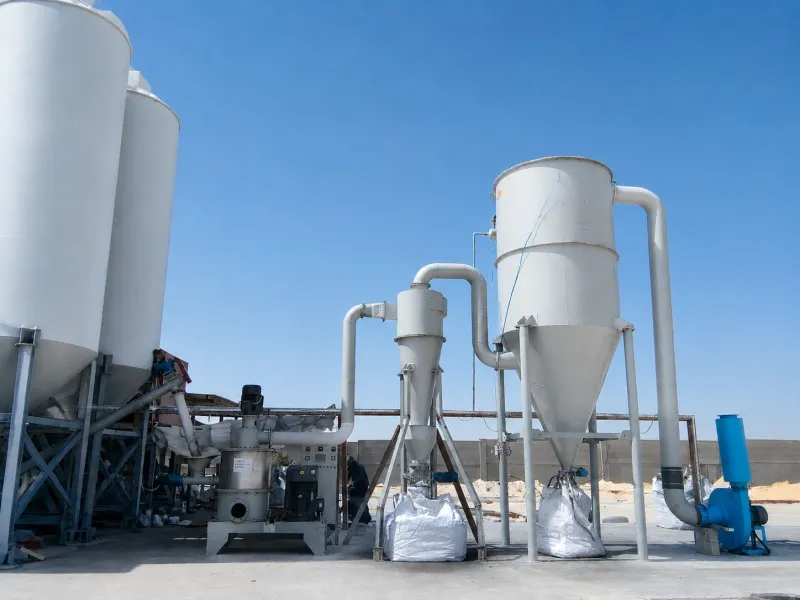
Τεχνική Λύση για Υπερλεπτή Άλεση Ενεργού Άνθρακα με Βάση τον Άνθρακα
Με βάση τα χαρακτηριστικά των υλικών και τους στόχους του πελάτη, η Epic Powder συνέστησε το Σειρά MJW Μύλος Ταξινόμησης Αέρα (ACM)Αυτός ο εξοπλισμός ενσωματώνει την άλεση και την ταξινόμηση σε ένα ενιαίο σύστημα, καθιστώντας τον την ιδανική επιλογή για την επεξεργασία υλικών μεσαίας σκληρότητας.
- Εξοπλισμός: Μύλος ταξινόμησης αέρα σκόνης Epic (ACM).
- Ροή ΔιαδικασίαςΤο υλικό εισέρχεται στον θάλαμο άλεσης μέσω ενός συστήματος ποσοτικής τροφοδοσίας. Στη συνέχεια, κονιορτοποιείται με κρούση, διάτμηση και συγκρούσεις. Αυτές οι δυνάμεις ασκούνται μεταξύ των σφυριών που περιστρέφονται υψηλής ταχύτητας και των επενδύσεων.
- Ταξινόμηση ακριβείαςΤο σύστημα διαθέτει ενσωματωμένο τροχό κατακόρυφης ταξινόμησης. Αναχαιτίζει με ακρίβεια σωματίδια μεγαλύτερα από 45μm ρυθμίζοντας την ταχύτητα περιστροφής. Αυτά τα σωματίδια επιστρέφουν στη ζώνη λείανσης για να διασφαλιστεί ότι το τελικό D90 θα πετύχει με συνέπεια τον στόχο.
- Έλεγχος και προστασία θερμοκρασίαςΓια την πνευματική μεταφορά χρησιμοποιείται ροή αέρα μεγάλου όγκου. Αυτή η ροή αέρα απομακρύνει αποτελεσματικά τη θερμότητα που παράγεται κατά την άλεση. Αυτή η διαδικασία προστατεύει τη δομή των πόρων του ενεργού άνθρακα από θερμική βλάβη.
Πειραματικά Δεδομένα & Αποτελέσματα
Μετά από πολλαπλές δοκιμές στο κέντρο δοκιμών Epic Powder, τα τελικά λειτουργικά δεδομένα που παραδόθηκαν στον πελάτη ήταν τα εξής:
| Είδος | Απαίτηση Πελάτη | Λειτουργικό Αποτέλεσμα |
| Τελικό μέγεθος σωματιδίων (D90) | ≤ 45μm | 42,3 μm |
| Χωρητικότητα εξόδου | Γνωρίστε τη βιομηχανική κλίμακα | Σταθερή λειτουργία, επιτευχθεί η επιθυμητή χωρητικότητα |
| Διατήρηση Αξίας Προσρόφησης | Καμία επίδραση στην απόδοση | Δομή πόρων άθικτη, χωρίς σημαντική απώλεια προσρόφησης |
| Κατανομή μεγέθους σωματιδίων | Στενή κατανομή | Συγκεντρωμένη καμπύλη, καμία διαρροή μεγάλων σωματιδίων |
Βασικά πλεονεκτήματα
- Ακριβής έλεγχος μεγέθους σωματιδίωνΤο εξειδικευμένο σύστημα ταξινόμησης του ACM επιτυγχάνει εύκολα τον στόχο D90: 45μm. Αποφεύγει επίσης την «υπερβολική άλεση» που είναι συνηθισμένη στους παραδοσιακούς μύλους.
- Βολική συντήρησηΤο ACM της σειράς MJW διαθέτει επιστημονικό σχεδιασμό πόρτας με εύκολο άνοιγμα. Αυτό επιτρέπει την γρήγορη επιθεώρηση των σφυριών και την αντικατάσταση των αναλώσιμων εξαρτημάτων, μειώνοντας σημαντικά τον χρόνο διακοπής λειτουργίας.
- Ισχυρή ΠροσαρμοστικότηταΑυτός ο εξοπλισμός είναι ιδιαίτερα κατάλληλος για ενεργό άνθρακα με βάση τον άνθρακα. Επίσης, παρουσιάζει εξαιρετική συμβατότητα επεξεργασίας με πορώδη άνθρακα, γραφίτη και άλλα ανθρακούχα υλικά.
συμπέρασμα
Η επιτυχημένη συνεργασία με αυτόν τον Αυστραλό πελάτη αντικατοπτρίζει Επική σκόνη'μικρό βαθιά τεχνική εμπειρογνωμοσύνη στον τομέα της επεξεργασίας υλικών άνθρακα. Τα συστήματα μύλων ταξινόμησης αέρα μας όχι μόνο βοηθούν τους πελάτες να επιτύχουν εξαιρετικά λεπτή βελτίωση, αλλά αυξάνουν και την αξία του προϊόντος μέσω ακριβούς ελέγχου PSD.