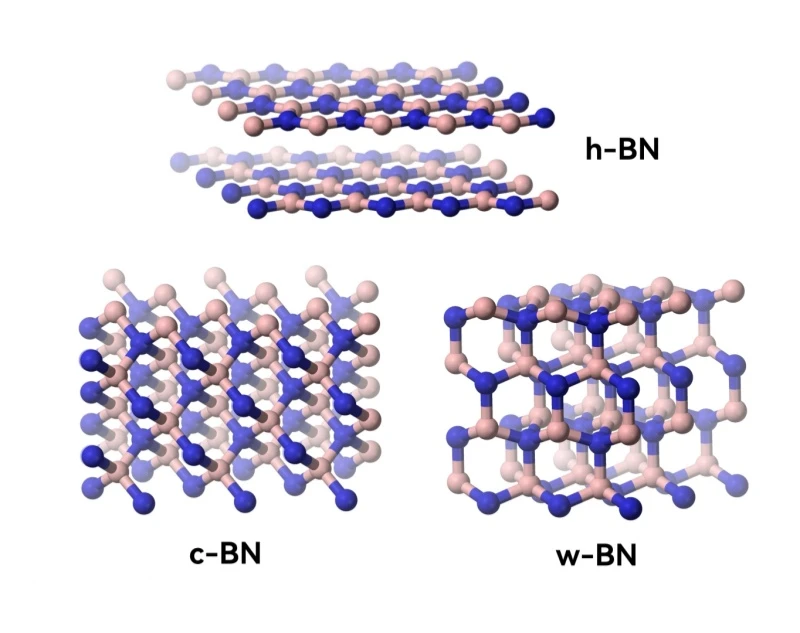
हेक्सागोनल बोरोन नाइट्राइड (एच-बीएन), जिसे सफेद ग्रेफाइट के नाम से भी जाना जाता है, एक परतदार सिरेमिक पदार्थ है जिसमें उत्कृष्ट तापीय स्थिरता, रासायनिक निष्क्रियता, चिकनाई और इन्सुलेटिंग गुण होते हैं। इसका व्यापक रूप से इलेक्ट्रॉनिक उपकरणों, मिश्रित सामग्रियों, स्नेहकों और ताप प्रबंधन अनुप्रयोगों में उपयोग किया जाता है। हालांकि, कई उच्च-स्तरीय अनुप्रयोगों—जैसे नैनोकंपोजिट सामग्री या उच्च-प्रदर्शन कोटिंग्स—में एच-बीएन को सबमाइक्रोन स्तर (कण आकार <1 μm) तक बारीक पीसना आवश्यक होता है ताकि इसका विशिष्ट सतही क्षेत्रफल बढ़ाया जा सके और इसकी फैलाव क्षमता में सुधार किया जा सके।
बॉल मिलिंग या हैमर मिलिंग जैसी पारंपरिक चूर्णीकरण विधियाँ अक्सर कण आकार वितरण को नियंत्रित करने में संघर्ष करती हैं, जिसके परिणामस्वरूप असमान उत्पाद या गंभीर संदूषण होता है।
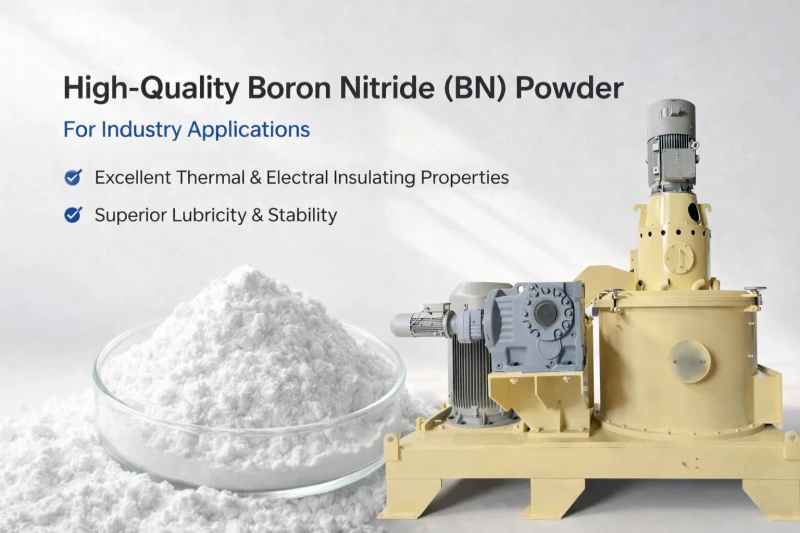
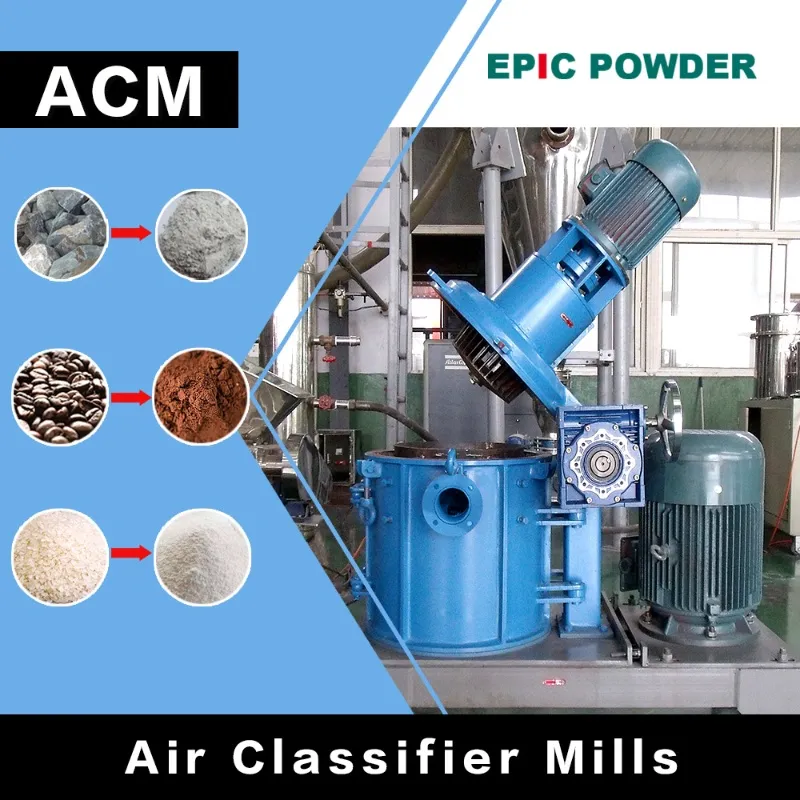
एयर क्लासिफायर मिल एक कुशल अति-सूक्ष्म पिसाई उपकरण है जो यांत्रिक प्रभाव चूर्णीकरण को गतिशील वायु वर्गीकरण के साथ एकीकृत करता है। यह कणों के आकार पर सटीक नियंत्रण सक्षम बनाता है और विशेष रूप से h-BN (मोह्स कठोरता ≈1–2) जैसी अपेक्षाकृत नरम सामग्रियों के लिए उपयुक्त है। मापदंडों को अनुकूलित करके, एक एयर क्लासिफायर मिल h-BN फीडस्टॉक को D97 < 10 μm तक कम कर सकता है, और यहां तक कि सबमाइक्रोन रेंज (D50 ≈ 0.5–1 μm) तक भी पहुंच सकता है। यह लेख क्लासिफायर मिल का उपयोग करके हेक्सागोनल बोरोन नाइट्राइड के सबमाइक्रोन अति-सूक्ष्म चूर्णीकरण को प्राप्त करने के लिए सिद्धांत, संचालन चरण, प्रमुख मापदंड और सावधानियों का विस्तृत विवरण देता है।
कार्य सिद्धांत एयर क्लासिफायर मिल
एक क्लासिफायर मिल का मूल भाग उसका एकीकृत पीसने और वर्गीकरण तंत्र होता है। एक विशिष्ट एसीएम (क्लासिफायर मिल) का उदाहरण लेते हुए, इसके मुख्य घटकों में फीड इनलेट, पीसने का कक्ष, रोटर (हथौड़ों या पिनों से सुसज्जित), क्लासिफायर व्हील और पंखा शामिल हैं। कार्य प्रक्रिया इस प्रकार है:
खिलाना और प्रारंभिक पीसना:
एच-बीएन फीडस्टॉक (आमतौर पर माइक्रोन आकार के फ्लेक्स या पाउडर) एक स्क्रू फीडर के माध्यम से ग्राइंडिंग चैंबर में प्रवेश करता है। उच्च गति से घूमने वाला रोटर (कई हजार आरपीएम तक की गति) यांत्रिक प्रभाव और कतरनी बल उत्पन्न करता है, जिससे कण आपस में टकराकर टूट जाते हैं। साथ ही, उच्च वेग वाला वायु प्रवाह (आमतौर पर हवा या अक्रिय गैस) कणों को आगे ले जाता है, जिससे अशांति उत्पन्न होती है जो कणों को बारीक पीसने की प्रक्रिया को और भी तेज करती है।
वायु वर्गीकरण:
पिसे हुए कण वायु प्रवाह द्वारा क्लासिफायर व्हील ज़ोन में पहुँच जाते हैं। स्वतंत्र रूप से संचालित क्लासिफायर व्हील तेज़ गति से घूमता है, जिससे अपकेंद्रीय बल उत्पन्न होता है। महीन कण (सबमाइक्रोन आकार) वायु प्रवाह के साथ क्लासिफायर व्हील से गुजरते हुए संग्रह प्रणाली में प्रवेश करते हैं, जबकि मोटे कण आगे आकार में छोटे होने के लिए पीसने वाले कक्ष में वापस चले जाते हैं। यह बंद परिपथ पुनर्संचरण कणों के आकार का एक समान वितरण सुनिश्चित करता है और अत्यधिक पीसने या कम पीसने दोनों को रोकता है।
उत्पाद संग्रह:
साइक्लोन सेपरेटर या बैग फिल्टर के माध्यम से महीन पाउडर एकत्र किया जाता है, जबकि निकास गैस पंखे के माध्यम से बाहर निकाल दी जाती है। पूरी प्रक्रिया परिवेशी या कम तापमान पर होती है, जिससे यह एच-बीएन जैसी ऊष्मा-संवेदनशील सामग्रियों के लिए उपयुक्त है।
जेट मिलों की तुलना में, क्लासिफायर मिलें 30–50% कम ऊर्जा की खपत करती हैं और मध्यम से बड़े पैमाने पर उत्पादन के लिए अधिक उपयुक्त हैं। h-BN की परतदार संरचना इसे आसानी से अलग करने योग्य बनाती है, लेकिन यह विद्युतस्थैतिक एकत्रीकरण भी उत्पन्न करती है। इस संबंध में क्लासिफायर मिलों में वायु-सहायता प्राप्त फैलाव विशेष रूप से प्रभावी है।
सबमाइक्रोन प्राप्त करने के चरण अति सूक्ष्म चूर्णीकरण का षट्कोणीय बोरोन नाइट्राइड
नीचे एयर क्लासिफायर मिल का उपयोग करके h-BN को पीसने की एक व्यावहारिक प्रक्रिया दी गई है। प्रयोगशाला या औद्योगिक स्तर के उपकरण और 10-50 μm के प्रारंभिक कण आकार वाले उच्च शुद्धता (>99%) h-BN पाउडर के उपयोग को मानकर चलें।
कच्चे माल की तैयारी
अशुद्धियों (जैसे, धातु आयन) से संदूषण से बचने के लिए उच्च शुद्धता वाले h-BN का चयन करें।
पूर्व-उपचार: सुखाना (105°C ओवन में 2-4 घंटे के लिए) और छानना (बड़े गुच्छों को हटाने के लिए 100 मेश से छानना)।
यदि h-BN नमी सोखने वाला है, तो इसे निष्क्रिय वातावरण (जैसे नाइट्रोजन) में संग्रहित करें।
उपकरण सेटअप
एच-बीएन की चिकनाई वाली प्रकृति के कारण होने वाले घिसाव को कम करने के लिए घिसाव-प्रतिरोधी लाइनर (सिरेमिक या पॉलीयुरेथेन) स्थापित करें।
रोटर का प्रकार चुनें: शियर एक्सफोलिएशन को बढ़ाने के लिए एच-बीएन के लिए पिन-प्रकार के रोटर की सिफारिश की जाती है।
गैस प्रणाली को कॉन्फ़िगर करें: शुष्क संपीड़ित हवा या नाइट्रोजन का उपयोग करें; ऑक्सीकरण को रोकने के लिए प्रवाह दर को 2000-5000 सीएफएम पर नियंत्रित करें।
पैरामीटर अनुकूलन
रोटर की गति: 5000-8000 आरपीएम से शुरू करें; लक्ष्य की सूक्ष्मता के अनुसार धीरे-धीरे बढ़ाएं। उच्च गति सबमाइक्रोन आकार के कणों के लिए उपयुक्त होती है, लेकिन तापमान पर नज़र रखें (एच-बीएन ऊष्मा-प्रतिरोधी है, लेकिन अत्यधिक गर्मी से इसकी संरचना में परिवर्तन हो सकता है)।
क्लासिफायर व्हील की गति: स्वतंत्र रूप से समायोज्य, आमतौर पर 3000-6000 आरपीएम। कम गति पर अधिक महीन कण गुजर सकते हैं (D50 < 1 μm प्राप्त करते हुए); उच्च गति से टॉप-कट का आकार कम हो जाता है और अत्यधिक नैनो-महीन कणों का उत्पादन नहीं होता है।
भोजन की दर: 0.5–2 किलोग्राम/घंटा (प्रयोगशाला पैमाने पर) ताकि अधिक मात्रा में भोजन देने और रुकावट से बचा जा सके।
कणों के अच्छे फैलाव को सुनिश्चित करने के लिए गैस-से-ठोस अनुपात: 10:1 से 20:1।
लक्ष्य कण आकार: लेजर विवर्तन के साथ निगरानी करें; D97 < 5 μm और D50 ≈ 0.5–1 μm (सबमाइक्रोन स्तर) पर समायोजित करें।
पीसने की प्रक्रिया
पंखा और क्लासिफायर व्हील चालू करें; उपकरण को 5-10 मिनट तक पहले से गर्म करें।
दबाव और तापमान की निगरानी करते हुए धीरे-धीरे एच-बीएन फीडस्टॉक डालें (तापमान 80°C से कम रखें)।
कणों के आकार के वितरण की जांच करने के लिए समय-समय पर नमूने लेते हुए 1-2 घंटे तक प्रक्रिया चलाएं। यदि वितरण व्यापक है तो पुनर्संचरण का समय बढ़ाएं।
प्रोसेसिंग के बाद
एकत्रित पाउडर को निर्वात में या कम तापमान पर सुखाएं।
आगे की परत को हटाने या बेहतर फैलाव के लिए, अल्ट्रासोनिक उपचार या सतह संशोधन (जैसे, पुन: एकत्रीकरण को रोकने के लिए युग्मन एजेंट) लागू करें।
उपरोक्त प्रक्रिया का उपयोग करके, एक ही बार में 80% से अधिक उत्पादन प्राप्त किया जा सकता है। उत्पादन क्षमता उपकरण के आकार पर निर्भर करती है (प्रयोगशाला इकाइयों के लिए 1-10 किलोग्राम/घंटा, औद्योगिक इकाइयों के लिए सैकड़ों किलोग्राम/घंटा)।
प्रमुख मापदंड और अनुकूलन सुझाव
- कण आकार नियंत्रणएच-बीएन का एक्सफोलिएशन व्यवहार बारीक पिसाई में सहायक होता है, लेकिन कमजोर अंतरपरत बलों के कारण अक्सर गोलाकार आकृति के बजाय प्लेटलेट जैसी आकृति बनती है। क्लासिफायर व्हील की गति को अनुकूलित करके संकीर्ण वितरण (स्पैन < 1.5) प्राप्त किया जा सकता है।
- ऊर्जा खपत और दक्षताक्लासिफायर मिलें आमतौर पर 200-500 किलोवाट-घंटे/टन ऊर्जा की खपत करती हैं, जो बॉल मिलिंग (>1000 किलोवाट-घंटे/टन) की तुलना में काफी कम है। कम तापमान वाली गैस के प्रवाह का उपयोग करने से दक्षता में 15-201 किलोवाट-घंटे तक सुधार हो सकता है।
- प्रभावित करने वाले कारकफ़ीड में नमी की मात्रा >1% होने पर कणों का जमाव हो जाता है; कठोर अशुद्धियों को पहले ही हटा देना आवश्यक है। प्रयोगों से पता चलता है कि रोटर की गति में प्रत्येक 1000 rpm की वृद्धि से औसत कण आकार 20–30% तक कम हो सकता है।
- सबमाइक्रोन चुनौतियाँमानक क्लासिफायर मिलें 5–10 μm तक विश्वसनीय रूप से सटीकता प्राप्त कर सकती हैं। <1 μm की सटीकता को लगातार प्राप्त करने के लिए, उन्नत मॉडल (जैसे, Mikro e-ACM) या सहायक शीतलन प्रणालियों पर विचार करें।
सावधानियां और संभावित समस्याएं
- सुरक्षासबमाइक्रोन h-BN अत्यधिक धूलयुक्त होता है—उपयुक्त व्यक्तिगत सुरक्षा उपकरण पहनें। ऑक्सीकरण या विस्फोट के खतरों से बचने के लिए अक्रिय गैस का प्रयोग करें।
- उपकरण रखरखावहालांकि एच-बीएन की चिकनाई घिसावट को कम करती है, फिर भी लाइनर और क्लासिफायर व्हील का नियमित रूप से निरीक्षण करें। सूखे ब्रश या संपीड़ित हवा से साफ करें; पानी से धोने से बचें।
- पर्यावरणीय विचारधूल और शोर संबंधी नियमों का पालन करने के लिए उचित वेंटिलेशन और फिल्ट्रेशन सुनिश्चित करें।
- गुणवत्ता नियंत्रणआकृति विज्ञान का अवलोकन करने के लिए SEM का उपयोग करें और क्रिस्टल संरचना के अपरिवर्तित रहने की पुष्टि करने के लिए XRD का उपयोग करें। सबमाइक्रोन h-BN में पुनः एकत्रीकरण की प्रवृत्ति होती है; भंडारण के दौरान एंटी-केकिंग एजेंट मिलाएं।
- सीमाएँवास्तविक नैनोस्केल आकार (<100 एनएम) के लिए, क्लासिफायर मिल अपर्याप्त हो सकती हैं - इसके बजाय जेट मिलिंग या संयुक्त बॉल मिलिंग दृष्टिकोण पर विचार करें।
निष्कर्ष
हेक्सागोनल बोरोन नाइट्राइड (h-BN) के सबमाइक्रोन अल्ट्राफाइन पाउडर में क्लासिफायर मिल का उपयोग एक कुशल और सटीक विधि है जो पाउडर की एकरूपता और शुद्धता में सुधार करते हुए उत्पादन लागत को कम करती है। एकीकृत पीएलसी नियंत्रण और रीयल-टाइम मॉनिटरिंग जैसी उन्नत उपकरण तकनीकों के साथ, h-BN प्रसंस्करण में क्लासिफायर मिलों की भूमिका लगातार महत्वपूर्ण होती जा रही है। व्यावहारिक अनुप्रयोगों में, विशिष्ट कच्चे माल और लक्षित आवश्यकताओं के अनुसार मापदंडों को अनुकूलित करने के लिए छोटे पैमाने पर परीक्षण करने की सलाह दी जाती है। भविष्य में, एआई-आधारित अनुकूलन एल्गोरिदम के साथ क्लासिफायर मिलों के संयोजन से उच्च-तकनीकी क्षेत्रों में h-BN के अनुप्रयोग को और आगे बढ़ाने की उम्मीद है।

"पढ़ने के लिए धन्यवाद। मुझे उम्मीद है कि मेरा लेख मददगार होगा। कृपया नीचे अपनी टिप्पणी ज़रूर लिखें। आप किसी भी अन्य पूछताछ के लिए ज़ेल्डा के ऑनलाइन ग्राहक प्रतिनिधि से भी संपर्क कर सकते हैं।"
- के द्वारा प्रकाशित किया गया एमिली चेन