ရော်ဘာ ပေါင်းစပ်ခြင်းနှင့် ပြန်လည်အသုံးပြုထားသော ရော်ဘာအသုံးချမှု နယ်ပယ်များတွင်၊ ပိုင်ရိုလိုက်စစ် ကာဗွန်ဘလက်၏ အမှုန်အရွယ်အစားထိန်းချုပ်မှုသည် နောက်ဆုံးထုတ်ကုန်စွမ်းဆောင်ရည်ကို တိုက်ရိုက်လွှမ်းမိုးသောကြောင့် အရေးကြီးသောအချက်တစ်ချက်အဖြစ် ရှိနေဆဲဖြစ်သည်။ ဤပစ္စည်းအသုံးပြုမှုသည် ရော်ဘာ၊ ပလတ်စတစ်နှင့် ဆက်စပ်ထုတ်ကုန်များအထိ တိုးချဲ့လာသည်နှင့်အမျှ ပိုင်ရိုလိုက်စစ် ကာဗွန်ဘလက် ကြိတ်ခွဲခြင်းသည် ထုတ်လုပ်သူများထံမှ အာရုံစိုက်မှု တိုးပွားလာခဲ့သည်။ သင့်တင့်လျောက်ပတ်သော ကြိတ်ခွဲမှု အနုစိတ်မှုမှတစ်ဆင့် စွမ်းဆောင်ရည်တိုးတက်မှုနှင့် ကုန်ကျစရိတ်ထိန်းချုပ်မှုအကြား ဟန်ချက်ညီမှုရရှိရန်သည် လုပ်ငန်းတွင် ကျယ်ကျယ်ပြန့်ပြန့် ဆွေးနွေးကြသည့် အကြောင်းအရာတစ်ခု ဖြစ်လာခဲ့သည်။
လက်တွေ့အတွေ့အကြုံက ပိုမိုချောမွေ့စွာကြိတ်ခွဲခြင်းသည် အမြဲတမ်းပိုကောင်းသည်မဟုတ်ကြောင်း ပြသနေသည်။ ယင်းအစား၊ နောက်ဆုံးအသုံးချမှုသည် အသင့်တော်ဆုံးအမှုန်အရွယ်အစားအပိုင်းအခြားကို ညွှန်ပြသည်။ အကောင်းဆုံးကတော့၊ ထုတ်လုပ်သူများသည် pyrolysis carbon black ကို ၎င်း၏ မူလအမှုန်အရွယ်အစားနှင့် နီးစပ်သောအရွယ်အစားအထိ ကြိတ်ခွဲသင့်သည်။ ၎င်းသည် ပုံမှန်အားဖြင့် ခန့်မှန်းခြေအားဖြင့် 325–800 mesh နှင့် ကိုက်ညီသည်။ တစ်ချိန်တည်းမှာပင်၊ ကောင်းမွန်သောပျံ့နှံ့မှုကို ထိန်းသိမ်းထားရမည်။ သို့သော်၊ အမှန်တကယ်ထုတ်လုပ်မှုတွင်၊ ထုတ်လုပ်သူများသည် စွမ်းဆောင်ရည်လိုအပ်ချက်များ၊ လုပ်ဆောင်ရခက်ခဲမှုနှင့် စီးပွားရေးထိရောက်မှုကို ဟန်ချက်ညီအောင် ထိန်းညှိရမည်။
အောက်တွင် အဘယ်ကြောင့် ပိုမိုအနုစိတ်ကြိတ်ခွဲခြင်းကို မကြာခဏ လိုအပ်လေ့ရှိကြောင်းနှင့် အဘယ်ကြောင့် အလွန်အကျွံ အနုစိတ်ကြိတ်ခွဲခြင်းသည် ဆန့်ကျင်ဘက်အကျိုးသက်ရောက်မှု ရှိနိုင်ကြောင်း အသေးစိတ် ခွဲခြမ်းစိတ်ဖြာထားပါသည်။
ဘာကြောင့် ပိုသေးအောင် ကြိတ်သင့်တာလဲ။ (အမှုန်အမွှားတွေရဲ့ အားသာချက်တွေ)
- အားဖြည့်စွမ်းဆောင်ရည် ပိုမိုကောင်းမွန်လာခြင်း
ရာဘာထုတ်ကုန်များ (တာယာများ၊ ခါးပတ်များနှင့် တံဆိပ်များကဲ့သို့) တွင် ကာဗွန်အနက်ရောင်၏ အားဖြည့်အာနိသင်သည် ၎င်း၏ သီးခြားမျက်နှာပြင်ဧရိယာပေါ်တွင် အဓိကမူတည်သည်။ အမှုန်များ ပိုမိုသေးငယ်လေ၊ မျက်နှာပြင်ဧရိယာ ကြီးမားလေဖြစ်သည်။ ၎င်းသည် ရာဘာမော်လီကျူးများနှင့် ထိတွေ့မှုအမှတ်များ ပိုမိုဖန်တီးပေးသည်။ ရလဒ်အနေဖြင့်၊ မျက်နှာချင်းဆိုင် ချိတ်ဆက်မှုသည် ပိုမိုအားကောင်းလာပြီး ဆွဲဆန့်နိုင်စွမ်း၊ စုတ်ပြဲနိုင်စွမ်းနှင့် ပွတ်တိုက်မှုခံနိုင်ရည်တို့ကို သိသိသာသာ တိုးတက်ကောင်းမွန်စေသည်။ - အရောင်ခြယ်အားကောင်းမှု မြှင့်တင်ခြင်း
မင်၊ အပေါ်ယံလွှာနှင့် ပလတ်စတစ်များတွင် အသုံးပြုသောအခါ၊ ပိုမိုပါးလွှာသော ကာဗွန်အနက်ရောင်သည် ပိုမိုမြင့်မားသော ဂျက်စမစ်နှင့် ပိုမိုကောင်းမွန်သော အပြာရောင်အောက်ခံကို ပေးစွမ်းသည်။ ထို့ကြောင့် ပိုမိုအားကောင်းသော အရောင်ခြယ်နိုင်စွမ်းနှင့် ပိုမိုကောင်းမွန်သော ဖုံးကွယ်နိုင်စွမ်းကို ပေးစွမ်းသည်။ - ပိုမိုကောင်းမွန်သော ပျံ့နှံ့မှု
သီအိုရီအရ၊ ပိုမိုသေးငယ်သော မူလအမှုန်များသည် မက်ထရစ်တွင် ညီညာစွာ ဖြန့်ဝေရန် ပိုမိုလွယ်ကူပြီး အစုအဝေးဖွဲ့ခြင်းကြောင့် ဖြစ်ပေါ်လာသော စွမ်းဆောင်ရည်ချို့ယွင်းချက်များကို လျော့နည်းစေသည်။
ဘာကြောင့် အဆုံးမရှိ ကောင်းကောင်း မကြိတ်တာလဲ။ (အလွန်အကျွံ ကြိတ်ခြင်းရဲ့ အားနည်းချက်များ)
- စွမ်းအင်သုံးစွဲမှု သိသိသာသာ မြင့်တက်လာခြင်း
မိုက်ခရွန်စကေးမှ နာနိုစကေးအထိ အမှုန်များကို လျှော့ချရန် ကြီးမားသော စွမ်းအင်လိုအပ်သည်။ အမှုန်အရွယ်အစား လျော့ကျလာသည်နှင့်အမျှ နောက်ထပ် အရွယ်အစားလျှော့ချရန် ခက်ခဲမှုနှင့် ကုန်ကျစရိတ်သည် အဆပေါင်းများစွာ မြင့်တက်လာသည်။ - ပြင်းထန်သော စုပုံမှု ማለት
ကာဗွန်အနက်ရောင်အမှုန်များသည် မျက်နှာပြင်စွမ်းအင်မြင့်မားသည်။ အမှုန်များ ပိုမိုသေးငယ်လေ၊ ပြန်လည်စုပုံနိုင်ခြေ ပိုများလေဖြစ်သည်။ ၎င်းတို့သည် ပျော့ပျောင်းပြီး ပျံ့နှံ့ရန်ခက်ခဲသော ဒုတိယစုပုံပစ္စည်းများကို ဖွဲ့စည်းလေ့ရှိသည်။ ၎င်းသည် နောက်ဆုံးထုတ်ကုန်တွင် ၎င်းတို့၏ ထိရောက်သောပျံ့နှံ့မှုကို လျော့နည်းစေသည်။ - ယိုယွင်းပျက်စီးနေသော လုပ်ငန်းစဉ်စွမ်းဆောင်ရည်
- ရော်ဘာတွင်: အလွန်သေးငယ်သော ကာဗွန်အနက်ရောင်သည် ဒြပ်ပေါင်း viscosity ကို သိသိသာသာ တိုးစေသည်။ ရောနှောရန် ပိုမိုခက်ခဲလာသည်။ စွမ်းအင်သုံးစွဲမှု မြင့်တက်လာပြီး ဗယ်လ်ကန်နိုက်ဇေးရှင်း နှောင့်နှေးနိုင်သည်။
- ပလတ်စတစ်များတွင်- အလွန်သေးငယ်သော ကာဗွန်အနက်ရောင်ကို မြင့်မားစွာ ထည့်သွင်းခြင်းသည် အရည်ပျော်အားကို လျော့ကျစေပြီး လုပ်ငန်းစဉ်ကို ဆိုးကျိုးသက်ရောက်စေနိုင်သည်။
- စွမ်းဆောင်ရည် ထပ်ဆင့်ဖြစ်ခြင်းနှင့် ကုန်ကျစရိတ် အလဟဿဖြစ်ခြင်း
အရောင်ခြယ်ကွန်ကရစ်အုတ်များအတွက် ရောင်ခြယ်ပစ္စည်းများ သို့မဟုတ် စွမ်းဆောင်ရည်နိမ့်ပလတ်စတစ်များအတွက် ဖြည့်စွက်ပစ္စည်းများကဲ့သို့သော အဆင့်နိမ့်အသုံးချမှုများစွာအတွက် အလွန်မြင့်မားသော အားဖြည့်မှုမလိုအပ်ပါ။ ထိုကဲ့သို့သောကိစ္စများတွင် အလွန်ကောင်းမွန်သော ကာဗွန်အနက်ရောင်ကို အသုံးပြုခြင်းသည် မလိုအပ်သော ကုန်ကျစရိတ်မြင့်တက်မှုများကို ဖြစ်ပေါ်စေသည်။ - ဖွဲ့စည်းပုံဆိုင်ရာ ပျက်စီးမှုဖြစ်နိုင်ခြေ
အလွန်အကျွံနှင့် ကြမ်းတမ်းစွာ ကြိတ်ခွဲခြင်းသည် ကျောက်စရစ်ပုံသဏ္ဍာန်ကဲ့သို့သော ကာဗွန်အနက်ရောင်၏ အဏုကြည့်ဖွဲ့စည်းပုံကို ပျက်စီးစေနိုင်သည်။ ၎င်းသည် ၎င်း၏ မွေးရာပါ အားဖြည့်စွမ်းရည်ကို ဆိုးကျိုးသက်ရောက်စေနိုင်သည်။
အမှုန်အမွှားများကို နားလည်ရန် အဓိက သဘောတရားများ- မူလအမှုန်များ၊ အနည်အနှစ်များနှင့် အနည်အနှစ်များ
- မူလအမှုန်များ- ၎င်းတို့သည် ထုတ်လုပ်မှုလုပ်ငန်းစဉ်အတွင်း ကနဦးတွင် ဖွဲ့စည်းဖြစ်ပေါ်လာသော အသေးဆုံး၊ သီးခြားဖြစ်သော လုံးဝိုင်းပုံသဏ္ဍာန်ရှိသော အမှုန်များဖြစ်သည်။
- စုပေါင်းပစ္စည်းများ- ဤတည်ငြိမ်သောဖွဲ့စည်းပုံများတွင် ခိုင်မာသောဓာတုနှောင်ကြိုးများဖြင့် ပေါင်းစပ်ထားသော မူလအမှုန်အမွှားများစွာ ပါဝင်သည်။ ဒြပ်ပေါင်းသည် ရော်ဘာတွင် အားဖြည့်မှုအတွက် အခြေခံယူနစ်အဖြစ် ဆောင်ရွက်ပြီး ကြိတ်ခွဲခြင်းသည် ဤဖွဲ့စည်းပုံများကို ရှားရှားပါးပါးသာ ကွဲအက်စေသည်။
- အစုအဝေးများ- ၎င်းတို့သည် van der Waals အားများကဲ့သို့သော အားနည်းသော ရုပ်ပိုင်းဆိုင်ရာအားများမှတစ်ဆင့် ဒြပ်ပေါင်းများစွာ ပေါင်းစပ်ထားသည့် လျော့ရဲသောအစုအဝေးများဖြစ်သည်။
ပိုင်ရိုလိုက်စစ် ကာဗွန်အနက်ရောင် ကြိတ်ခွဲခြင်း၏ အဓိကရည်ရွယ်ချက်မှာ ဤလျော့ရဲနေသော ကျောက်စိုင်များကို ဖြိုခွဲရန်ဖြစ်သည်။ စစ်မှန်သောရည်မှန်းချက်မှာ ကျောက်စိုင်များကို ပျံ့နှံ့စေပြီး ကျောက်စိုင်များကို ဖျက်ဆီးမည့်အစား မူလကျောက်စိုင်များကို တတ်နိုင်သမျှ ခွဲထုတ်ရန်ဖြစ်သည်။
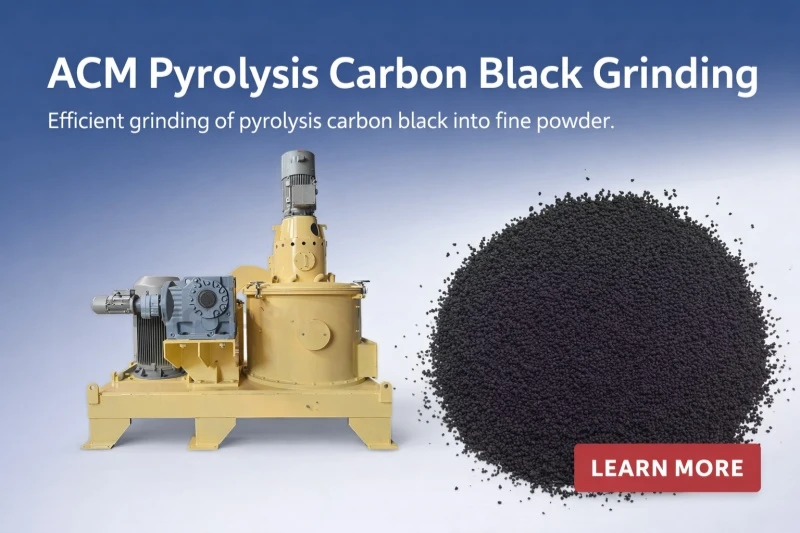
တိကျသောထိန်းချုပ်မှုအတွက် အဓိကပစ္စည်းကိရိယာများ- Air Classifier Mill (ACM) အတွက် Pyrolysis ကာဗွန်အနက်ရောင်
ထိရောက်သော အရွယ်အစားလျှော့ချခြင်းနှင့် ဖွဲ့စည်းတည်ဆောက်ပုံ ထိန်းသိမ်းခြင်းအကြား ဟန်ချက်ညီစေရန်အတွက်၊ လေခွဲခြားစက်များ (ACM စနစ်များ) ကို ကျယ်ကျယ်ပြန့်ပြန့် အသုံးပြုကြသည်။ ရိုးရာဘောလုံးစက်များ သို့မဟုတ် Raymond စက်များနှင့် နှိုင်းယှဉ်ပါက ACM များသည် pyrolysis carbon black ၏ အလွန်သေးငယ်သော ကြိတ်ခွဲခြင်းတွင် ထူးခြားသော အားသာချက်များကို ပေးစွမ်းသည်။
၁။ ပေါင်းစပ်သက်ရောက်မှုကြိတ်ခွဲခြင်းနှင့်လေအမျိုးအစားခွဲခြားခြင်း
ACM များသည် ကြိတ်ခွဲခြင်းအောင်မြင်ရန်အတွက် မြန်နှုန်းမြင့် rotors နှင့် liner impact ကို အသုံးပြုသည်။ တပ်ဆင်ထားသော မြင့်မားသောတိကျမှုရှိသော classifier wheel သည် အရည်အချင်းပြည့်မီသော အမှုန်အမွှားများကို အဆက်မပြတ်ခွဲထုတ်ပြီး ကြမ်းတမ်းသော အမှုန်အမွှားများကို နောက်ထပ်လုပ်ဆောင်ရန်အတွက် ကြိတ်ခွဲသည့်ဇုန်သို့ ပြန်ပို့သည်။
အကျိုးကျေးဇူး: အလွန်အကျွံကြိတ်ခွဲခြင်းကို ရှောင်ရှားနိုင်ပြီး အမှုန်အရွယ်အစားကို 325–800 mesh အတိုင်းအတာအတွင်း တိကျစွာ ထိန်းချုပ်နိုင်သောကြောင့် ကျောက်စရစ်ဖွဲ့စည်းပုံကို ထိရောက်စွာ ကာကွယ်ပေးပါသည်။
၂။ ယိုယွင်းပျက်စီးမှုကို ကာကွယ်ရန် အပူချိန်နိမ့် လည်ပတ်မှု
Pyrolysis carbon black သည် အပူဒဏ်ကို ခံနိုင်ရည်ရှိသည်။ ACM စနစ်များရှိ လေစီးဆင်းမှု များပြားခြင်းသည် ကြိတ်ခွဲသည့်အပူကို ထိရောက်စွာ ဖယ်ရှားပေးပြီး ပစ္စည်းကို အပူချိန်နိမ့်တွင် ထားရှိကာ ၎င်း၏ ရုပ်ပိုင်းဆိုင်ရာနှင့် ဓာတုဗေဒဆိုင်ရာ လုပ်ဆောင်ချက်များကို ထိန်းသိမ်းပေးသည်။
၃။ လိုအပ်သလို အမှုန်အရွယ်အစား စိတ်ကြိုက်ပြင်ဆင်ခြင်း
အမျိုးအစားခွဲခြားဘီးအမြန်နှုန်းကို ချိန်ညှိခြင်းဖြင့် စနစ်တစ်ခုသည် မတူညီသော အမှုန်အရွယ်အစားများကို ထုတ်လုပ်နိုင်သည်—ဥပမာ၊ အဆင့်မြင့်ထုတ်ကုန်များအတွက် 800 mesh ultrafine powder သို့မဟုတ် အဆင့်နိမ့် fillers များအတွက် 200 mesh coarse powder။
အပလီကေးရှင်း ကိုက်ညီမှု
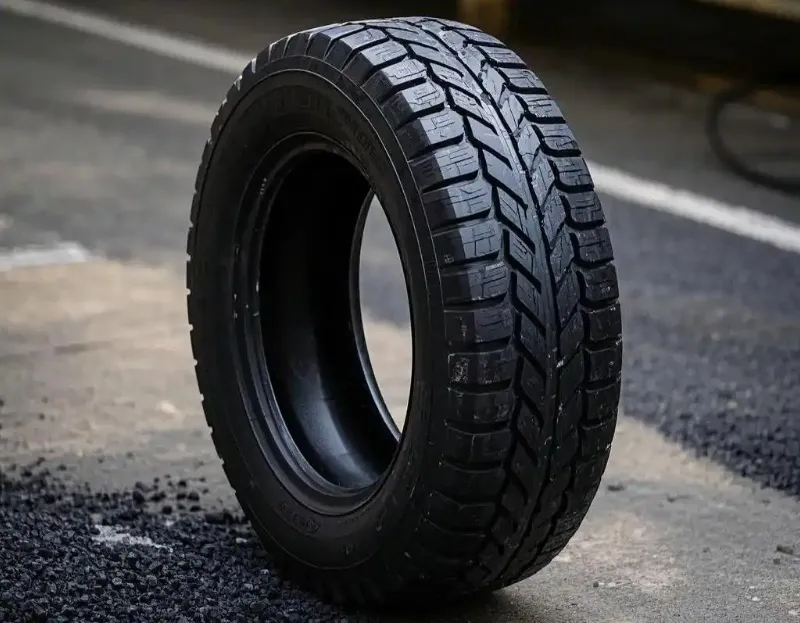
တန်ဖိုးအမြင့်ဆုံးရရှိစေရန်အတွက် ထုတ်လုပ်သူများသည် နောက်ဆုံးထုတ်ကုန်၏ သီးခြားလိုအပ်ချက်များအပေါ် အခြေခံ၍ pyrolysis carbon black grinding နည်းဗျူဟာများကို စိတ်ကြိုက်ပြင်ဆင်ရမည်-
- အဆင့်မြင့်ရော်ဘာထုတ်ကုန်များ (ဥပမာ၊ အမြန်နှုန်းနိမ့်တာယာများ၊ စွမ်းဆောင်ရည်မြင့် ကွန်ဗေယာခါးပတ်များ): ဤအသုံးချမှုများသည် အများဆုံးအားဖြည့်မှု (500–800 mesh) လိုအပ်ပါသည်။ ၎င်းအတွက် အမှုန်အရွယ်အစားကို မူလကျောက်စရစ်များနှင့် တတ်နိုင်သမျှနီးစပ်စေရန်—N330 သို့မဟုတ် N550 စီးရီးကာဗွန်အနက်ရောင်၏ စွမ်းဆောင်ရည်နှင့် ကိုက်ညီစေရန်—နက်ရှိုင်းစွာ ကြိတ်ခွဲရန် လိုအပ်ပါသည်။ အော်ပရေတာများသည် သတ်မှတ်ထားသော မျက်နှာပြင်ဧရိယာနှင့် DBP (Dibutyl Phthalate) စုပ်ယူမှုတန်ဖိုးကို တင်းကြပ်စွာ ထိန်းချုပ်ရမည်ဖြစ်ပြီး၊ ၎င်းသည် ဖွဲ့စည်းပုံဆိုင်ရာ တည်တံ့ခိုင်မြဲမှု၏ အဓိကညွှန်ပြချက်အဖြစ် ဆောင်ရွက်ပါသည်။
- အလယ်အလတ်မှ အနိမ့်ဆုံး ရော်ဘာထုတ်ကုန်များ (ဥပမာ၊ တာယာဘေးနံရံများ၊ အတွင်းပြွန်များ၊ ဖိနပ်အောက်ခံများ): အလယ်အလတ်စွမ်းဆောင်ရည်လိုအပ်ချက်များဖြင့် ဤထုတ်ကုန်များသည် အလယ်အလတ်အဆင့်ကြိတ်ခွဲခြင်း (ခန့်မှန်းခြေအားဖြင့် ၄၂၅ mesh) ကို အသုံးပြုသည်။ ဤချဉ်းကပ်မှုသည် ရုပ်ပိုင်းဆိုင်ရာစွမ်းဆောင်ရည်၊ ထုတ်လုပ်မှုကုန်ကျစရိတ်နှင့် လုပ်ဆောင်ရလွယ်ကူမှုတို့အကြား အကောင်းဆုံးဟန်ချက်ညီမှုကို ရရှိစေသည်။
- ပလတ်စတစ် မာစတာဘတ်ချ်များ၊ အပေါ်ယံလွှာများနှင့် မင်များ- ဤအသုံးချမှုများသည် အဓိကအားဖြင့် မြင့်မားသောအရောင်တင်နိုင်စွမ်းနှင့် ခရမ်းလွန်ရောင်ခြည်ကာကွယ်မှု လိုအပ်ပါသည်။ ၎င်းတို့သည် ထိပ်တန်းရော်ဘာအဆင့် ကာဗွန်အနက်ရောင်၏ အလွန်အမင်းအားဖြည့်ဂုဏ်သတ္တိများ မလိုအပ်သော်လည်း ကောင်းမွန်သောအရောင်ဖွံ့ဖြိုးမှုနှင့် ပျံ့နှံ့မှုကိုသေချာစေရန်အတွက် အတော်လေး ಒತ್ತಡಿತಿತ (ခန့်မှန်းခြေအားဖြင့် 500 mesh) လိုအပ်ပါသည်။
- တန်ဖိုးနည်း ဖြည့်စွက်ပစ္စည်းများ (ဥပမာ- ကွန်ကရစ်၊ ရှေးဟောင်းအုတ်များ၊ ပလတ်စတစ် လေယာဉ်ပြေးလမ်းများ): ဤထုတ်ကုန်များသည် ကြိတ်ခွဲရန် မလိုအပ်သလောက်ဖြစ်သည်။ ကြမ်းတမ်းသောအမှုန့် (ခန့်မှန်းခြေအားဖြင့် 80 mesh) သည် ထုတ်လုပ်မှုကုန်ကျစရိတ်ကို လျှော့ချပေးစဉ် နည်းပညာဆိုင်ရာ လိုအပ်ချက်အားလုံးကို ဖြည့်ဆည်းပေးပါသည်။
နိဂုံး
ပိုင်ရိုလိုက်စစ် ကာဗွန်ဘလက် ကြိတ်ခွဲရန်အတွက် အကောင်းဆုံး အမှုန်အရွယ်အစား ပြတင်းပေါက်တစ်ခုရှိပြီး ဤပြတင်းပေါက်ကို ပစ်မှတ်အသုံးချမှုအပေါ် မူတည်၍ ဆုံးဖြတ်သည်။ အလွန်အမင်း အမှုန်အမွှားများကို မျက်စိစုံမှိတ် လိုက်စားခြင်းသည် ထုတ်လုပ်မှုကုန်ကျစရိတ်နှင့် စွမ်းအင်သုံးစွဲမှုကို တိုးစေသည်။ ၎င်းသည် စုပုံခြင်းနှင့် လုပ်ငန်းစဉ်ညံ့ဖျင်းခြင်းကြောင့် စွမ်းဆောင်ရည်ကျဆင်းမှုကိုလည်း ဖြစ်ပေါ်စေနိုင်သည်။ သိပ္ပံနည်းကျချဉ်းကပ်မှုတစ်ခုမှာ စမ်းသပ်ခြင်းဖြင့် သီးခြားအသုံးချမှုစွမ်းဆောင်ရည်လိုအပ်ချက်များနှင့် ကိုက်ညီသော အသင့်တော်ဆုံးနှင့် အသင့်တော်ဆုံး ကြိတ်ခွဲမှု အမှုန်အမွှားကို ဆုံးဖြတ်ရန်ဖြစ်သည်။

"ဖတ်ရှုပေးတဲ့အတွက် ကျေးဇူးတင်ပါတယ်။ ကျွန်မရဲ့ဆောင်းပါးက အထောက်အကူဖြစ်မယ်လို့ မျှော်လင့်ပါတယ်။ အောက်မှာ မှတ်ချက်ရေးခဲ့ပေးပါ။ နောက်ထပ်မေးမြန်းစုံစမ်းလိုပါက Zelda အွန်လိုင်းဖောက်သည်ကိုယ်စားလှယ်ကိုလည်း ဆက်သွယ်နိုင်ပါတယ်။"
— တင်သူ အမ်မလီ ချန်