Op het gebied van uitlaatgasbehandeling is de juiste keuze cruciaal. SCR (Selectieve Katalytische Reductie) katalysator SCR-katalysatoren zijn cruciaal voor het verbeteren van de katalytische prestaties, het verlengen van de levensduur van de katalysator en het verminderen van emissies. SCR-katalysatoren worden veel gebruikt om stikstofoxiden (NOx) uit de uitlaatgassen van diesel- en benzinemotoren te verwijderen, en hun prestaties hebben een directe invloed op de efficiëntie van de omzetting van verontreinigende stoffen. Van de verschillende factoren die de katalysatorprestaties beïnvloeden, is de deeltjesgrootte een van de belangrijkste parameters, met name tijdens het regeneratieproces. Dit artikel onderzoekt de impact van de deeltjesgrootte op de regeneratieprestaties van SCR-katalysatoren en bespreekt de ideale deeltjesgrootte voor het bereiken van optimale regeneratieresultaten.
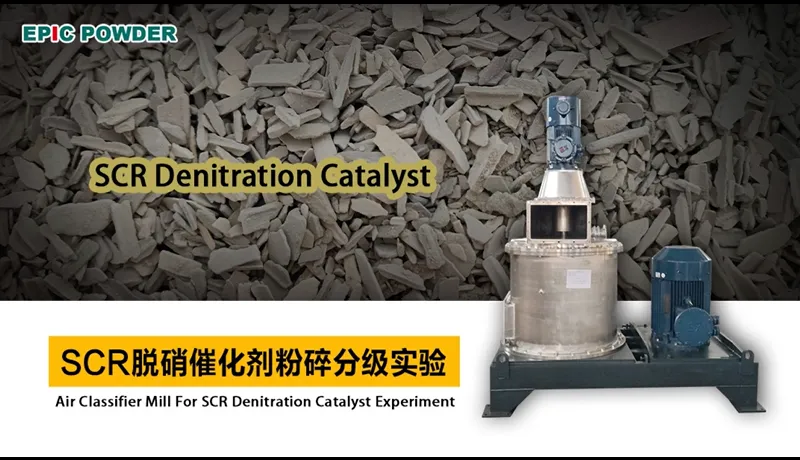
Regeneratieprestaties van SCR-katalysatoren
De belangrijkste functie van SCR-katalysatoren is het omzetten van stikstofoxiden (NOx) in onschadelijk stikstof (N₂) en water (H₂O) door middel van een reductiereactie. Na verloop van tijd raakt de katalysator echter vervuild met koolstof, zwavelverbindingen, metaalverontreinigingen en andere verontreinigende stoffen, waardoor de activiteit afneemt. Daarom is het regeneratieproces van de katalysator cruciaal om een efficiënte werking op lange termijn te garanderen.
Het regeneratieproces omvat:
- Thermische regeneratieDoor de katalysator te verhitten om verontreinigingen te ontbinden of te desorberen, wordt de activiteit van de katalysator hersteld.
- Chemische regeneratie: Het gebruik van oxidatiemiddelen of reductiemiddelen om verontreinigingen te verwijderen en de structuur en activiteit van de katalysator te herstellen.
- Fysieke regeneratie: Het gebruik van was- of mechanische methoden om koolstofafzettingen en andere deeltjes van het katalysatoroppervlak te verwijderen.
De efficiëntie van de katalysatorregeneratie heeft een directe invloed op de levensduur en de emissieprestaties. De deeltjesgrootte speelt hierbij een cruciale rol.
Impact van Deeltjesgrootte over de prestaties van de katalysatorregeneratie
Oppervlakte en reactiesnelheid
Het oppervlaktegebied van de katalysator is een cruciale factor die de katalytische efficiëntie beïnvloedt. Kleinere deeltjesgroottes resulteren over het algemeen in een groter specifiek oppervlaktegebied, wat meer actieve reactieplaatsen oplevert en daardoor de katalytische efficiëntie verhoogt. Bij SCR-katalysatoren kunnen fijnere deeltjes sneller reageren met NOx, waardoor een efficiënte omzetting van stikstofoxiden mogelijk wordt. Als de deeltjesgrootte echter te klein is, kan er tijdens de regeneratie te veel warmte en chemicaliën op het katalysatoroppervlak worden verbruikt, wat mogelijk schade aan de katalysatorstructuur kan veroorzaken en de activiteit ervan kan verminderen.
Thermische stabiliteit en deeltjesgrootte
Grotere katalysatordeeltjes hebben doorgaans een betere thermische stabiliteit omdat de warmteverdeling binnen de deeltjes gelijkmatiger is, waardoor vervorming of deactivering als gevolg van temperatuurschommelingen wordt voorkomen. Fijne deeltjes daarentegen zijn gevoeliger voor sintering bij hoge temperaturen, wat leidt tot verlies van actieve oppervlakteplaatsen en verminderde katalytische prestaties. Katalysatoren met extreem kleine deeltjes kunnen daarom problemen ondervinden tijdens regeneratie bij hoge temperaturen, met name wanneer hete gassen door de katalysator stromen, wat sintering kan veroorzaken en het regeneratieproces kan beïnvloeden.
Gasstroom en katalysatorporositeit
De deeltjesgrootte beïnvloedt ook de gasstroom door het katalysatorbed. Grotere deeltjes zorgen voor een betere ventilatie en porositeit, waardoor een ongelijkmatige gasstroom door te kleine tussenruimtes tussen de deeltjes wordt voorkomen. Kleinere deeltjes kunnen een grotere drukval veroorzaken, waardoor de gasstroom wordt belemmerd en de regeneratie-efficiëntie van de katalysator afneemt. Bovendien kunnen extreem kleine deeltjes tijdens de regeneratie leiden tot agglomeratie, wat de structuur en dispersie van de katalysator aantast en de regeneratieprestaties verder vermindert.
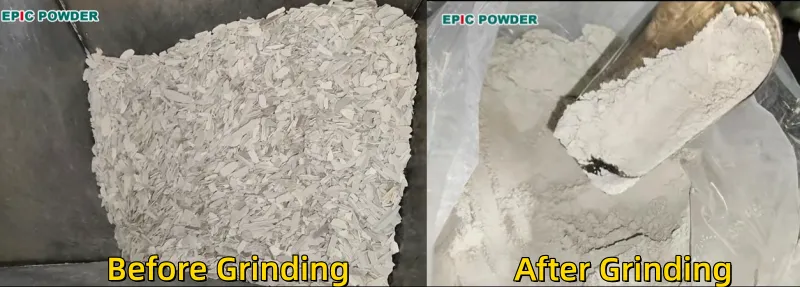
De ideale deeltjesgrootte
Op basis van bovenstaande analyse moet de deeltjesgrootte van SCR-katalysatoren een evenwicht vinden tussen het garanderen van een hoge katalytische efficiëntie en het behouden van goede regeneratieprestaties. De ideale deeltjesgrootte hangt af van verschillende factoren:
- reactietemperatuurKatalysatoren met een betere thermische stabiliteit bij hoge temperaturen vereisen doorgaans grotere deeltjes om een goede hittebestendigheid te garanderen.
- Katalysator Actief metaalgehalteKatalysatoren met een hoger gehalte aan actief metaal kunnen kiezen voor kleinere deeltjes om de reactiviteit te verhogen.
- Katalysatorvorm en laadmethodeVerschillende katalysatorvormen en beladingsmethoden kunnen verschillende deeltjesgroottes vereisen om een goede gasstroom en warmteoverdracht te garanderen.
Over het algemeen ligt de ideale deeltjesgrootte voor SCR-katalysatoren tussen de 50 en 200 micrometer. Binnen dit bereik kan de katalysator een voldoende groot oppervlak bieden, terwijl tegelijkertijd een goede thermische stabiliteit en gasstroom behouden blijven, wat bijdraagt aan een verbeterde regeneratie-efficiëntie.
Conclusie
De deeltjesgrootte van SCR-katalysatoren heeft een directe invloed op hun regeneratieprestaties. Hoewel kleinere deeltjes de reactie-efficiëntie kunnen verbeteren, kunnen te kleine deeltjes leiden tot sintering, agglomeratie en andere problemen tijdens het regeneratieproces, waardoor de prestaties op lange termijn uiteindelijk afnemen. Het is daarom essentieel om het juiste deeltjesgroottebereik te kiezen. In de praktijk moet de deeltjesgrootte worden aangepast aan de specifieke bedrijfsomgeving, de samenstelling van de katalysator en de vereiste regeneratieprestaties om optimale katalytische effecten en regeneratieresultaten te bereiken.
Door de juiste deeltjesgrootte voor SCR-katalysatoren te selecteren, kan niet alleen de katalytische efficiëntie worden verbeterd, maar kan ook de levensduur van de katalysator worden verlengd, wat leidt tot een efficiëntere uitlaatgasbehandeling en een vermindering van schadelijke emissies.

"Bedankt voor het lezen. Ik hoop dat mijn artikel nuttig is. Laat gerust een reactie achter. Voor verdere vragen kunt u ook contact opnemen met de online klantenservice van Zelda."
— Geplaatst door Emily Chen