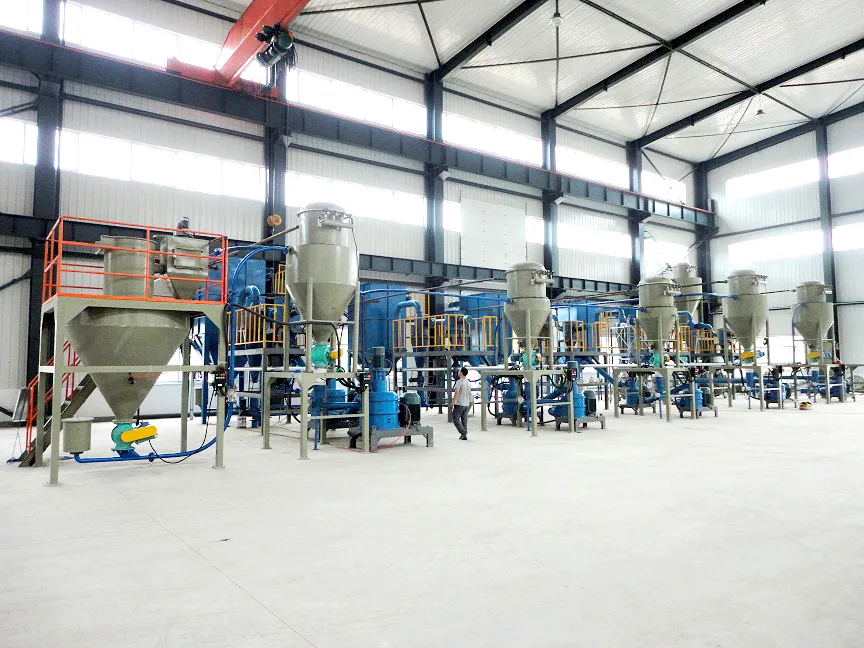
No mundo de processamento de pó ultrafinoO triturador ACM se destaca como um equipamento essencial na indústria. Ele é reconhecido por combinar pulverização por impacto em alta velocidade com classificação precisa por ar dinâmico, tudo em um único sistema fechado. Consequentemente, tornou-se indispensável para o processamento de uma vasta gama de materiais, incluindo minerais não metálicos como carbonato de cálcio, talco e caulim. Também processa compostos químicos altamente sensíveis, ingredientes alimentícios e precursores de baterias de íon-lítio.
No entanto, muitos gerentes de fábrica e engenheiros de manutenção se deparam com um gargalo caro e frustrante: o desgaste acelerado dos equipamentos. Quando pinos, martelos, placas de revestimento e rodas classificadoras se degradam prematuramente, isso causa graves consequências operacionais. Peças de reposição e frequentes janelas de manutenção aumentam diretamente o custo total de propriedade (TCO). Além disso, paradas inesperadas podem interromper linhas de produção inteiras. Pior ainda, o desgaste progressivo dos componentes desestabiliza o equilíbrio do fluxo de ar interno. Essa degradação precoce resulta em uma ampla distribuição granulométrica (PSD), vazamento de partículas grossas de tamanho excessivo e contaminação metálica que pode arruinar lotes de produtos de alta pureza.
Se o seu moinho de ACM estiver se desgastando mais rápido do que o esperado, raramente é um sintoma de "azar". Em vez disso, indica problemas sistêmicos relacionados às características do material, aos parâmetros operacionais ou às configurações mecânicas. Este guia completo analisa as causas principais do desgaste acelerado dos moinhos de ACM. Além disso, fornece estratégias práticas, com respaldo técnico. Essas estratégias maximizam a vida útil dos componentes, mantêm uma distribuição de tamanho de partículas estreita e garantem a eficiência contínua do processo.
Entendendo a mecânica do desgaste dentro de um ACM Triturador
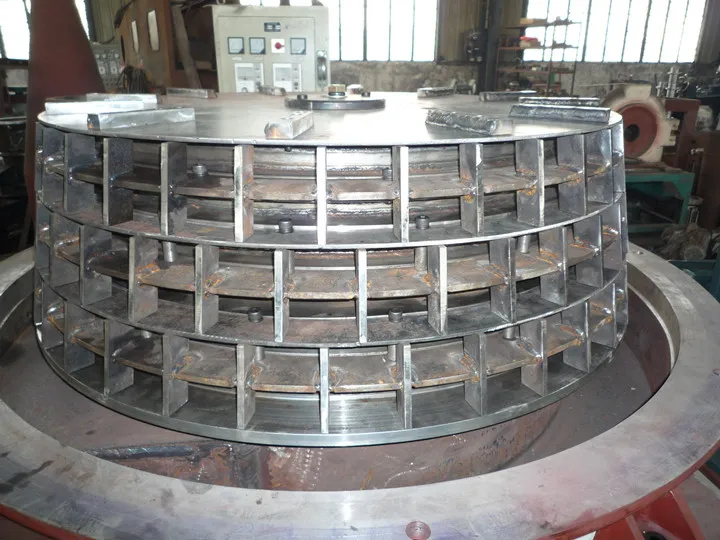
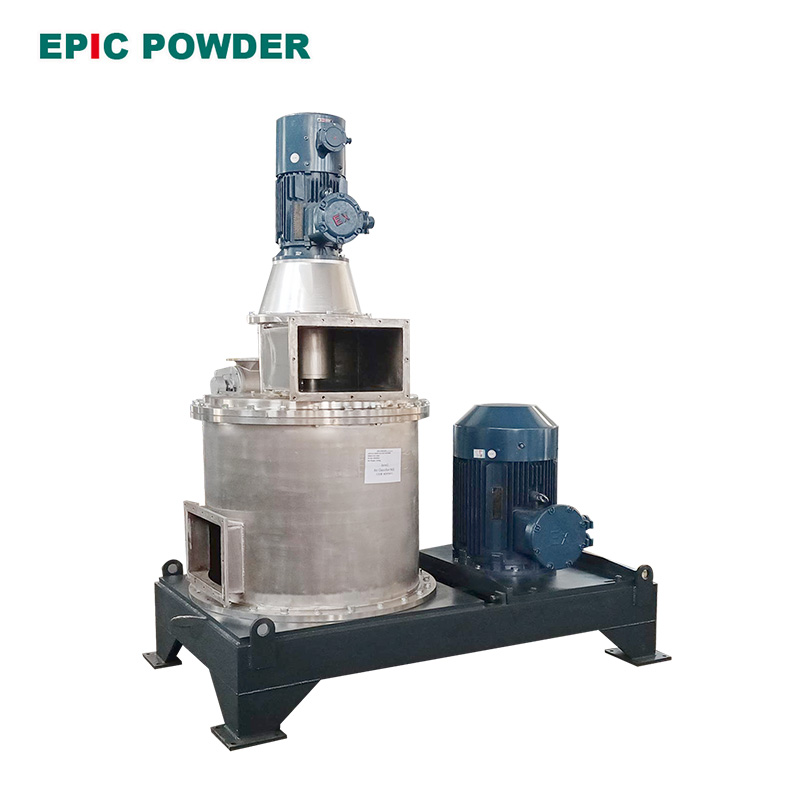
Para diagnosticar por que os componentes se degradam rapidamente, precisamos analisar o intenso ambiente cinético dentro de um sistema ACM. A zona de pulverização consiste em um rotor de alta velocidade equipado com impactores (pinos ou martelos) que giram contra uma pista ou revestimento estacionário. As velocidades das pontas desses rotores frequentemente excedem 90 a 120 metros por segundo. Quando o material entra nessa zona, a cominuição ocorre por meio de duas ações principais. A primeira é a fratura por impacto, causada por colisões entre o martelo de alta velocidade e a partícula. A segunda é a atrição ou fricção, causada pelo atrito das partículas contra o revestimento e umas contra as outras.
Como essas ações dependem inteiramente de impactos de alta velocidade, uma camada limite de atrito de alta energia está continuamente presente. O desgaste se manifesta de três maneiras distintas:
- Desgaste abrasivo: Partículas duras e irregulares atuam como ferramentas de corte em miniatura, criando micro-sulcos nas superfícies metálicas dos martelos e revestimentos.
- Desgaste erosivo: A energia cinética das correntes de ar carregadas de poeira bombardeia continuamente os componentes, particularmente as pás da roda classificadora de ar, erodindo o metal base ao longo do tempo.
- Desgaste por impacto corrosivo: Materiais quimicamente reativos ou umidade residual degradam os óxidos protetores passivos em ligas metálicas, tornando-as altamente suscetíveis à rápida remoção mecânica.
Causas principais do desgaste acelerado em trituradores de ACM
A. Abrasividade do material e dureza excessiva na escala de Mohs
A causa mais comum do desgaste prematuro é a alimentação com materiais que excedem a tolerância estrutural da metalurgia do moinho. Os moinhos classificadores a ar são ideais para materiais com dureza Mohs inferior a 3 ou 4. Quando os operadores tentam moer minerais altamente abrasivos — como quartzo (Mohs 7), feldspato, caulim rico em sílica ou certos materiais duros de baterias — sem o reforço superficial adequado, as taxas de desgaste aumentam exponencialmente. Mesmo pequenas impurezas de sílica em minerais "macios", como o carbonato de cálcio, atuam como abrasivos severos sob impactos de alta velocidade.
B. Equilíbrio incorreto entre a velocidade da ponta do rotor e o fluxo de ar
Na tentativa de atingir tamanhos de partículas-alvo mais finos — como, por exemplo, reduzir um D50 de 10 μm para uma faixa ultrafina — os operadores frequentemente levam a rotação do rotor ao seu limite máximo. Uma velocidade periférica mais alta, reconhecidamente, proporciona maior energia cinética de impacto. No entanto, a taxa de desgaste mecânico é exponencial, e não linear, sendo frequentemente proporcional ao quadrado ou ao cubo da velocidade. Operar o rotor mais rápido do que o necessário amplifica desnecessariamente a energia cinética das colisões de partículas. Como resultado, os pinos e revestimentos se desgastam a uma taxa alarmante. Da mesma forma, se o volume de fluxo de ar do sistema for insuficiente, as partículas não conseguem evacuar a zona de moagem com rapidez suficiente. Essa restrição causa moagem excessiva, acúmulo de calor e bloqueios localizados por atrito abrasivo.
C. Altas taxas de alimentação e sobrecarga da câmara de moagem
Sobrecarregar o moinho ACM reduz o "espaço livre" dentro da zona de pulverização. Em vez de impactos discretos de partículas contra o martelo, a câmara se enche com um leito denso de material sólido fluidizado. Isso cria um atrito extremo entre o leito de material compactado, o rotor e o revestimento. O mecanismo de moagem passa de uma fratura por impacto eficiente para uma microatrito de alto desgaste. A sobrecarga também interrompe o ciclo interno de classificação do ar. Isso força as partículas a reciclarem repetidamente pela zona de impacto, criando um ciclo vicioso de desgaste contínuo.
D. Estresse térmico e resfriamento inadequado
O impacto mecânico de alta velocidade converte naturalmente a energia cinética em energia térmica. Se o material processado for duro ou pegajoso, a temperatura interna aumenta rapidamente. Temperaturas de operação prolongadas alteram as propriedades mecânicas das ligas de aço comuns, causando amolecimento térmico. Quando a dureza superficial de um martelo diminui devido ao estresse térmico, sua resistência à abrasão cai drasticamente, levando a perfis de desgaste rápidos e catastróficos.
O Efeito Cascata do Desgaste: Com o desgaste dos martelos, suas arestas de corte se arredondam. Um martelo com arestas arredondadas não possui o perfil de impacto preciso necessário para clivar as partículas de forma limpa. Consequentemente, o moinho requer mais energia (maior consumo em kW) para atingir a mesma finura, gerando ainda mais calor e acelerando o desgaste.
Soluções de Engenharia: Como Corrigir e Prevenir o Desgaste Acelerado
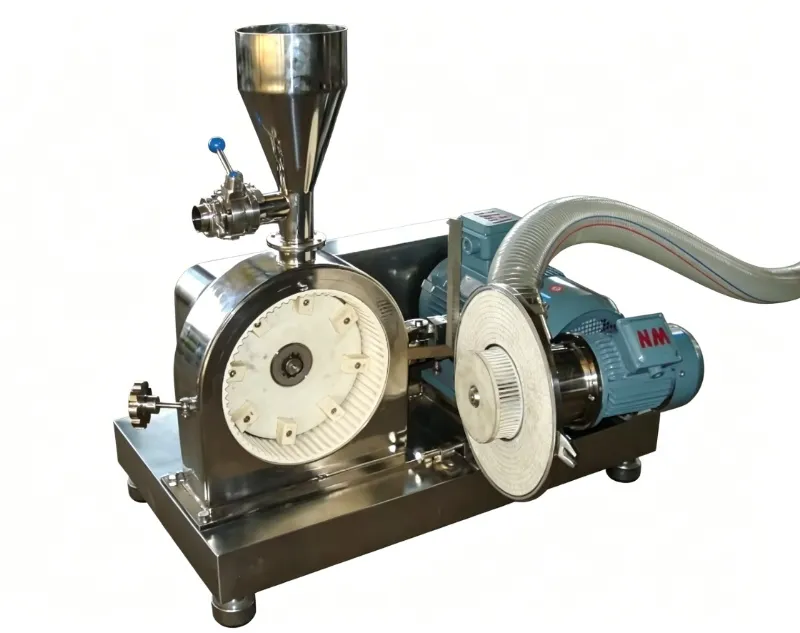
Resolver o desgaste acelerado exige uma estratégia multifacetada que combine melhorias metalúrgicas, parâmetros operacionais otimizados e projetos de engenharia precisos. Abaixo estão as soluções padrão do setor utilizadas por fabricantes líderes globais, como a Epic Powder, para proteger sistemas ACM.
Gestão do Ciclo de Vida de Componentes: Metalurgia Avançada Resistente ao Desgaste
| Componente ACM | Material padrão (alta taxa de desgaste) | Atualização de engenharia avançada | Aplicação/Benefício Alvo |
| Martelos de impacto / Pinos | Aço carbono / Aço manganês padrão | Revestimento de carboneto de tungstênio (WC) ou incrustações sólidas | Minerais com dureza Mohs extremamente alta; aumenta o ciclo de vida em até 5 a 10 vezes. |
| Revestimento da câmara / Trilho | Aço ferramenta temperado | Revestimentos de azulejo de ferro fundido com alto teor de cromo ou cerâmica | Resiste ao atrito abrasivo contínuo por deslizamento proveniente de minerais de alto volume. |
| Lâminas da roda classificadora | Aço inoxidável / Ligas de alumínio | Cerâmica sólida de zircônia (ZrO2) / alumina (Al2O3) | Elimina a contaminação por ferro; vital para materiais de baterias de lítio (LFP/NCM). |
| Calhas de descarga / Tubulações | Aço macio | Revestimentos de poliuretano ou cotovelos com reforço resistente ao desgaste | Previne o desgaste erosivo pneumático de alta velocidade em curvas acentuadas da tubulação. |
A. Implementar Metalurgia Avançada e Engenharia de Superfícies
Se você estiver processando materiais moderadamente a altamente abrasivos, os componentes de aço padrão devem ser substituídos por alternativas resistentes ao desgaste. O revestimento duro melhora drasticamente a durabilidade. Isso envolve a aplicação de uma camada espessa de liga resistente ao desgaste, como carboneto de cromo ou carboneto de tungstênio, por meio de soldagem. Para os requisitos de pureza mais elevados, são utilizados revestimentos cerâmicos sólidos. Eles são feitos de alumina ou zircônia e fixados dentro do moinho. Isso é comum para materiais catódicos de quartzo de grau eletrônico ou baterias de lítio. A cerâmica proporciona dureza superficial próxima à do diamante, eliminando completamente a contaminação por ferro metálico do fluxo de produto.
B. Otimizar a relação ar/material
Um moinho ACM é fundamentalmente um sistema de transporte pneumático. O volume de ar que passa pelo moinho deve ser precisamente equilibrado com a taxa de alimentação do material. Garantir uma vazão de ar volumétrica robusta permite duas coisas: resfria instantaneamente a mecânica interna por meio da transferência de calor por convecção e direciona imediatamente as partículas finas e qualificadas da zona de moagem para o classificador. Isso evita a moagem excessiva e minimiza o tempo que as partículas passam raspando contra as peças metálicas internas.
C. Ajuste fino do controle de velocidade usando inversores de frequência (VFDs)
Nunca opere um moinho de ACM cegamente na velocidade máxima. As linhas de processamento modernas utilizam inversores de frequência (VFDs) tanto no rotor principal de moagem quanto na roda classificadora. Ao equilibrar com precisão a velocidade da ponta do rotor com a velocidade da roda classificadora, os operadores podem atingir o corte D97 desejado. Isso utiliza menos energia de impacto. Se o classificador de ar dinâmico for altamente eficiente, o rotor geralmente pode operar em rotações mais baixas, produzindo ainda um produto ultrafino. Isso prolonga drasticamente a vida útil dos impactores.
D. Introduzir sistemas de regulação de temperatura e umidade
Para polímeros sensíveis ao calor, resinas ou materiais resistentes, um sistema de ar refrigerado é uma solução comprovada. Um circuito de proteção com nitrogênio em malha aberta também funciona. A redução da temperatura do ar de entrada protege a metalurgia do moinho contra a degradação térmica. Isso impede que os materiais derretam ou amoleçam, evitando depósitos pegajosos que aumentam o arrasto e o atrito abrasivo.
A importância da manutenção preditiva e preventiva
Corrigir o desgaste acelerado não se resume apenas a escolher materiais melhores; também exige a implementação de um protocolo de manutenção rigoroso e estruturado. Ignorar os primeiros sinais de degradação dos componentes leva ao agravamento dos danos mecânicos.
- Balanceamento simétrico de rotores: Martelos de impacto devem sempre ser substituídos ou rotacionados em pares balanceados e com pesos correspondentes. Mesmo pequenas variações de peso causadas por desgaste irregular criam desequilíbrios centrífugos, provocando vibrações severas no eixo que destroem rolamentos, vedações e o motor principal.
- Inspeções visuais diárias: Estabeleça uma rotina de verificação das pás da roda classificadora e das bordas de ataque dos pinos. A detecção precoce de microfraturas evita falhas catastróficas, nas quais um componente quebrado destrói a câmara interna durante a rotação em alta velocidade.
- Deslocamentos de parâmetros de log: Monitore o painel de controle diariamente. Um aumento gradual na amperagem do motor, combinado com uma queda na produção de pó fino, é um sinal claro de que os componentes internos do seu triturador ACM estão desgastados e precisam de manutenção.
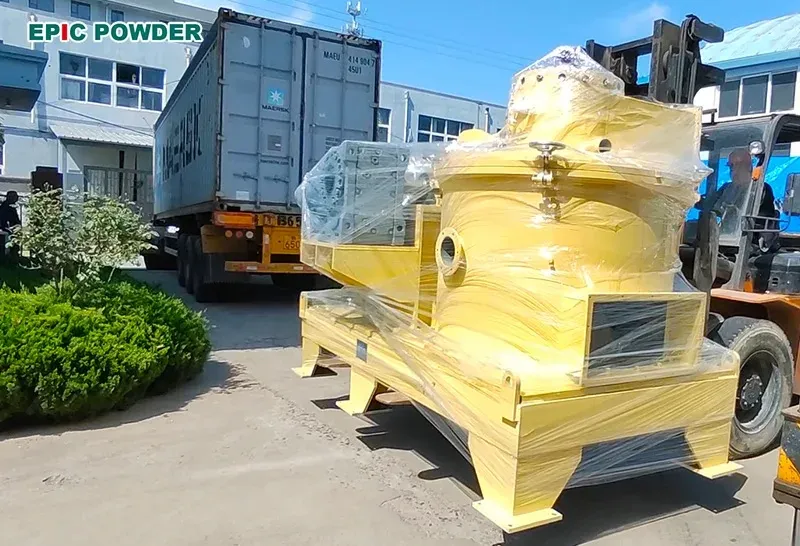
Conclusão: Alcance a eficiência de custos a longo prazo com Pó épico
O desgaste acelerado em um moinho de ACM (Material de Carboneto de Alumínio) é um desafio de engenharia com soluções claras e definitivas. Ao avaliar corretamente as características físicas do seu material, você pode melhorar os resultados da moagem. Abandone os metais padrão de baixa qualidade e opte por carboneto de tungstênio de alto desempenho ou cerâmicas técnicas. Mantenha um equilíbrio otimizado entre o fluxo de ar e a taxa de alimentação. Essa abordagem pode transformar sua operação de moagem. Resolver o desgaste prematuro não só reduz os custos de manutenção, como também protege a distribuição granulométrica do seu produto e evita a contaminação cruzada, que pode ser devastadora.
Na Qingdao Epic Powder Machinery Co., Ltd., não nos limitamos a fornecer equipamentos padrão; oferecemos soluções de engenharia personalizadas. Nossas consultorias especializadas em projetos, laboratórios avançados de testes de materiais e supervisão técnica no local garantem a configuração ideal de moinhos ACM. Eles ajudam seus moinhos a suportar os desafios mais complexos do processamento de materiais. Entre em contato com nossa equipe de engenharia hoje mesmo para avaliar sua configuração de moagem atual. Descubra como nossos moinhos classificadores da série MJW, projetados sob medida, e as atualizações para materiais de alta resistência ao desgaste maximizam o tempo de atividade. Eles também impulsionam o retorno sobre o investimento (ROI) da sua linha de produção.

Obrigado pela leitura. Espero que meu artigo tenha ajudado. Deixe um comentário abaixo. Você também pode entrar em contato com o suporte online da Zelda para quaisquer outras dúvidas.
— Publicado por Emily Chen