आधुनिक अतिसूक्ष्म पाउडर प्रसंस्करण के क्षेत्र में, एसीएम एयर क्लासिफायर मिल और जेट मिल दो व्यापक रूप से उपयोग किए जाने वाले प्रमुख पिसाई उपकरण हैं। हालांकि दोनों शुष्क अतिसूक्ष्म पिसाई प्रौद्योगिकी की श्रेणी में आते हैं, लेकिन संचालन सिद्धांतों, संरचनात्मक डिजाइन, प्रदर्शन विशेषताओं, ऊर्जा खपत और लागत तथा उपयोग के परिदृश्यों के संदर्भ में वे मौलिक रूप से भिन्न हैं।
आज, रसायन, फार्मास्यूटिकल्स, खाद्य पदार्थ, नए पदार्थ और अधात्विक खनिज जैसे उद्योग पाउडर की महीनता, शुद्धता और कण आकार वितरण पर लगातार उच्च मांग रख रहे हैं। इन दो प्रकार के उपकरणों के बीच मूलभूत अंतरों को समझने से कंपनियों को उचित चयन करने, उत्पादन क्षमता में सुधार करने और उत्पादन लागत को नियंत्रित करने में मदद मिल सकती है। यह लेख तुलना करेगा एसीएम मिल और जेट मिल का चार पहलुओं से विस्तारपूर्वक वर्णन किया गया है: सिद्धांत, प्रदर्शन, अनुप्रयोग और चयन, जो पाउडर प्रसंस्करण उद्योग के लिए व्यावहारिक संदर्भ प्रदान करता है।
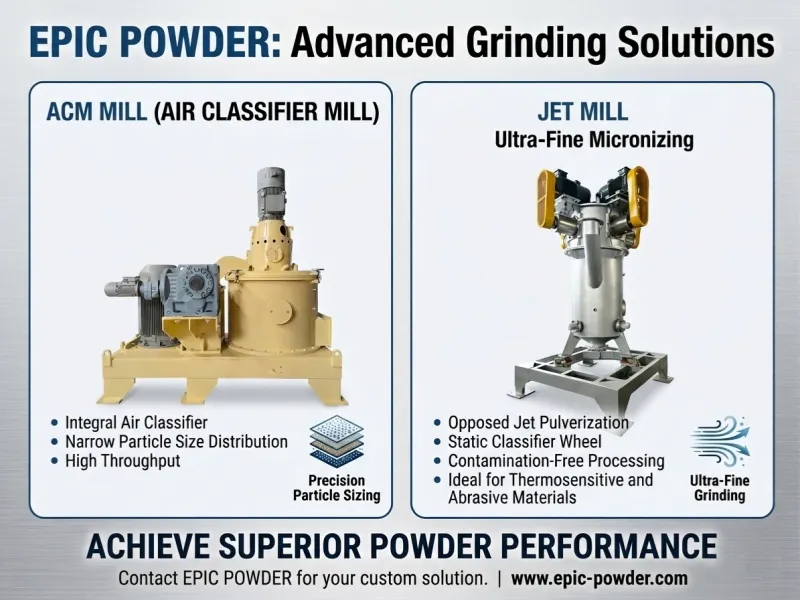
मुख्य परिचालन सिद्धांत: यांत्रिक प्रभाव वर्गीकरण बनाम वायुगतिकीय स्व-पीसने की प्रक्रिया
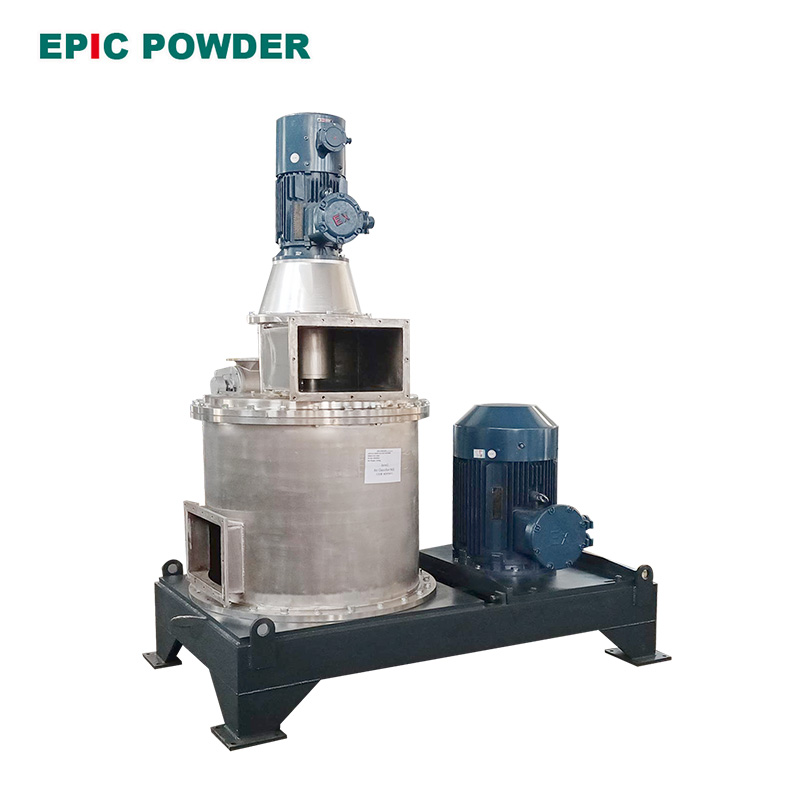
एसीएम मिलएकीकृत यांत्रिक क्रशिंग और आंतरिक वर्गीकरण
एसीएम मिल, जिसका पूरा नाम एयर क्लासिफिकेशन मिल है, एक एकीकृत उपकरण है जो उच्च गति वाली यांत्रिक प्रभाव पिसाई को गतिशील वायु वर्गीकरण के साथ जोड़ता है। इसका मूल सिद्धांत "एक साथ पिसाई और वर्गीकरण" है। इस प्रक्रिया में तीन चरण होते हैं:
पहला:पदार्थ एक नियंत्रित फीडिंग सिस्टम के माध्यम से ग्राइंडिंग चैंबर में प्रवेश करता है। तेज़ गति से घूमने वाला रोटर, हथौड़े या ग्राइंडिंग डिस्क शक्तिशाली प्रभाव, कतरन और घर्षण बल उत्पन्न करते हैं, जिससे पदार्थ बारीक कणों में टूट जाता है।
दूसरा: पिसी हुई सामग्री प्रेरित ड्राफ्ट पंखे के ऋणात्मक दाब वायु प्रवाह के कारण वर्गीकरण क्षेत्र तक पहुँचती है। आवृत्ति-नियंत्रित वर्गीकरण पहिया उच्च गति से घूमता है। अपकेंद्री बल और वायु प्रवाह प्रतिरोध के बीच संतुलन से मोटे और महीन कणों का सटीक पृथक्करण सुनिश्चित होता है।
अंत में: आवश्यक महीनता वाला बारीक पाउडर वर्गीकरण चक्र से गुजरता है और साइक्लोन सेपरेटर और डस्ट कलेक्टर द्वारा एकत्रित किया जाता है। मोटे कणों को द्वितीयक पिसाई के लिए वापस क्रशिंग चैंबर में फेंक दिया जाता है, जिससे एक बंद-लूप क्रशिंग प्रणाली बनती है।
इस डिज़ाइन की मदद से एसीएम मिल पारंपरिक यांत्रिक मिलों की कमियों को दूर कर सकती है, जिनमें "पहले पीसना, फिर वर्गीकरण करना" की प्रक्रिया अपनाई जाती है, जिससे अत्यधिक पीसने से बचा जा सकता है। इसके अलावा, वर्गीकरण व्हील की गति और पंखे के वायु प्रवाह को समायोजित करके तैयार उत्पाद की महीनता को आसानी से नियंत्रित किया जा सकता है। किसी अतिरिक्त वर्गीकरण उपकरण की आवश्यकता नहीं होती, जिसके परिणामस्वरूप एक कॉम्पैक्ट संरचना और एक सुव्यवस्थित प्रक्रिया संभव होती है।
एयर जेट मिल: सुपरसोनिक वायु प्रवाह द्वारा संचालित कणों की स्व-टकराव वाली पिसाई
एयर जेट मिल, जिसे एयर जेट पल्वराइज़र भी कहा जाता है, एक शुद्ध एयर-जेट ग्राइंडिंग उपकरण है जो संपीड़ित हवा या अतिगर्म भाप से संचालित होता है। इसका मूल सिद्धांत "सामग्री का स्वतः पीसना" है।
इसका कार्य सिद्धांत इस प्रकार है:
शुद्ध और शुष्क संपीड़ित हवा को लावल नोजल के माध्यम से 300-500 मीटर/सेकंड की सुपरसोनिक गति से त्वरित किया जाता है और चूर्णीकरण कक्ष में प्रक्षेपित किया जाता है, जिससे पदार्थ द्रवीकृत हो जाता है। उच्च गति वाले वायु प्रवाह अभिसरण क्षेत्र में, त्वरित पदार्थ के कण आपस में टकराते हैं, रगड़ते हैं और एक दूसरे को काटते हैं, जिससे अतिसूक्ष्म चूर्णीकरण प्राप्त होता है। फिर चूर्णित पदार्थ वायु प्रवाह के साथ वर्गीकरण क्षेत्र में प्रवेश करता है। वर्गीकरण पहिया योग्य महीन पाउडर को अलग करता है और एकत्रित करता है। मोटे कण आगे के चूर्णीकरण के लिए वापस चूर्णीकरण क्षेत्र में गिर जाते हैं।
एयर जेट मिल का मुख्य लाभ यह है कि इसमें यांत्रिक पीसने वाले माध्यमों का कोई संपर्क नहीं होता। पीसने की प्रक्रिया यांत्रिक घटकों के बल के बजाय कणों की आपस में होने वाली टक्करों पर निर्भर करती है। इससे पाउडर की अधिकतम शुद्धता सुनिश्चित होती है, जो इसे उच्च कठोरता और उच्च शुद्धता की आवश्यकता वाले पदार्थों के प्रसंस्करण के लिए विशेष रूप से उपयुक्त बनाती है। यह सबमाइक्रोन या नैनोस्केल तक की अतिसूक्ष्म पिसाई कर सकती है।
एसीएम जेट मिल के प्रमुख प्रदर्शन मापदंडों की तुलना
प्रदर्शन मापदंड एसीएम मिलों और एयर-जेट मिलों के बीच अंतर करने के लिए सहज संकेतक के रूप में कार्य करते हैं। महीनता सीमा, ऊर्जा खपत, उत्पादन क्षमता, कण आकार नियंत्रण और सामग्री अनुकूलता के संदर्भ में दोनों प्रकार की मिलें काफी भिन्न होती हैं। ये अंतर सीधे उपकरण की अनुप्रयोग सीमाओं को निर्धारित करते हैं।
पिसाई की महीनता और कण आकार वितरण
एसीएम मिल:
इसकी महीनता सीमा D97 = 5–75 μm पर केंद्रित है, जबकि मुख्य अनुप्रयोग सीमा 10–45 μm है। यह अतिसूक्ष्म से महीन पाउडर प्रसंस्करण श्रेणी में आता है और अधिकांश निम्न से मध्यम श्रेणी के पाउडर अनुप्रयोगों की आवश्यकताओं को पूरा कर सकता है। इसका अंतर्निर्मित वर्गीकरण चक्र उच्च परिशुद्धता सुनिश्चित करता है, जिसके परिणामस्वरूप कण आकार का वितरण संकीर्ण होता है। कणों की आकृति एकसमान होती है, और महीन कणों का कोई स्पष्ट समूह नहीं दिखाई देता। यह उन स्थितियों के लिए उपयुक्त है जिनमें कण आकार की एकरूपता की उच्च आवश्यकता होती है।
एयर जेट मिल:
यह 1–10 μm के D97 मान के साथ महीनता की एक विस्तृत श्रृंखला प्रदान करता है। कुछ सामग्रियों के लिए, सबमाइक्रोन स्तर (0.5–1 μm) की पिसाई की जा सकती है, जिससे यह नैनो और अतिसूक्ष्म पाउडर प्रसंस्करण के लिए पसंदीदा उपकरण बन जाता है। यह चिकनी कण सतहों, उच्च प्रतिक्रियाशीलता और उत्कृष्ट फैलाव क्षमता के साथ एक संकीर्ण कण आकार वितरण उत्पन्न करता है। यह उच्च श्रेणी की सामग्रियों की अत्यधिक महीनता संबंधी आवश्यकताओं को पूरा करता है।
ऊर्जा खपत और परिचालन लागत
ऊर्जा की खपत दोनों प्रकार के उपकरणों के बीच सबसे महत्वपूर्ण अंतरों में से एक है। यह सीधे तौर पर कंपनी की उत्पादन लागत को प्रभावित करती है:
एसीएम मिल:
यह मुख्य रूप से यांत्रिक गतिज ऊर्जा द्वारा संचालित होता है, और इसकी ऊर्जा खपत 7.5 से 355 किलोवाट/टन तक होती है। इसमें कम ऊर्जा खपत होती है, सामग्री की कठोरता में मामूली उतार-चढ़ाव से यह अप्रभावित रहता है, और इसकी परिचालन लागत कम है। यह बड़े पैमाने पर निरंतर उत्पादन के लिए उपयुक्त है।
एयर जेट मिल:
उच्च दाब वाले वायु प्रवाह की गतिज ऊर्जा से संचालित होने के कारण, इसमें वायु संपीडन और ड्रायर जैसे सहायक उपकरणों की आवश्यकता होती है। ऊर्जा खपत 75 से 1,200 किलोवाट-घंटे/टन तक होती है। सामग्री की कठोरता बढ़ने और कणों का आकार घटने पर ऊर्जा खपत में तेजी से वृद्धि होती है, जिसके परिणामस्वरूप परिचालन लागत बढ़ जाती है।
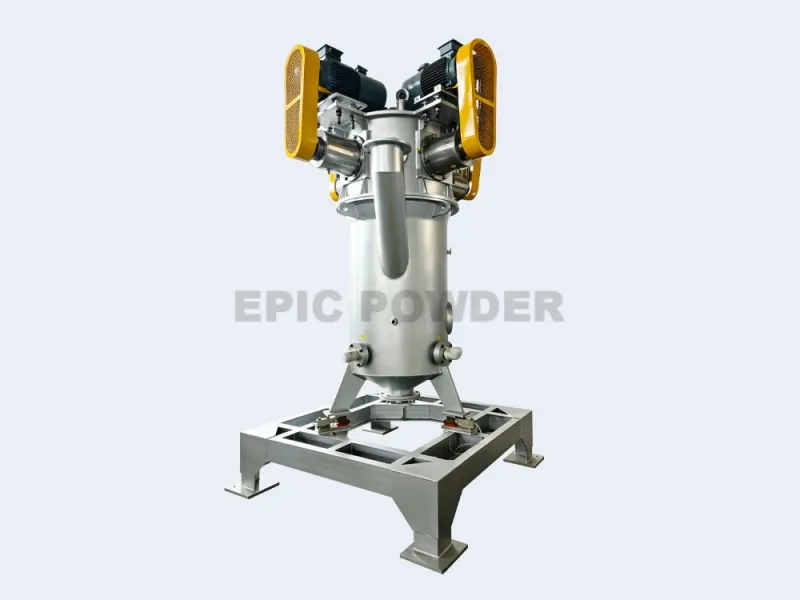
सामग्री अनुकूलता
यह उपकरण कैल्शियम कार्बोनेट, टैल्क, काओलिन, स्टार्च, रेजिन, पिगमेंट, कीटनाशक और खाद्य योजकों जैसे भंगुर, कम घर्षण वाले पदार्थों के लिए उपयुक्त है, जिनकी मोह्स कठोरता 7 या उससे कम होती है। चिपचिपे या ऊष्मा-संवेदनशील पदार्थों के लिए, ठंडी हवा प्रणाली के माध्यम से अनुकूलन संभव है। हालांकि, यह उच्च कठोरता और उच्च घर्षण वाले पदार्थों (जैसे कोरंडम या सिलिकॉन कार्बाइड) के लिए उपयुक्त नहीं है, क्योंकि ये यांत्रिक घटकों पर घिसाव उत्पन्न कर सकते हैं।
एयर जेट मिल:
यह मशीन विभिन्न सामग्रियों के साथ काम करने में बेहद सक्षम है और मोह्स कठोरता के मामले में 1 से 9 तक की सामग्रियों को संसाधित कर सकती है। यह नरम सामग्रियों (ग्रेफाइट, कार्बन ब्लैक) से लेकर अति-कठोर सामग्रियों (सिलिकॉन कार्बाइड, ज़िरकोनिया, डायमंड माइक्रोपाउडर) तक सभी प्रकार की सामग्रियों को संभाल सकती है। यह विशेष रूप से उन सामग्रियों के लिए उपयुक्त है जिनमें उच्च शुद्धता और धातु संदूषण से मुक्ति की आवश्यकता होती है (औषधीय कच्चा माल, बैटरी सामग्री, इलेक्ट्रॉनिक सिरेमिक)। यांत्रिक संपर्क न होने के कारण, घिसाव न्यूनतम होता है।
तापमान नियंत्रण और संदूषण के जोखिम
एसीएम मिल:
यांत्रिक पिसाई से घर्षण के कारण थोड़ी मात्रा में ऊष्मा उत्पन्न होती है, जो उच्च मात्रा में वायु प्रवाह द्वारा शीघ्रता से क्षीण हो जाती है। पिसाई कक्ष का तापमान 60°C से नीचे बनाए रखा जाता है, जिससे यह सामान्य ऊष्मा-संवेदनशील पदार्थों के लिए उपयुक्त है। हालांकि, यांत्रिक घटकों में घिसाव के कारण धातु की थोड़ी मात्रा से संदूषण हो सकता है। इसलिए, अति-शुद्ध पदार्थों के लिए सिरेमिक परत आवश्यक है।
एयर जेट मिल:
वायु प्रवाह के विस्तार से ऊष्मा अवशोषित हो जाती है, जिससे पिसाई कक्ष का तापमान 50°C से नीचे बना रहता है। यह कम तापमान वाली पिसाई प्रक्रिया ऊष्मा-संवेदनशील पदार्थों (जैसे फ्लेवरिंग, विटामिन और जैव-औषधीय पदार्थ) की क्रिस्टलीय संरचना और सक्रियता को पूरी तरह से संरक्षित रखती है। यांत्रिक पिसाई संपर्क न होने के कारण, धातु संदूषण को 50 ppm से नीचे नियंत्रित किया जा सकता है, जो उच्च शुद्धता वाले पदार्थों की आवश्यकताओं को पूरा करता है।
संरचनात्मक डिजाइन और रखरखाव: सरल और सुगठित बनाम जटिल प्रणालियाँ
एसीएम मिल:
कम जगह घेरने वाली कॉम्पैक्ट संरचना। इसमें एक ग्राइंडिंग यूनिट, क्लासिफायर व्हील, फीडिंग सिस्टम, साइक्लोन सेपरेटर, डस्ट कलेक्टर और इंड्यूस्ड ड्राफ्ट फैन शामिल हैं। इसमें किसी उच्च दबाव वाले सहायक उपकरण की आवश्यकता नहीं होती, जिससे इंस्टॉलेशन और कमीशनिंग सरल हो जाती है। यांत्रिक घटक (रोटर, हैमर, क्लासिफायर व्हील) घिसने वाले पुर्जे हैं जिन्हें आसानी से बदला जा सकता है, जिसके परिणामस्वरूप रखरखाव लागत कम होती है। नियमित रखरखाव में केवल घटकों के घिसाव और धूल हटाने की आवधिक जांच शामिल है, और इसका परिचालन स्तर कम है जो सामान्य ऑपरेटरों के लिए उपयुक्त है।
एयर जेट मिल:
यह प्रणाली जटिल है। पीसने वाली इकाई, वर्गीकरण प्रणाली और संग्रहण प्रणाली के अलावा, इसमें एक वायु कंप्रेसर, वायु संग्रहण टैंक और सुखाने के उपकरण भी लगे होने चाहिए। पाइपिंग लेआउट जटिल है, जगह बड़ी है, और स्थापना एवं चालू करने के लिए पेशेवर कर्मियों की आवश्यकता होती है। इसमें कोई यांत्रिक घिसाव वाले पुर्जे नहीं हैं, और मुख्य इकाई पर घिसाव न्यूनतम है। हालांकि, सहायक उपकरणों (वायु कंप्रेसर, नोजल) को नियमित रखरखाव की आवश्यकता होती है। रखरखाव लागत और तकनीकी आवश्यकताएं अपेक्षाकृत अधिक हैं, और संचालन टीम के पास एक निश्चित स्तर की पेशेवर विशेषज्ञता होनी चाहिए।
एसीएम और जेट मिल उद्योग अनुप्रयोग: विविध आवश्यकताओं को सटीक रूप से पूरा करना
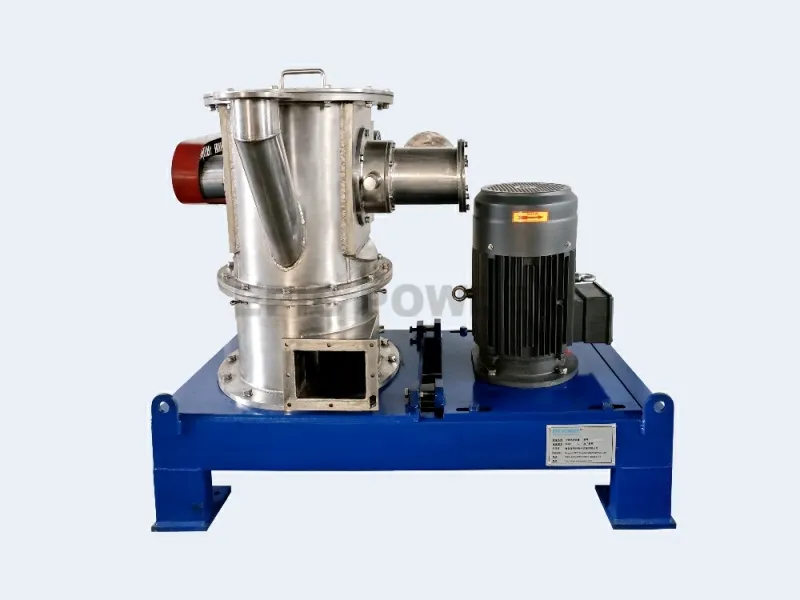
एसीएम मिलों के मुख्यधारा अनुप्रयोग
- अधात्विक खनिज प्रसंस्करण: पारंपरिक अतिसूक्ष्म पाउडर जैसे कि भारी कैल्शियम कार्बोनेट, हल्का कैल्शियम कार्बोनेट, टैल्क, काओलिन और वोलास्टोनाइट। महीनता की आवश्यकता 325 से 2,500 मेश तक होती है, जिसमें कम लागत और बड़े पैमाने पर उत्पादन पर ध्यान केंद्रित किया जाता है।
- रसायन उद्योग: पिगमेंट, डाई, अग्निरोधी पदार्थ, रेजिन, सक्रिय फार्मास्युटिकल सामग्री (एपीआई) और रबर एडिटिव्स। इन अनुप्रयोगों के लिए उच्च कण आकार एकरूपता की आवश्यकता होती है, लेकिन अत्यधिक सूक्ष्मता अनिवार्य नहीं है।
- खाद्य एवं औषधियाँ: पिसी हुई चीनी, स्टार्च, पारंपरिक चीनी जड़ी-बूटियाँ, खाद्य योजक, औषधीय सहायक पदार्थ आदि। ये मध्यम से कम कठोरता और ताप संवेदनशीलता वाले पदार्थ हैं, जिनके लिए उत्पादन क्षमता और लागत के बीच संतुलन की आवश्यकता होती है।
- नई सामग्रियां: पाउडर कोटिंग्स, प्लास्टिक फिलर्स, बैटरी सामग्री के अग्रदूत आदि। इनमें मध्यम श्रेणी की पाउडर प्रसंस्करण प्रक्रिया शामिल है जहां लागत-प्रभावशीलता को प्राथमिकता दी जाती है।
एयर जेट मिलों के लिए मुख्य अनुप्रयोग परिदृश्य
- उच्च श्रेणी की नई सामग्रियां: लिथियम बैटरी के कैथोड और एनोड सामग्री, इलेक्ट्रॉनिक सिरेमिक, फॉस्फोरस, कार्बन नैनोट्यूब, ग्राफीन आदि। इन सभी के लिए अति सूक्ष्म कण आकार, उच्च शुद्धता और उच्च फैलाव की आवश्यकता होती है।
- औषधियाँ और खाद्य पदार्थ: उच्च गुणवत्ता वाले सक्रिय फार्मास्युटिकल तत्व (एपीआई), एंटीबायोटिक्स, बायोफार्मास्युटिकल्स, दुर्लभ मसाले और स्वास्थ्य पूरक तत्व। इनमें धातु संदूषण से मुक्ति और कम तापमान पर प्रसंस्करण के मानकों का कड़ाई से पालन करना आवश्यक है।
- उच्च कठोरता वाले अपघर्षक: सिलिकॉन कार्बाइड, कोरंडम, ज़िरकोनिया, डायमंड माइक्रोपाउडर आदि। 7 या उससे अधिक की मोह्स कठोरता वाले इन पदार्थों को पारंपरिक यांत्रिक पिसाई द्वारा संसाधित नहीं किया जा सकता है।
- उच्च शुद्धता वाले खनिज: उच्च शुद्धता वाला क्वार्ट्ज, उच्च शुद्धता वाला एल्यूमिना, नैनो-कैल्शियम कार्बोनेट आदि। इनमें अशुद्धता की मात्रा और कण संरचना के लिए सबसे सख्त मानकों की आवश्यकता होती है।
उपकरण चयन के मूल सिद्धांत: आवश्यकताओं के आधार पर चयन करें, प्रदर्शन और लागत के बीच संतुलन बनाए रखें।
उपकरण का चयन करते समय, कंपनियों को आँख बंद करके उच्च श्रेणी के मॉडलों का पीछा नहीं करना चाहिए। इसके बजाय, उन्हें पाँच मुख्य कारकों पर विचार करते हुए अपनी आवश्यकताओं के अनुरूप उपकरणों का सावधानीपूर्वक चयन करना चाहिए: सामग्री की विशेषताएं, सूक्ष्मता की आवश्यकताएं, उत्पादन क्षमता, लागत बजट और शुद्धता मानक।
ऐसी परिस्थितियाँ जहाँ एसीएम मिलें ये पसंदीदा विकल्प हैं:
सामग्री की मोह्स कठोरता < 7; तैयार उत्पाद की महीनता D97 ≥ 10 μm। उच्च उत्पादन क्षमता की आवश्यकता (> 1 टन/घंटा); सीमित बजट। धातु संदूषण के लिए मध्यम आवश्यकताएँ (अति-शुद्ध अनुप्रयोगों के लिए नहीं); ऐसे उपकरण को प्राथमिकता दी जाएगी जिसका रखरखाव आसान हो और संचालन सरल हो।
वे परिस्थितियाँ जहाँ एयर जेट मिल को प्राथमिकता दी जाती है:
सामग्री की मोह्स कठोरता > 7; अंतिम उत्पाद की सूक्ष्मता D97 < 10 μm (सबमाइक्रोन स्तर)। धातु संदूषण न होना और कम तापमान पर पिसाई की आवश्यकता। छोटे बैच में उच्च मूल्यवर्धित उत्पादन; उच्च श्रेणी की सामग्रियों, फार्मास्यूटिकल्स और इलेक्ट्रॉनिक-ग्रेड पाउडर का प्रसंस्करण।
निष्कर्षपूरक, प्रतिस्थापन नहीं—सर्वोत्तम समाधान उचित मिलान में निहित हैं
एसीएम मिल और एयर जेट मिल एक दूसरे के विकल्प नहीं हैं। बल्कि, ये अतिसूक्ष्म पाउडर प्रसंस्करण के क्षेत्र में पूरक उपकरण हैं। कम ऊर्जा खपत, उच्च उत्पादन क्षमता, सरल संरचना और कम लागत जैसे मुख्य लाभों के साथ, एसीएम मिल मध्यम से उच्च श्रेणी के सूक्ष्म से अतिसूक्ष्म पाउडर प्रसंस्करण के बाजार में अग्रणी है। वहीं, अत्यधिक सूक्ष्मता, उच्च शुद्धता, कम तापमान पर पिसाई और विभिन्न सामग्रियों के साथ बेहतर तालमेल बिठाने की क्षमता के कारण, एयर जेट मिल अतिसूक्ष्म, उच्च शुद्धता और उच्च कठोरता वाले पाउडर प्रसंस्करण के क्षेत्र में अग्रणी है।
पाउडर प्रसंस्करण प्रौद्योगिकी में निरंतर प्रगति के मद्देनजर, दोनों प्रकार के उपकरणों का निरंतर अनुकूलन किया जा रहा है। एसीएम मिलें सिरेमिक लाइनिंग और उच्च परिशुद्धता वर्गीकरण पहियों के माध्यम से शुद्धता और महीनता को बढ़ाती हैं। एयर जेट मिलें ऊर्जा-बचत नोजल और बुद्धिमान नियंत्रण प्रणालियों के माध्यम से ऊर्जा खपत को कम करती हैं। अपनी उत्पादन आवश्यकताओं को स्पष्ट रूप से परिभाषित करके और सामग्री की विशेषताओं और लागत बजट पर विचार करके, कंपनियां सबसे उपयुक्त पीसने वाले उपकरण का चयन कर सकती हैं।
यह दृष्टिकोण उत्पादन दक्षता, उत्पाद की गुणवत्ता और आर्थिक लाभ को अधिकतम करता है।
भविष्य में, नई ऊर्जा, जैव चिकित्सा और इलेक्ट्रॉनिक सूचना जैसे उद्योगों के तीव्र विकास के साथ, पाउडर की आवश्यकताएं और भी सख्त होती जाएंगी। एसीएम मिल और एयर जेट मिल अपने-अपने लाभों का उपयोग करते हुए अतिसूक्ष्म पाउडर प्रसंस्करण प्रौद्योगिकी को उच्च दक्षता, बेहतर परिशुद्धता और पर्यावरण के अनुकूल प्रक्रियाओं की ओर निरंतर अग्रसर करेंगी, और पाउडर उद्योग के विकास के लिए आधारशिला बनेंगी।

पढ़ने के लिए धन्यवाद। आशा है मेरा लेख आपके लिए उपयोगी होगा। कृपया नीचे टिप्पणी छोड़ें। अधिक जानकारी के लिए आप ज़ेल्डा के ऑनलाइन ग्राहक प्रतिनिधि से भी संपर्क कर सकते हैं।
- के द्वारा प्रकाशित किया गया एमिली चेन
“