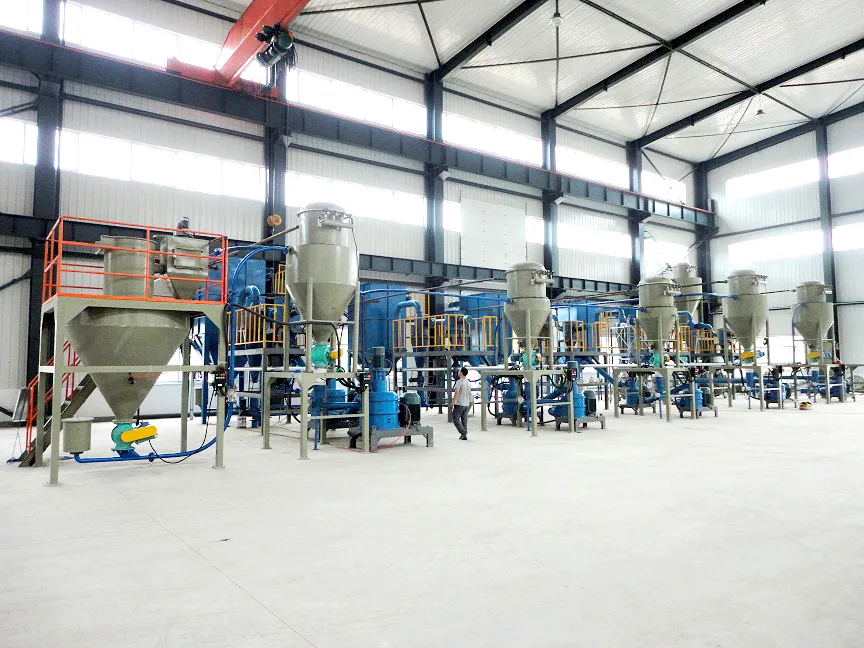
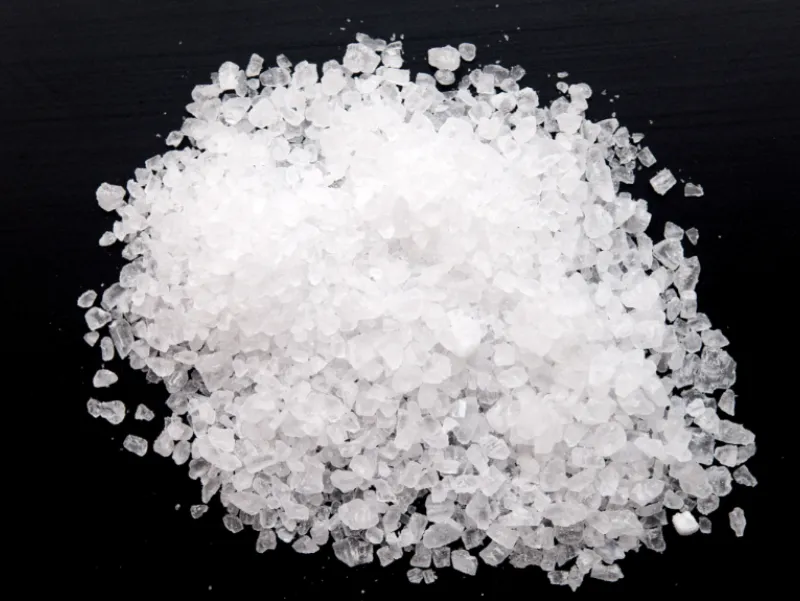
လျှပ်စစ်ယာဉ်များနှင့် ပြန်လည်ပြည့်ဖြိုးမြဲစွမ်းအင်သိုလှောင်မှုဆီသို့ ကမ္ဘာလုံးဆိုင်ရာအကူးအပြောင်းသည် ဘက်ထရီအဆင့် လီသီယမ်ကာဗွန်နိတ် (Li2CO3) ကို စက်မှုလုပ်ငန်းထောက်ပံ့ရေးကွင်းဆက်၏ အဓိကနေရာတွင် ထားရှိခဲ့သည်။ ကက်သုတ်ပစ္စည်းရှေ့ပြေးပစ္စည်းများ၏ တင်းကျပ်သောစံနှုန်းများနှင့် ကိုက်ညီစေရန် လီသီယမ်ကာဗွန်နိတ်ကို မြင့်မားသောသန့်စင်မှုနှင့် ကျဉ်းမြောင်းသော အမှုန်အရွယ်အစားဖြန့်ဖြူးမှု (PSD) ရှိသော အလွန်သေးငယ်သောအမှုန့်များအဖြစ် ပြုပြင်ရမည်။ ထုတ်လုပ်သူများအတွက် ရွေးချယ်မှုမှာ မကြာခဏဆိုသလို လေးလံသောလုပ်ငန်းနှစ်ခုဖြစ်သည့် လီသီယမ်ကာဗွန်နိတ်လေခွဲခြားစက် (ACM) နှင့် ဂျက်စက်တို့အပေါ် မူတည်သည်။ နှစ်ခုစလုံးသည် မိုက်ခရွန်အဆင့် အမှုန်အမွှားများကို ရရှိနိုင်သော်လည်း ၎င်းတို့၏ “ကုန်ကျစရိတ်သက်သာမှု” သည် ရိုးရှင်းသောနံပါတ်တစ်ခုမဟုတ်ပါ - ၎င်းသည် အရင်းအနှီးအသုံးစရိတ် (CAPEX)၊ လုပ်ငန်းလည်ပတ်စရိတ် (OPEX) နှင့် နောက်ဆုံးထုတ်ကုန်အရည်အသွေးတို့၏ ချိန်ခွင်လျှာဖြစ်သည်။
I. စံနှုန်းကို အဓိပ္ပာယ်ဖွင့်ဆိုခြင်း- “ဘက်ထရီအဆင့်” လိုအပ်ချက်
ပစ္စည်းကိရိယာများကို နှိုင်းယှဉ်ခြင်းမပြုမီ၊ ရည်ရွယ်ချက်ကို သတ်မှတ်ရပါမည်။ ဘက်ထရီအဆင့် လီသီယမ်ကာဗွန်နိတ်သည် ပုံမှန်အားဖြင့် အောက်ပါတို့ကို လိုအပ်သည်-
- တိကျသော အမှုန်အရွယ်အစား: ပုံမှန်အားဖြင့် 3μm မှ 6μm အကြားရှိ D50 ဖြစ်သည်။
- တင်းကျပ်သော သန့်ရှင်းစင်ကြယ်မှု- အနည်းဆုံးသံ (Fe)ညစ်ညမ်းမှုကို မကြာခဏ ဘီလီယံလျှင် အပိုင်း (ppb) ဖြင့် တိုင်းတာသည်။
- တသမတ်တည်းရှိမှု- sintering လုပ်ငန်းစဉ်တွင် တသမတ်တည်း ဓာတုဗေဒ ဓာတ်ပြုမှုကို သေချာစေရန်အတွက် ထက်မြက်သော PSD မျဉ်းကွေး။
II. လီသီယမ်ကာဗွန်နိတ် Air Classifier Mill (ACM): မြင့်မားသော စွမ်းဆောင်ရည်ရှိသော စက်ပိုင်းဆိုင်ရာ သက်ရောက်မှု
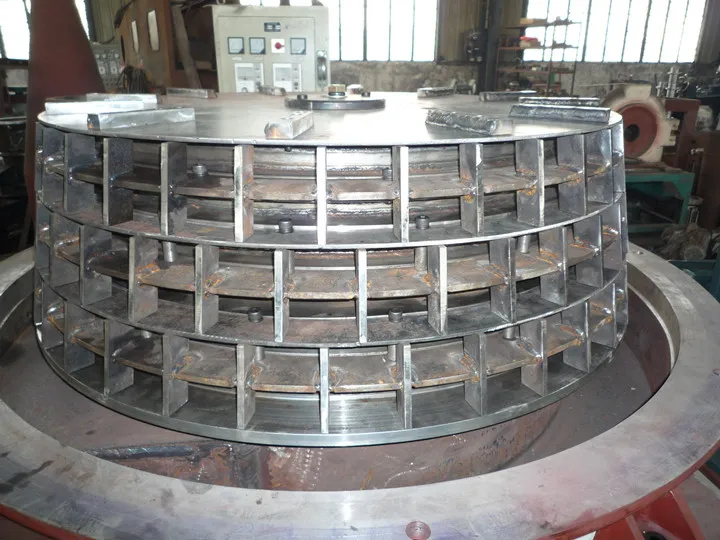
Air Classifier Mill သည် အတွင်းပိုင်း centrifugal classifier နှင့် ပေါင်းစပ်ထားသော စက်ပိုင်းဆိုင်ရာ impact grinder တစ်ခုဖြစ်သည်။
အလုပ်လုပ်သည့် ယန္တရား
ပစ္စည်းကို ကြိတ်ခွဲခန်းထဲသို့ ထည့်ပေးပြီးနောက် မြန်နှုန်းမြင့် ရိုတာများ (တူများ သို့မဟုတ် တံများ) ဖြင့် ရိုက်ခတ်သည်။ အမှုန်များကို လိုင်နာနှင့် တိုက်မိလျှင် အရှိန်မြှင့်ပြီး ကွဲအက်စေသည်။ ထို့နောက် အတွင်းပိုင်း အမျိုးအစားခွဲခြားဘီးသည် အမှုန်အမွှားများကို ရွေးချယ်ပြီး အရွယ်အစားကြီးမားသော အမှုန်များကို ကြိတ်ခွဲသည့်ဇုန်သို့ ပြန်ပို့သည်။
စီးပွားရေး အားသာချက်များ (“အားသာချက်များ”)
- စွမ်းအင်သုံးစွဲမှု နည်းပါးခြင်း- ဂျက်ကြိတ်ခွဲခြင်းနှင့် နှိုင်းယှဉ်ပါက ACM သည် ဖိသိပ်ထားသောလေထက် စက်ပိုင်းဆိုင်ရာအားကို အသုံးပြုသည်။ D50: 5μm အမှုန့်၏ တန်ချိန်တူကို ထုတ်လုပ်ရန်အတွက် ACM သည် လျှပ်စစ်ဓာတ်အား 30-50μm လျော့နည်းစွာ သုံးစွဲသည်။
- မြင့်မားသော စွမ်းဆောင်ရည်: ကြီးမားသောထုတ်လုပ်မှု (ဥပမာ တစ်နာရီလျှင် ၁-၅ တန်) အတွက် ACM သည် သိသိသာသာ ပိုမိုကျစ်လစ်ပြီး ထိရောက်မှုရှိသည်။
- ပေါင်းစပ်စနစ်: “ကြိတ်ခွဲခြင်း + အမျိုးအစားခွဲခြားခြင်း” 2-in-1 ဒီဇိုင်းသည် ထုတ်လုပ်မှုလိုင်းကို ရိုးရှင်းစေပြီး အရန်ပစ္စည်းများ၏ ကုန်ကျစရိတ်ကို လျှော့ချပေးသည်။
အပေးအယူများ
- အပူထုတ်လုပ်မှု: စက်ပိုင်းဆိုင်ရာ ထိခိုက်မှုက ပွတ်တိုက်မှုအပူကို ထုတ်ပေးပါသည်။ လေစီးဆင်းမှုသည် စနစ်ကို အေးမြစေရန် ကူညီပေးသော်လည်း အရည်ပျော်မှတ် အလွန်နည်းသော ပစ္စည်းများအတွက် မသင့်တော်ပါ (လီသီယမ်ကာဗွန်နိတ်သည် ယေဘုယျအားဖြင့် တည်ငြိမ်သော်လည်း)။
- ဟောင်းနွမ်းမှုနှင့် သန့်ရှင်းစင်ကြယ်မှု- ၎င်းတွင် မြန်နှုန်းမြင့် စက်ပိုင်းဆိုင်ရာ အစိတ်အပိုင်းများ ပါဝင်သောကြောင့် သတ္တုပွတ်တိုက်မိနိုင်ခြေ ရှိပါသည်။ ဘက်ထရီအဆင့် သန့်စင်မှုရရှိရန် ACM ကို ကြွေပြားများ (အလူမီနာ သို့မဟုတ် ဇာကိုးနီးယား) နှင့် ကြွေရိုတာများ တပ်ဆင်ထားရမည်ဖြစ်ပြီး ၎င်းသည် ကနဦး CAPEX ကို တိုးမြင့်စေပါသည်။
III. ဂျက်စက်- သန့်ရှင်းစင်ကြယ်မှုအတွက် ရွှေစံနှုန်း
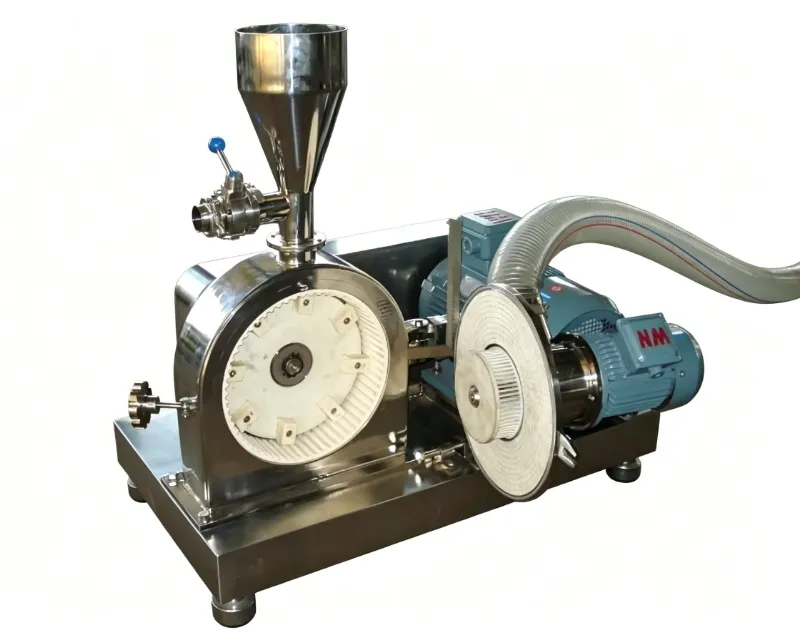
ဂျက်စက် (အထူးသဖြင့် Fluidized Bed Jet Mill) သည် အမှုန်မှ အမှုန်အထိ တိုက်မိစေရန် မြင့်မားသောဖိအားဓာတ်ငွေ့ကို အသုံးပြုသည်။
အလုပ်လုပ်သည့် ယန္တရား
ဖိသိပ်ထားသောလေ၏ စူပါဆောနစ်ဂျက်များကို ကြိတ်ခွဲသည့်အခန်းထဲသို့ ထိုးသွင်းသည်။ လီသီယမ်ကာဗွန်နိတ်အမှုန်များသည် ဤဂျက်များထဲတွင် နစ်မြုပ်နေပြီး မြင့်မားသောအမြန်နှုန်းဖြင့် တစ်ခုနှင့်တစ်ခု တိုက်မိကြသည်။ ထိခိုက်မှုဇုန်တွင် ရွေ့လျားနေသော ကြိတ်ခွဲသည့်အစိတ်အပိုင်းများ မရှိပါ။
၂။ စီးပွားရေး အားသာချက်များ (“အားသာချက်များ”)
- အလွန်မြင့်မားသော သန့်စင်မှု- အဓိကယန္တရားမှာ အမှုန်အမွှားချင်း တိုက်မိခြင်းဖြစ်သောကြောင့် စက်ကိုယ်တိုင်မှ ညစ်ညမ်းမှုအန္တရာယ်မှာ သုညနီးပါးဖြစ်သည်။ ဤသည်မှာ အဆင့်မြင့် ဘက်ထရီအဆင့် လီသီယမ်အတွက် "အလုံခြုံဆုံး" လမ်းကြောင်းဖြစ်သည်။
- အထူးကောင်းမွန်သော PSD: ဂျက်စက်များသည် ဈေးကွက်တွင် ပရီမီယံဈေးနှုန်းကို ရရှိနိုင်သည့် အကျဉ်းဆုံး အမှုန်အရွယ်အစား ဖြန့်ဖြူးမှုကို ထုတ်လုပ်ရာတွင် နာမည်ကြီးသည်။
- အပူချိန်မြင့်တက်မှုမရှိပါ- ဖိသိပ်ထားသောလေ ကျယ်ပြန့်လာခြင်းက အအေးခံသည့်အာနိသင်ကို ဖန်တီးပေးပြီး လီသီယမ်ကာဗွန်နိတ်၏ ဓာတုဂုဏ်သတ္တိများ မပြောင်းလဲဘဲ ရှိနေစေရန် သေချာစေသည်။
အပေးအယူများ
- မြင့်မားသော OPEX (စွမ်းအင်): အကြီးမားဆုံး အားနည်းချက်မှာ လေကွန်ပရက်ဆာအတွက် စွမ်းအင်လိုအပ်ချက် များပြားခြင်း ဖြစ်သည်။ ထုတ်ကုန်တစ်တန်လျှင် စွမ်းအင်ကုန်ကျစရိတ်သည် ACM ထက် ၂-၃ ဆ ပိုများနိုင်သည်။
- ရှုပ်ထွေးသော အခြေခံအဆောက်အအုံများ- ဂျက်စက်တစ်ခုသည် ကြီးမားသော လေဖိအားပေးစက်၊ လေသိုလှောင်ကန်များနှင့် စွမ်းဆောင်ရည်မြင့် စစ်ထုတ်စနစ်များ လိုအပ်ပြီး အသုံးအဆောင်ခန်း၏ footprint နှင့် CAPEX ကို တိုးမြင့်စေသည်။
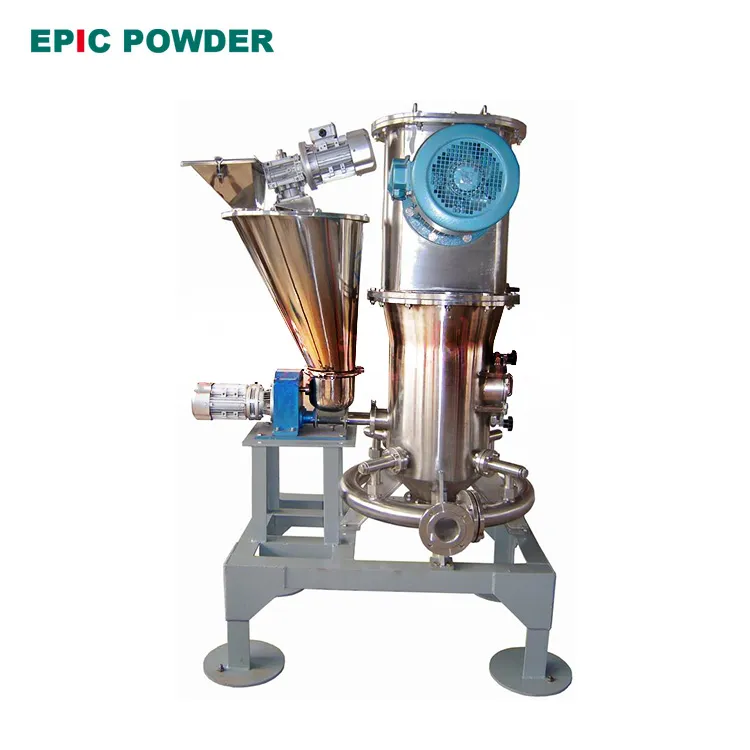
IV. တိုက်ရိုက်ကုန်ကျစရိတ်ထိရောက်မှုနှိုင်းယှဉ်ချက်
ဘယ်ဟာက ပိုကုန်ကျစရိတ်သက်သာလဲဆိုတာ ဆုံးဖြတ်ဖို့အတွက် ရှုထောင့်သုံးမျိုးနဲ့ ဒေတာကို ကြည့်ကြရအောင်။
အရင်းအနှီးအသုံးစရိတ် (CAPEX)
| ထူးခြားချက် | Air Classifier Mill (ကြွေထည်ဖြင့် ခင်းကျင်းထားသည်) | ဂျက်စက်စနစ် |
| အဓိကယူနစ်ကုန်ကျစရိတ် | အလယ်အလတ်မှ မြင့်မားသော | မြင့်သည်။ |
| အရန်ကုန်ကျစရိတ် | အောက်ပိုင်း (စံပန်ကာများ) | အလွန်မြင့်မားသည် (ကွန်ပရက်ဆာကြီးများ) |
| တပ်ဆင်ခြင်း | ရိုးရှင်းအောင်ပြုလုပ်ခြင်း | ရှုပ်ထွေးသော (ပိုက်လိုင်း/လေစနစ်များ) |
| ဆုံးဖြတ်ချက်- ACM တွင် ယေဘုယျအားဖြင့် စွမ်းရည်မြင့်လိုင်းများအတွက် စုစုပေါင်းစနစ် CAPEX နည်းပါးသည်။ |
လုပ်ငန်းလည်ပတ်စရိတ် (OPEX)
- ပါဝါ: ACM က အပြတ်အသတ် အနိုင်ရရှိပါတယ်။ ဘက်ထရီအဆင့် လီသီယမ်ကာဗွန်နိတ်အတွက် စွမ်းအင်ဟာ မကြာခဏဆိုသလို အကြီးမားဆုံး ထပ်တလဲလဲကုန်ကျစရိတ် ဖြစ်ပါတယ်။
- ပြုပြင်ထိန်းသိမ်းမှု ဂျက်စက်များတွင် ကြိတ်ခွဲသည့်ဇုန်တွင် ရွေ့လျားနေသော အစိတ်အပိုင်းများ နည်းပါးသောကြောင့် ဟာ့ဒ်ဝဲအစားထိုးမှုတစ်ခုနှင့်တစ်ခုကြား အချိန်ပိုကြာပါသည်။ သို့သော် ကြီးမားသော ဝက်အူဖိစက်၏ ပြုပြင်ထိန်းသိမ်းမှုကုန်ကျစရိတ်မှာ သိသာထင်ရှားနိုင်ပါသည်။ဆုံးဖြတ်ချက်- ရေရှည်နှင့် ပမာဏများများ ထုတ်လုပ်မှုအတွက် ACM သည် တစ်တန်လျှင် ကုန်ကျစရိတ် နည်းပါးသည်။
တန်ဖိုးမြှင့် (ထုတ်ကုန်အရည်အသွေး)
ACM မရောက်ရှိနိုင်သော PSD ကို ဈေးကွက်က အလွန်တင်းကျပ်စွာ တောင်းဆိုပါက၊ Jet Mill သည် ရောင်းချနိုင်သော ထုတ်ကုန်တစ်ခု ထုတ်လုပ်ရန် တစ်ခုတည်းသော နည်းလမ်းဖြစ်သောကြောင့် ပိုမို “ကုန်ကျစရိတ်သက်သာ” လာပါသည်။ သို့သော် ခေတ်မီ မြန်နှုန်းမြင့် ACM များ (ဥပမာ Epic Powder MJW စီးရီး) သည် ကွာဟချက်ကို သိသိသာသာ ပိတ်လိုက်ပြီး D50: 3μm ကို ရရှိခဲ့ကာ အလွန်ကောင်းမွန်သော တသမတ်တည်းမှုဖြင့် ရရှိထားသည်။
V. သင့်ရဲ့ ထုတ်လုပ်မှု စကေးအပေါ် အခြေခံပြီး ရွေးချယ်ခြင်း
အခြေအနေ A: အကြီးစား မူလလုပ်ဆောင်မှု
သင်သည် ဆားရည် သို့မဟုတ် စပိုဒူမင်းမှ လီသီယမ်ကာဗွန်နိတ်ကို တစ်နှစ်လျှင် တန်ချိန် ၂၀၀၀ သို့မဟုတ် ထို့ထက်ပို၍ စီမံဆောင်ရွက်နေပါက Air Classifier Mill သည် ပိုမိုကုန်ကျစရိတ်သက်သာသော ရွေးချယ်မှုဖြစ်သည်။ ၅ နှစ်အတွင်း စုပေါင်းစွမ်းအင်ချွေတာမှုသည် စက်၏ ကနဦးကုန်ကျစရိတ်ထက် မကြာခဏ ကျော်လွန်သွားလေ့ရှိသည်။
အခြေအနေ B: အဆင့်မြင့် အထူးကတ်သိုဒ် ထောက်ပံ့မှု
အထူးပြု ဘက်ထရီအဆင့် အသုံးချမှုများအတွက် “Zero-Iron” နှင့် အလွန်ကျဉ်းမြောင်းသော PSD မျဉ်းကွေး လိုအပ်သော niche client တစ်ခုကို ထောက်ပံ့ပေးနေပါက Jet Mill သည် အလုံခြုံဆုံး ရင်းနှီးမြှုပ်နှံမှုဖြစ်သည်။ ၎င်းသည် မသန့်စင်မှု သို့မဟုတ် အရွယ်အစားကြီးမားသော အမှုန်များကြောင့် ငြင်းပယ်ခံရသည့် အသုတ်များ၏ အန္တရာယ်ကို လျှော့ချပေးသည်။
VI. ခေတ်မီဖြေရှင်းချက်- ကြွေဖြင့် အကောင်းဆုံးဖြစ်အောင်ပြုလုပ်ထားသော ACM
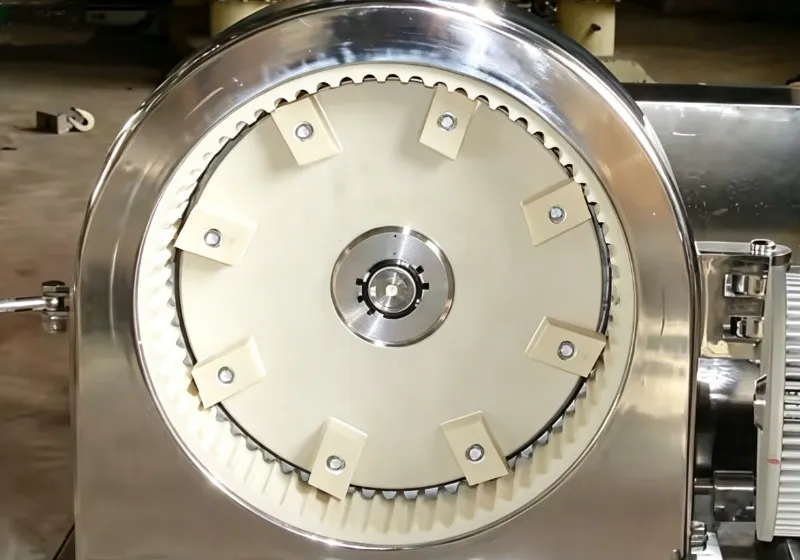
“သန့်ရှင်းမှုနှင့် စွမ်းအင်” ပဟေဠိကို ဖြေရှင်းရန်အတွက် Epic Powder ကဲ့သို့သော ကုမ္ပဏီများသည် အထူးပြု Ceramic-Lined Air Classifier Mills များကို တီထွင်ခဲ့ကြသည်။ ထိတွေ့မှု အစိတ်အပိုင်းများအားလုံး—တူများ၊ liners များနှင့် classifier ဘီးများ—ကို နည်းပညာဆိုင်ရာ ကြွေထည်များဖြင့် အစားထိုးခြင်းဖြင့် ACM သည် ယခုအခါ ဂျက်စက်၏ သန့်ရှင်းစင်ကြယ်မှုဖြင့် ဘက်ထရီအဆင့် လီသီယမ်ကာဗွန်နိတ်ကို စက်ပိုင်းဆိုင်ရာ စက်ရုံ၏ စွမ်းအင်ကုန်ကျစရိတ်ဖြင့် ထုတ်လုပ်နိုင်ပါပြီ။
နိဂုံး
Air Classifier Mill ဒါမှမဟုတ် Jet Mill က ပိုကုန်ကျစရိတ်သက်သာလား။
ဘက်ထရီအဆင့်စံနှုန်းများကို မထိခိုက်စေဘဲ လည်ပတ်မှုကုန်ကျစရိတ်များကို လျှော့ချခြင်းနှင့် အမြင့်ဆုံးထုတ်လုပ်မှုပမာဏကို ရရှိရန် သင့်ဦးစားပေးဖြစ်ပါက Air Classifier Mill (အထူးသဖြင့် ကြွေထည်ဖြင့်ကာကွယ်ထားသော မော်ဒယ်များ) သည် ပိုမိုကောင်းမွန်သော စီးပွားရေးရွေးချယ်မှုဖြစ်သည်။ ၎င်းသည် ၎င်း၏ စွမ်းအင်ခြေရာကို သိသိသာသာ နည်းပါးစေသောကြောင့် ရင်းနှီးမြှုပ်နှံမှုအပေါ် ပြန်ရငွေ (ROI) ကို ပိုမိုမြန်ဆန်စွာ ပေးဆောင်ပါသည်။
သို့သော်၊ သင့်ဦးစားပေးမှာ လုံးဝသန့်ရှင်းစင်ကြယ်မှုနှင့် ပရီမီယံမြင့်ဈေးကွက်များအတွက် အကျဉ်းဆုံး PSD ဖြစ်ပါက၊ Jet Mill သည် ၎င်း၏ စွမ်းအင်စားသုံးမှု မြင့်မားသော်လည်း နည်းပညာဆိုင်ရာ ရွှေစံနှုန်းအဖြစ် ရှိနေဆဲဖြစ်သည်။
ခေတ်မီ လီသီယမ်ကာဗွန်နိတ် ထုတ်လုပ်မှုလိုင်းအများစုအတွက်၊ စက်ပိုင်းဆိုင်ရာ ကြိတ်ခွဲခြင်းနည်းပညာသည် ယခုအခါ ပါဝါကုန်ကျစရိတ်၏ အစိတ်အပိုင်းအနည်းငယ်ဖြင့် ဘက်ထရီတော်လှန်ရေးအတွက် လိုအပ်သော တိကျမှုကို ပေးစွမ်းနိုင်သောကြောင့်၊ လမ်းကြောင်းသည် Air Classifier Mill သို့ ပြောင်းလဲနေပါသည်။

"ဖတ်ရှုပေးတဲ့အတွက် ကျေးဇူးတင်ပါတယ်။ ကျွန်မရဲ့ဆောင်းပါးက အထောက်အကူဖြစ်မယ်လို့ မျှော်လင့်ပါတယ်။ အောက်မှာ မှတ်ချက်ရေးခဲ့ပေးပါ။ နောက်ထပ်မေးမြန်းစုံစမ်းလိုပါက Zelda အွန်လိုင်းဖောက်သည်ကိုယ်စားလှယ်ကိုလည်း ဆက်သွယ်နိုင်ပါတယ်။"
— တင်သူ အမ်မလီ ချန်