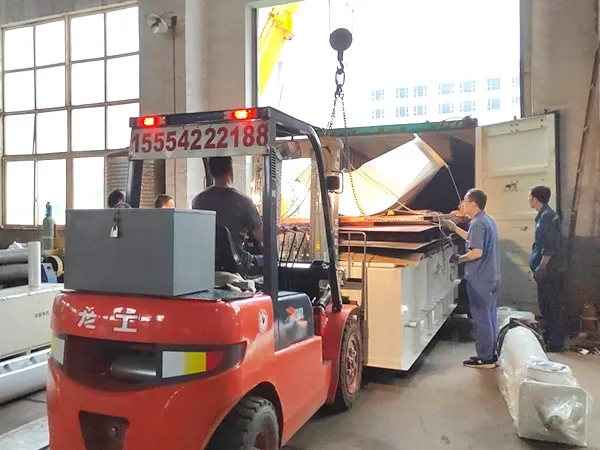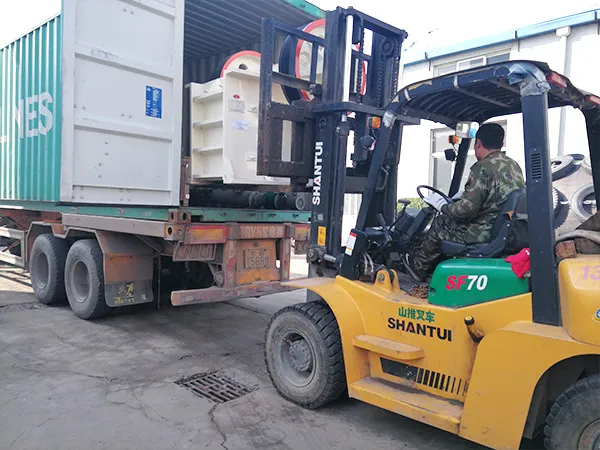
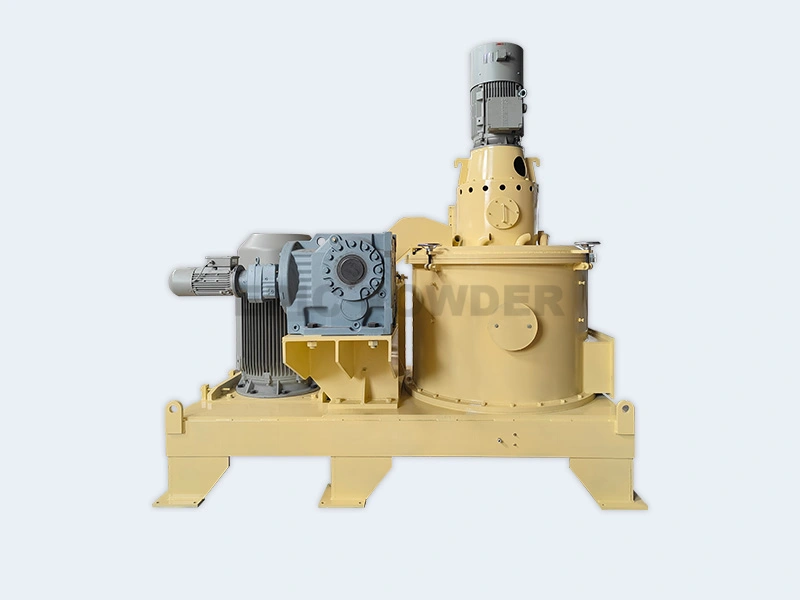
Nel campo della lavorazione industriale delle polveri, Mulino di classificazione ad aria (ACM) È diventato un dispositivo di punta per la lavorazione di materiali duri, fragili e di media durezza grazie al suo esclusivo design integrato di macinazione e classificazione. Combinando l'impatto meccanico ad alta velocità con una precisa classificazione ad aria, consente una macinazione ultrafine efficiente, controllando con precisione la distribuzione granulometrica. Trova ampio impiego nei settori chimico, farmaceutico, alimentare, dei materiali per le nuove energie, minerario, della ceramica avanzata e in molti altri. Questo articolo fornisce una panoramica sistematica, illustrando il principio di funzionamento, i principali vantaggi, le linee guida per la selezione e le applicazioni pratiche.
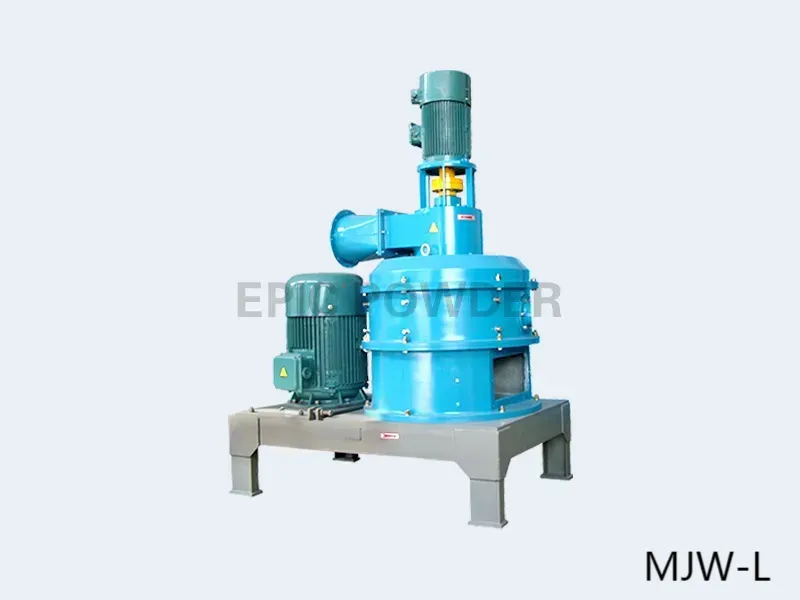
I. Principio di funzionamento fondamentale: la perfetta combinazione di rettifica a impatto e classificazione dinamica
Il mulino di classificazione ad aria funziona come un sistema a circolazione interna continua, costituito da due stadi principali:
Rettifica a impatto Palcoscenico
Il materiale viene alimentato uniformemente nella camera di macinazione tramite un alimentatore a vite o un sistema di trasporto pneumatico. Il rotore rotante ad alta velocità (tipicamente 3000-8000 giri/min) aziona martelli, perni o lame che imprimono un impatto intenso sul materiale. Allo stesso tempo, le particelle collidono violentemente con il rivestimento, la piastra dentata e tra loro. Sotto l'effetto combinato di forze d'impatto, di taglio e di attrito, il materiale viene rapidamente frantumato in particelle fini. Questa fase è particolarmente efficace per i materiali fragili con durezza Mohs compresa tra 3 e 7.
Fase di classificazione dinamica
Il materiale macinato viene trasportato dal flusso d'aria ascendente nella zona di classificazione. La ruota di classificazione rotante ad alta velocità genera una forte forza centrifuga. Solo le particelle più piccole della granulometria impostata riescono a vincere questa forza centrifuga e a passare attraverso la ruota di classificazione con il flusso d'aria, entrando nel sistema di raccolta (ciclone + filtro a maniche pulsate). Le particelle più grossolane vengono respinte nella camera di macinazione per un'ulteriore macinazione a impatto. Questo meccanismo di circolazione interna "macinazione-classificazione-rimacinazione" previene efficacemente la macinazione eccessiva e garantisce una distribuzione granulometrica ristretta e uniforme.
Il fulcro della tecnologia risiede nel preciso coordinamento tra la velocità della ruota del classificatore e il volume del flusso d'aria, creando un equilibrio dinamico tra forza centrifuga e forza di resistenza.
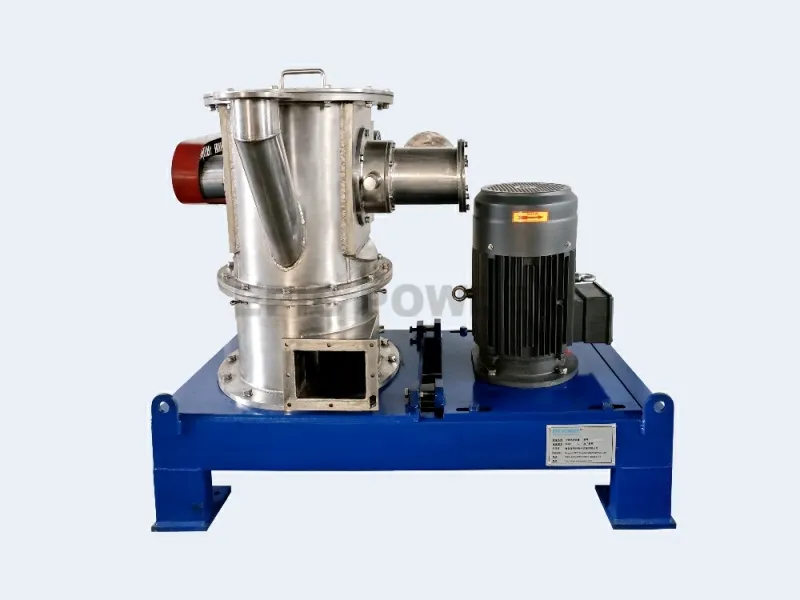
II. Quattro vantaggi principali del mulino a classificazione ad aria
Elevata efficienza e notevole risparmio energetico.
Rispetto ai tradizionali mulini a sfere o ai mulini Raymond, il mulino a classificazione ad aria può ottenere una macinazione in un solo passaggio, riducendo notevolmente le macinazioni successive non necessarie. macinazione ultra fine di materiali come carbonato di calcio, quarzo e talco, il consumo energetico unitario può essere tipicamente ridotto di 30%–50%, mentre l'efficienza di macinazione aumenta di 1,5–3 volte.
Dimensione delle particelle precisa e controllabile con distribuzione ristretta
Regolando la velocità della ruota del classificatore (tramite convertitore di frequenza) e il flusso d'aria del sistema, la dimensione finale delle particelle può essere controllata in modo flessibile all'interno 3–200 μmIndicatori chiave come D97, D90 e D50 possono essere gestiti con precisione. Ad esempio, le materie prime farmaceutiche spesso richiedono un D90 < 10 μm, mentre i materiali catodici per batterie al litio necessitano di un controllo rigoroso del D50 tra 5 e 15 μm senza danneggiare la struttura cristallina.
Elevata adattabilità e ampia compatibilità dei materiali.
Adatto a una vasta gamma di materiali: minerali fragili, resine, materie plastiche, prodotti alimentari (ad esempio, proteine del riso, fibre alimentari), medicinali tradizionali cinesi, materiali per batterie (LFP, catodi ternari, anodi al silicio-carbonio), ecc. Selezionando materiali appropriati per martello e rivestimento (acciaio ad alto contenuto di manganese, ceramica, carburo di tungsteno, ecc.), è in grado di lavorare materiali ad alta durezza, elevata purezza, infiammabili o esplosivi.
Elevata adattabilità e ampia compatibilità dei materiali.
Eccellenti prestazioni ambientali e controllo della temperatura.
Il sistema completamente chiuso riduce al minimo la fuoriuscita di polvere. Le camicie di raffreddamento opzionali o la protezione con gas inerte controllano efficacemente l'aumento di temperatura durante la molatura, rendendolo ideale per materiali termosensibili e soggetti a ossidazione.
III. Guida pratica alla selezione: tre considerazioni chiave + due fattori di abbinamento
1. Caratteristiche del materiale
- Durezza e abrasività: i materiali ad alta durezza richiedono configurazioni resistenti all'usura.
- Contenuto di umidità: i materiali con un contenuto di umidità >5% necessitano di sistemi di essiccazione o circolazione di aria calda.
- Appiccicosità e densità apparente: i materiali appiccicosi richiedono una progettazione ottimizzata della camera e del classificatore per evitare accumuli.
- Infiammabilità/esplosività: sono necessari motori antideflagranti e sistemi di protezione ad azoto.
2. Requisiti di capacità e granulometria
Unità di laboratorio/pilota: 5–100 kg/h; unità di scala industriale: 1–20 t/h. Si noti che macchine più grandi non sempre significano una maggiore capacità effettiva: camere sovradimensionate possono talvolta disturbare il flusso d'aria e ridurre la precisione della classificazione.
3. Manutenzione e intelligence
Si prediligono progetti modulari per la rapida sostituzione di martelli, ruote di classificazione e rivestimenti. Si raccomandano sistemi di monitoraggio intelligenti (vibrazioni, temperatura dei cuscinetti, corrente, ecc.) per la manutenzione predittiva e la riduzione al minimo dei tempi di fermo.
Ulteriori fattori di abbinamento:
- Integrazione perfetta con i processi di essiccazione a monte e di modifica della superficie/confezionamento a valle.
- Valutazione completa del consumo energetico, del rumore e dell'impatto ambientale.
IV. Casi applicativi tipici
- Nuovi materiali energetici: Macinazione e modifica del fosfato di ferro e litio (LFP) e dei materiali catodici ternari per migliorare la capacità e la durata del ciclo di vita della batteria.
- Prodotti chimici e minerali non metalliciCarbonato di calcio ultrafine (per materie plastiche, gomma, rivestimenti), polvere di silice, polvere di grafite, ecc.
- Alimenti e prodotti farmaceuticiMacinazione a bassa temperatura di polveri di erbe cinesi e proteine in polvere per preservare i principi attivi e migliorarne la biodisponibilità.
- Materiali avanzatiPreparazione di polveri ceramiche fini, materiali a base di terre rare e polveri per la stampa 3D.
V. Conclusione
Grazie alle sue eccezionali caratteristiche di elevata efficienza, precisione, flessibilità e rispetto per l'ambiente, il mulino a classificazione pneumatica è diventato un'apparecchiatura fondamentale e indispensabile nell'ingegneria moderna delle polveri. Con l'avanzare della produzione intelligente e degli obiettivi di "doppio carbonio", continuerà a evolversi in aree quali la gestione energetica, il monitoraggio online della granulometria e il controllo ottimizzato dall'intelligenza artificiale.
Se riscontrate difficoltà nella macinazione dei materiali, che si tratti di ottenere una granulometria più fine, una distribuzione più ristretta o un minore consumo energetico, non esitate a condividere le vostre esigenze specifiche. I nostri ingegneri specializzati possono fornirvi soluzioni personalizzate in base alle proprietà del materiale, alla granulometria desiderata e alle vostre necessità di capacità, aiutandovi a sfruttare al massimo ogni micron di polvere.

"Grazie per aver letto l'articolo. Spero vi sia stato utile. Lasciate un commento qui sotto. Per qualsiasi ulteriore domanda, potete anche contattare l'assistenza clienti online di Zelda."
— Pubblicato da Emily Chen