Фенольная смала (фенолфармальдэгідная смала) — гэта класічная тэрмарэактыўныя смалы, якія шырока выкарыстоўваюцца ў фрыкцыйных матэрыялах (тармазныя калодкі), шліфавальных колах, ліцейных сумесях, вогнетрывалых звязальных рэчывах і электронным капсуляванні. Для дасягнення пэўных патрабаванняў да эксплуатацыйных характарыстык, такіх як лепшая дысперсія ў кампазітах, больш высокая цякучасць пры ліцці або палепшаная рэакцыйная здольнасць у фрыкцыйных рэцэптурах, фенольную смалу часта неабходна перапрацоўваць у ультратонкі парашок (звычайна D50 < 10–20 мкм або нават субмікронны ў некаторых высакаякасных прымяненнях). Аднак падрыхтоўка такога ультратонкі парашок фенольнай смалы Механічнае шліфаванне ўяўляе сабой асноўную складанасць працэсу: дакладны і строгі кантроль тэмпературы. Калі не рабіць гэтага належным чынам, гэта можа непасрэдна прывесці да пашкоджання матэрыялу або значнага пагаршэння прадукцыйнасці. Гэта стала самым важным і складаным аспектам усяго працэсу ультратонкага шліфавання.

Тэрмічная адчувальнасць фенольнай смалы — асноўная прычына
Фенольныя смалы падзяляюцца на дзве асноўныя катэгорыі:
- тыпу Новалак (тэрмапластычны, кіслотна-каталізаваны, патрабуе ацвярджальніка)
- Тып Resol (тэрмарэактыўная, з шчолачным каталізатарам, самацвярдзеючая пад уздзеяннем цяпла)
Абодва тыпы праяўляюць відавочную тэрмічную рэакцыйную здольнасць, пачынаючы з адносна нізкіх тэмператур:
- Тэмпература размякчэння навалаку звычайна складае 70–100°C.
- Рэзол пачынае прыкметныя рэакцыі зшывання/полікандэнсацыі пры тэмпературы каля 120–150°C (часам нават ніжэй пры наяўнасці каталізатараў)
- Пры тэмпературы вышэй за 150–180°C адбываецца хуткае зацвярдзенне, якое суправаджаецца вызваленнем малых малекул (вады, фармальдэгіду і г.д.)
Падчас звыштонкага драбнення (асабліва пры выкарыстанні механічных метадаў, такіх як струменевыя млыны, механічныя ўдарныя млыны або вібрацыйныя млыны) непазбежна назапашваюцца наступныя крыніцы цяпла:
- Сутыкненне і трэнне пры зруху паміж часціцамі і паміж часціцамі і мелючымі целам
- Ударнае цяпло ад высакахуткаснага ротара/статара
- Цеплыня сціску ў патоку паветра высокага ціску (у струменевых млынах)
Гэтых лакалізаваных або аб'ёмных павышэнняў тэмпературы цяжка пазбегнуць пры звычайным шліфаванні. Як толькі тэмпература матэрыялу перавышае ~60–80°C на працягу доўгага перыяду (або імгненна перавышае 100–120°C у лакальных гарачых кропках), узнікае некалькі сур'ёзных праблем.
Асноўныя наступствы дрэннага кантролю тэмпературы
(1) Заўчаснае зацвярдзенне / зшыванне
- Часцінкі парашка часткова зацвярдзеюць → губляюць тэрмапластычнасць → становяцца цвёрдымі і далікатнымі → іх цяжка далей здрабніць
- Зацвярдзелыя часціцы агламеруюцца → блакуюць класіфікуючую сістэму або сопла
- Канчатковы прадукт дэманструе неадпаведную малекулярную масу/размеркаванне → дрэнная цякучасць, нераўнамернае зацвярдзенне ў наступных ужываннях
(2) Агламерацыя і зліпанне часціц
- Лакальнае размякчэнне + нязначнае зшыванне → часціцы прыліпаюць адна да адной і да сценак абсталявання
- З'явы «злежвання» і «наліплення» вельмі распаўсюджаныя → значна зніжаюць эфектыўнасць памолу і выхад
- У цяжкіх выпадках млын спыняецца для ачысткі.
(3) Дэградацыя ўласцівасцей смалы
- Страта лятучых кампанентаў (свабодны фенол, свабодны альдэгід) → змены рэакцыйнай здольнасці і характарыстык зацвярдзення
- Пацямненне/пажаўценне → непрымальна для светлых колераў або тых, дзе важны знешні выгляд
- Зніжэнне растваральнасці/цякучасці пры наступным змешванні → уплывае на трэнне, цякучасць ліцця і г.д.
(4) Рызыкі бяспекі
- Назапашанае цяпло + дробны пыл + сляды фармальдэгіду → павышаная рызыка выбуху або раздражнення пылу
Чаму ультратонкае памол асабліва адчувальныя да тэмпературы?
Грубае памолванне (напрыклад, 100–500 мкм) выпрацоўвае менш цяпла на адзінку масы, а кароткі час знаходжання ў паверхні дазваляе натуральна рассейваць цяпло. Але ультратонкае памолванне патрабуе:
- Значна больш высокая ўдзельная энергаспажыванне (часта 100–1000 кВт·г/т або больш)
- Паўторныя цыклы / больш працяглы сукупны час знаходжання
- Меншы памер часціц → большая ўдзельная плошча паверхні → хутчэйшае паглынанне і больш жорсткае рассейванне цяпла
- Больш тонкі класіфікатар → вузейшы праход → лягчэйшы лакальны перагрэў
Гэтыя фактары ў геаметрычнай прагрэсіі ўскладняюць праблему кантролю тэмпературы.
Сучасныя распаўсюджаныя рашэнні і іх абмежаванні
| Метад | Прынцып астуджэння | Дасягальная тонкасць | Абмежаванні / Кошт |
|---|---|---|---|
| Нармальная тэмпература + моцнае знешняе астуджэнне | Паветраная/вадзяная кашуля + нізкая хуткасць падачы | ~20–50 мкм | Абмежавана, усё яшчэ лёгка перагрэцца лакальна |
| Нізкатэмпературнае шліфаванне халодным паветрам | сціснутае паветра ад -40°C да 0°C | ~10–30 мкм | Энергаёмістасць, усё яшчэ недастатковая для менш чым 10 мкм |
| Крыягеннае драбненне (вадкі азот) | -196°C ахалоджванне + астуджэнне | <10 мкм, нават субмікронныя | Найвышэйшы кошт, складанае абсталяванне, вялікае спажыванне азоту |
| Мокрае шліфаванне + сушка | Цяпло, якое выпрацоўваецца і паглынаецца вадкасцю | Вельмі добра, магчыма | Этап сушкі можа выклікаць другасную агламерацыю/зацвярдзенне |
У прамысловай практыцы крыягеннае драбненне з дапамогай вадкага азоту ў цяперашні час з'яўляецца найбольш надзейным метадам атрымання сапраўды ультратонкага парашка фенольнай смалы (асабліва <15 мкм). Аднак надзвычай высокі кошт вадкага азоту, патрабаванні да мадыфікацыі абсталявання і складанасць працэсу робяць яго недаступным для многіх звычайных прадуктаў.
Заключэнне
Кантроль тэмпературы з'яўляецца найбольшай праблемай пры ультратонкім драбненні фенольнай смалы, таму што:
- Сама смала мае ўмераную або высокую тэрмічную рэакцыйную здольнасць пры адносна нізкіх тэмпературах
- Ультратонкае шліфаванне - гэта працэс механічнага ўздзеяння з высокай удзельнай энергіяй і працяглым тэрмінам службы.
- Выпрацоўка цяпла непазбежная і сканцэнтраваная лакальна
- Нават нязначны перагрэў можа прывесці да незваротнага зацвярдзення, агламерацыі і пагаршэння прадукцыйнасці
Гэта супярэчнасць паміж «неабходнасцю драбнення больш дробных парод» і «невытрымліваннем нагрэву» прымушае вытворцаў выкарыстоўваць дарагія крыягенныя працэсы або прымаць больш грубыя прадукты з пагаршэннем прадукцыйнасці. Таму прарывы ў абсталяванні для драбнення (напрыклад, больш эфектыўныя канструкцыі цеплааддачы), аптымізацыя працэсаў або распрацоўка мадыфікаваных фенольных смол з нізкай рэакцыйнай здольнасцю спецыяльна для падрыхтоўкі ультратонкага парашка сталі важнымі напрамкамі даследаванняў у галіне.
Толькі сапрады вырашаючы праблему кантролю тэмпературы, можна эканамічна і стабільна вырабляць высакаякасныя ультратонкія парашкі фенольных смол, якія адпавядаюць усё больш строгім патрабаванням такіх галін, як высокапрадукцыйныя фрыкцыйныя матэрыялы, электронная ўпакоўка і перадавыя кампазіты.
Падобныя пытанні
Пытанне 1: Якая асноўная перавага ультратонкага памолу фенольнай смалы?
Адказ: Асноўнай перавагай ультратонкага памолу фенольных смал з'яўляецца павышэнне эфектыўнасці і паляпшэнне вынікаў апрацоўкі. Разбіваючы смалу на ультратонкія часціцы, звычайна з d90 каля 30 мкм, з дапамогай такіх інструментаў, як паветраны класіфікатар, матэрыял дасягае лепшай дысперсіі, рэакцыйнай здольнасці і аднастайнасці. Гэта прыводзіць да паляпшэння якасці прадукцыі і яе прадукцыйнасці ў такіх галінах, як пакрыцці, клеі і кампазіты.
Пытанне 2: Як эфектыўна рэалізаваць ультратонкае памол фенольнай смалы?
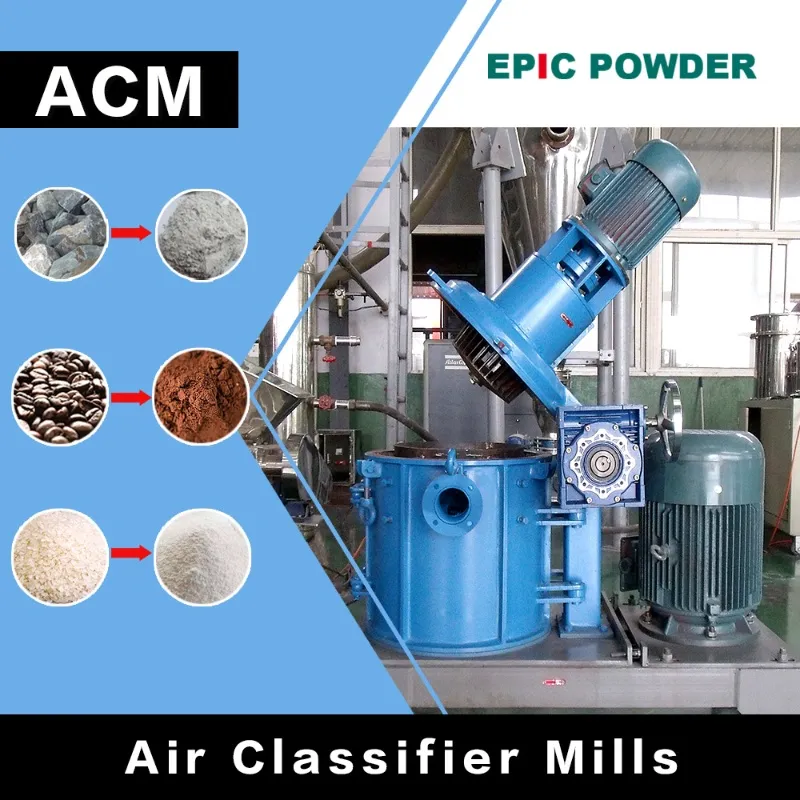
Адказ: Эфектыўная рэалізацыя патрабуе добрага разумення прынцыпаў драбнення і выкарыстоўванага абсталявання. Выкарыстанне перадавых млыноў, такіх як паветраны класіфікатар, забяспечвае дакладны кантроль памеру часціц і паслядоўны ультратонкі драбненне. Найлепшыя практыкі ўключаюць аптымізацыю параметраў драбнення для канкрэтнага тыпу смалы, маніторынг размеркавання часціц і абслугоўванне абсталявання, каб пазбегнуць забруджвання. Для атрымання практычнай інфармацыі, разгледзьце тэматычныя даследаванні па эфектыўнае ультратонкае драбненне падобных матэрыялаў можа быць вельмі карысным.

«Дзякуй за чытанне. Спадзяюся, мой артыкул будзе карысным. Калі ласка, пакіньце каментар ніжэй. Вы таксама можаце звязацца з прадстаўніком службы падтрымкі кліентаў Zelda онлайн, калі ў вас ёсць дадатковыя пытанні».
— Апублікавана Эмілі Чэн